
Understanding Composite Deck Price Per Square Foot Installed: A 2023 Guide for Businesses
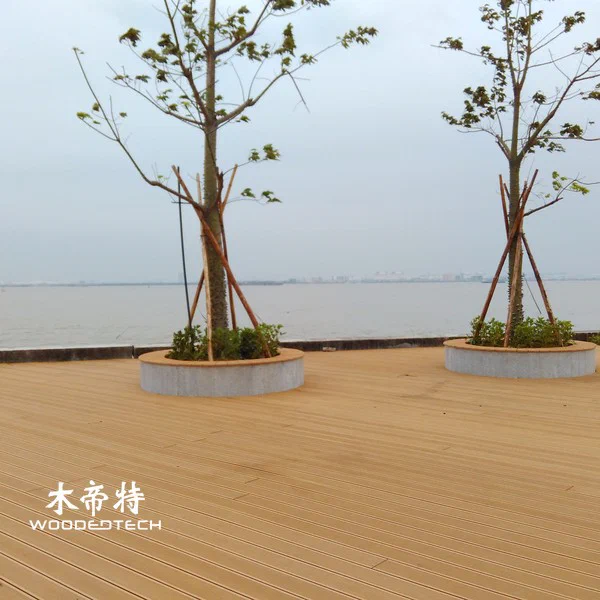
Professional manufacturers in the outdoor wood-plastic composite (WPC) sector organize mass production while focusing on enhancing efficiency, controlling costs, managing orders, and ensuring stable delivery for international customers. This guide delves into how these practices contribute to the pricing of composite decks per square foot installed.
Organizing Mass Production
Successful mass production in WPC manufacturing begins with a well-structured workflow. Factories implement lean manufacturing techniques that minimize waste and streamline processes. This includes:

- Optimized production lines to reduce cycle times
- Automated machinery for precision and speed
- Real-time monitoring systems to track production metrics
These strategies not only enhance output but also ensure consistent product quality, which is crucial for customer satisfaction.
Improving Efficiency
Efficiency is paramount in achieving competitive pricing. Manufacturers adopt various methods to boost productivity:
- Workforce Training: Skilled workers are essential for operating complex machinery and ensuring quality control. Regular training sessions keep employees updated on best practices and new technologies.
- Inventory Management: Just-in-time inventory systems minimize holding costs while ensuring materials are available when needed. This reduces downtime and enhances workflow.
- Process Optimization: Regular assessments of production processes help identify bottlenecks or areas for improvement. Implementing feedback loops allows for continuous enhancement.
These efforts result in lower production costs, which directly influences the price per square foot for composite decking.
Controlling Production Costs
Cost control is a critical aspect of production management. Manufacturers focus on several key areas:
- Material Sourcing: Establishing strong relationships with suppliers ensures access to quality materials at competitive prices. Bulk purchasing can lead to significant discounts.
- Energy Efficiency: Investing in energy-efficient machinery reduces utility costs, which can be a substantial part of overall production expenses.
- Waste Reduction: Adopting waste management practices, such as recycling scrap materials, helps lower costs and aligns with sustainability goals.
By keeping production costs low, manufacturers can offer more attractive pricing to international customers.
Managing Orders
Effective order management is essential for meeting customer expectations in a timely manner. Manufacturers use integrated software systems to:
- Track orders from receipt to fulfillment
- Manage production schedules based on order volume and deadlines
- Communicate with clients about order status and delivery timelines
These systems help ensure that production aligns with market demand, reducing the risk of overproduction or stockouts.
Ensuring Stable Delivery
Reliable delivery is a cornerstone of customer satisfaction. Manufacturers implement several strategies to maintain stability in their supply chain:
- Logistics Partnerships: Collaborating with trusted logistics providers ensures timely transportation of products to international locations.
- Buffer Stock: Maintaining a buffer stock of popular products can help mitigate delays caused by unforeseen circumstances, such as supply chain disruptions.
- Quality Assurance: Rigorous quality checks before shipping ensure that customers receive products that meet their specifications, further enhancing trust and reliability.
By focusing on these aspects, manufacturers can confidently commit to delivery schedules, an essential factor for businesses relying on timely installations.
In the competitive landscape of composite decking, understanding the price per square foot installed requires insight into the comprehensive efforts behind mass production, cost management, order fulfillment, and delivery stability. Each element plays a vital role in shaping the overall customer experience and satisfaction.
Related Articles
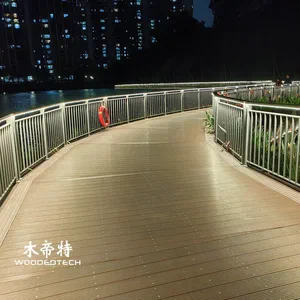 Maximizing Efficiency in Manufacturing: The Role of Composite Consult in 2023
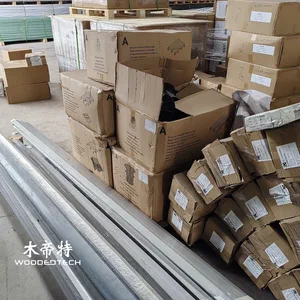 Understanding Composite Deck Pricing Per Square Foot: Key Factors for Businesses in 2024
 Composite Wood Decking Manufacturers Provide Professional Production and Export Services Worldwide
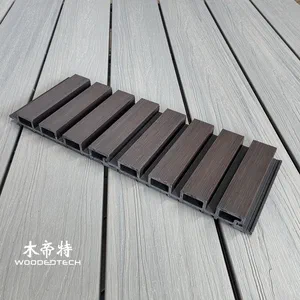 Choosing the Right Composite Deck Boards for Fence Applications: A 2023 Guide
Related Products
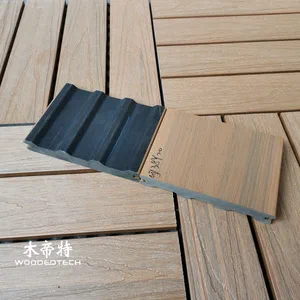 GD13820 M Shape Co Extruded Composite Deck Planks Feature a Special Profile Design for Distinctive Outdoor Decking Applications
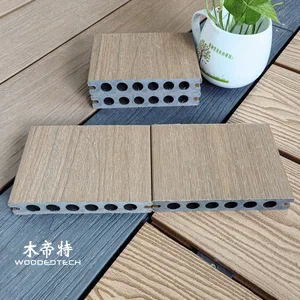 GD13823 Double Sided Flat Surface Co Extruded WPC Decking Features a Popular Width and Thickness with Round Hollow Structure
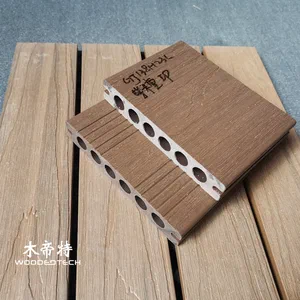 GD13823-3 Composite Boards for Decking Are Available in Multiple Stock Colors with 3 Meter Lengths and Single Piece Delivery