
Understanding Composite Deck Gap: Best Practices for Industrial Applications in 2023
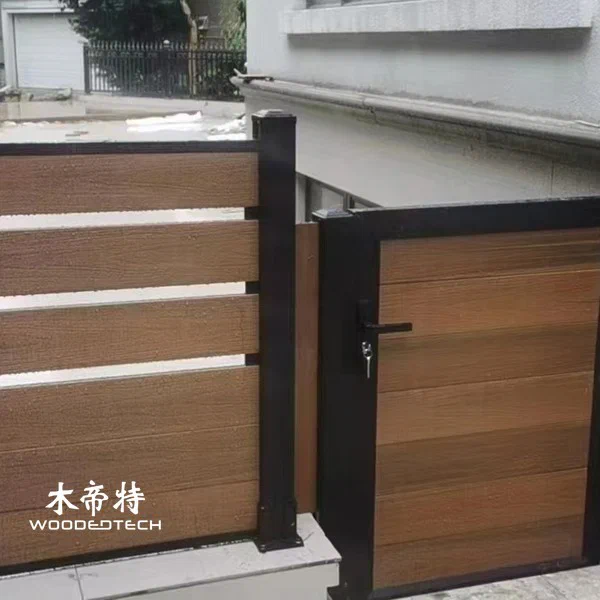
High-performance wood plastic composites (WPCs) are crucial for outdoor applications such as decking, cladding, fencing, and pergolas. Designing these materials requires a careful balance of wood fiber content, plastic ratios, additives, cost control, and expected product lifespan. This guide will explore how to achieve optimal performance and durability in WPC formulations.
Balancing Wood Fiber and Plastic Ratio
The foundation of any WPC lies in its composition. Typically, a blend of wood fibers and plastics is used, where the wood content can range from 30% to 70%. Higher wood fiber content enhances the material’s natural appearance and provides improved rigidity; however, excessive wood can lead to moisture absorption, reducing durability. Conversely, higher plastic ratios improve water resistance and weatherability, but may compromise the aesthetic qualities.

When designing WPCs, it is essential to find the right balance that aligns with the specific application. For instance, decking may benefit from a higher plastic ratio to ensure resistance to moisture and UV degradation, while decorative wall panels can incorporate more wood fibers for a natural look.
Additives and Performance Enhancements
Integrating additives is key to enhancing the performance characteristics of WPCs. Common additives include:
- UV stabilizers: Protect the composite from sun damage and color fading.
- Antimicrobial agents: Prevent mold and mildew growth, especially important for moist environments.
- Flame retardants: Enhance safety by reducing fire risk.
- Colorants: Provide aesthetic appeal and match design preferences.
While additives improve performance, they come at an additional cost. Therefore, selecting cost-effective additives without compromising quality is crucial for maintaining competitive pricing.
Cost Control Strategies
Cost control in WPC production is vital to ensure profitability while meeting market demands. Several strategies can be employed:
- Raw Material Sourcing: Utilizing locally sourced recycled wood and plastic can significantly reduce costs and enhance sustainability.
- Efficient Production Techniques: Implementing advanced manufacturing processes, such as co-extrusion, can minimize waste and enhance product quality.
- Batch Optimization: Carefully managing production batches can reduce the need for excess raw materials.
Balancing the need for high-quality materials with cost-effective strategies is essential for staying competitive in the market.
Ensuring Product Lifespan
The longevity of WPC products depends on their ability to withstand environmental challenges. To enhance product lifespan, consider the following:
- Moisture Resistance: Formulations should prioritize moisture resistance to prevent warping and degradation.
- Impact Resistance: Incorporating tougher plastic matrices can improve durability against wear and tear, making products suitable for high-traffic areas.
- Thermal Stability: Ensuring the composite can withstand temperature fluctuations without significant expansion or contraction will help maintain its integrity over time.
Regular testing and quality assurance throughout the production process will also contribute to the longevity of the final product.
Conclusion
Designing high-performance wood plastic composites for outdoor applications involves a multifaceted approach that balances materials, additives, cost control, and durability. By carefully considering each aspect, manufacturers can produce WPC products that not only meet industry standards but also satisfy consumer demands for quality, aesthetics, and longevity.
Related Articles
 Best Composite Deck Boards For The Money
 Exploring Custom Composite Solutions: Enhancing Industrial Applications in 2023
 Solid Composite for Strong Durable Outdoor Decking Panels and Architectural Applications
 Teak Synthetic for Low Maintenance Outdoor Decking Furniture and Architectural Applications
Related Products
 GD13820 M Shape Co Extruded Composite Deck Planks Feature a Special Profile Design for Distinctive Outdoor Decking Applications
 GD13823 Double Sided Flat Surface Co Extruded WPC Decking Features a Popular Width and Thickness with Round Hollow Structure
 GD13823-3 Composite Boards for Decking Are Available in Multiple Stock Colors with 3 Meter Lengths and Single Piece Delivery