
Understanding Composite Deck Dimensions: Key Specifications for 2023 Projects
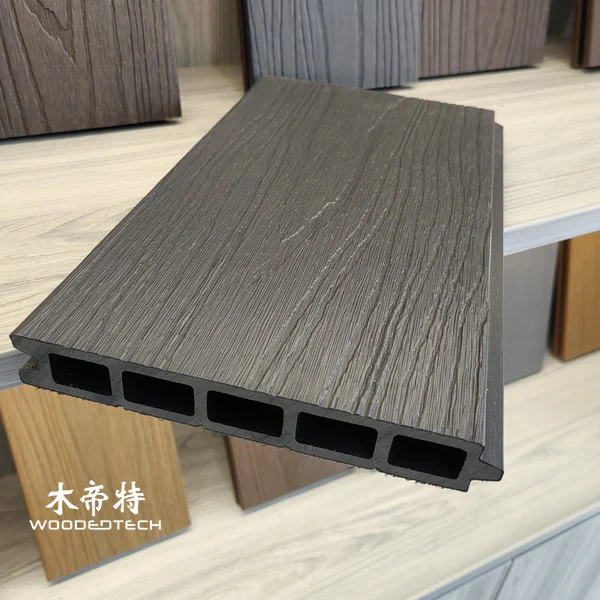
Designing high-performance outdoor wood plastic composite (WPC) formulas involves a careful balance of wood fiber content, plastic ratio, additives, cost control, and product lifespan. These considerations are critical for applications such as decking, wall cladding, fencing, pergolas, and landscape products.
Wood Fiber Content and Plastic Ratio
The first step in creating an effective WPC formula is determining the optimal balance between wood fiber and plastic. Generally, a higher wood fiber content can enhance the composite’s natural appearance and provide improved stiffness. However, exceeding a certain threshold may compromise the material’s durability and moisture resistance.
Typically, a blend of 50% to 70% wood fiber and 30% to 50% plastic is used to achieve a desirable performance profile. This ratio not only influences the mechanical properties but also affects processing characteristics such as flowability and moldability during manufacturing.
Additives for Performance Enhancement
Additives play a crucial role in enhancing the performance of WPCs. Commonly used additives include:
- UV stabilizers to prevent degradation from sunlight exposure.
- Antioxidants to enhance thermal stability.
- Fire retardants to improve flame resistance.
- Colorants for aesthetic appeal.
These additives can significantly impact the overall quality and lifespan of the final product. For example, integrating UV stabilizers can extend the color retention and structural integrity of outdoor applications, ensuring longevity even under harsh conditions.
Cost Control Strategies
While developing high-performance WPC formulations, cost management is essential. The choice of raw materials, including the source and quality of wood fibers and plastics, directly affects production costs. Using recycled plastics can reduce expenses and enhance sustainability, appealing to environmentally conscious consumers.
Furthermore, optimizing the manufacturing process can result in cost savings. For instance, fine-tuning the temperature and pressure settings during extrusion can improve production efficiency and reduce waste.
Product Lifespan Considerations
A key goal in WPC development is to maximize product lifespan. This can be achieved through rigorous testing and quality control measures to ensure consistency in material properties. Long-term exposure tests can help predict how the composite will perform over time in various outdoor environments.

Additionally, ensuring that the composite maintains its aesthetic appeal while resisting fading, warping, and cracking will contribute to a longer lifespan. Implementing a capped composite design can provide an extra layer of protection against moisture and UV damage, enhancing durability.
Applications and Market Trends
As consumer preferences shift towards sustainable building materials, the demand for high-performance WPC products is on the rise. Decking and cladding solutions are particularly popular due to their low maintenance needs and versatility. Moreover, the trend towards customizable products allows manufacturers to cater to specific market segments, offering bespoke solutions that meet various aesthetic and functional requirements.
In recent years, innovations in the WPC sector, such as co-extrusion technology, have further improved the performance and appeal of these materials. This process creates a protective layer around the core, enhancing resistance to environmental factors while maintaining a natural wood-like appearance.
The landscape of outdoor living spaces continues to evolve, prompting manufacturers to stay ahead of trends by continuously improving their WPC formulas. This commitment to innovation and quality will be crucial for establishing a competitive edge in the ever-growing market.
Related Articles
 Outdoor WPC Deck for Durable Residential Gardens Patios Balconies and Landscape Projects
 Elegant Plastic Wood Porch Ideas to Enhance Your Outdoor Living Space
 Innovative Solutions for WPC Decking Fence: Enhancing Outdoor Spaces in 2023
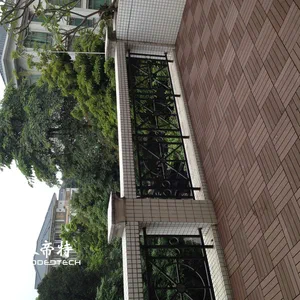 Innovative WPC Decking Platform Solutions for Sustainable Outdoor Spaces in 2023
Related Products
 GD13820 M Shape Co Extruded Composite Deck Planks Feature a Special Profile Design for Distinctive Outdoor Decking Applications
 GD13823-3 Composite Boards for Decking Are Available in Multiple Stock Colors with 3 Meter Lengths and Single Piece Delivery
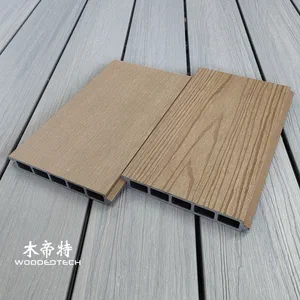 3DGL18024 WPC Longboard Fence Features Premium Co Extruded 3D Embossed Teak Wood Grain Texture with Realistic Natural Wood Fibers