
Understanding Composite Deck Boards Thickness: Key Considerations for 2023 Buyers
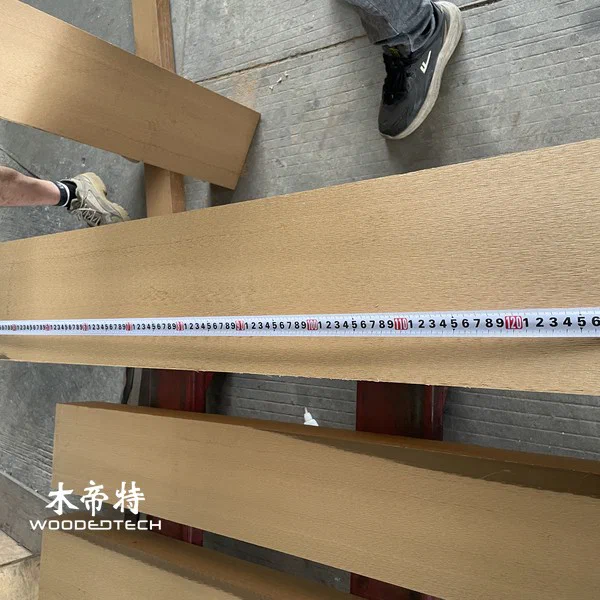
Composite deck boards are increasingly popular in outdoor settings due to their durability and aesthetic appeal. Understanding the factors that influence the performance of these boards, including material composition and quality control processes, is essential for buyers in 2023. This article examines how wood powder, HDPE/PVC polymers, additives, pigments, and modifiers affect the durability, weather resistance, and overall performance of outdoor WPC products, along with practical inspection methods for ensuring high quality.
Material Composition
The durability and performance of composite decking primarily depend on the materials used in its production. Key components include:
Wood Powder: This acts as the primary filler, providing a natural wood-like appearance. The quality and source of the wood powder significantly impact the board’s strength and resistance to decay. High-quality wood powder contributes to enhanced durability and a more authentic look.
HDPE/PVC Polymers: These polymers form the backbone of the composite material. HDPE (High-Density Polyethylene) is preferred for its superior weather resistance and impact strength. PVC (Polyvinyl Chloride) enhances moisture resistance and overall durability. The right polymer blend is crucial for achieving optimal performance in outdoor environments.

Additives and Modifiers: Various additives are included to improve specific properties, such as UV resistance and fire retardancy. Modifiers can enhance flexibility, reduce brittleness, and improve the material’s ability to withstand temperature fluctuations.
Pigments: Color pigments not only enhance aesthetics but also provide UV protection, reducing fading over time. The type and concentration of pigments used can affect the board’s long-term appearance and performance.
Weather Resistance and Durability
The environmental exposure that composite decking faces demands a robust material that can withstand various weather conditions. Key factors affecting weather resistance include:
Moisture Resistance: A well-formulated composite product should prevent moisture absorption, which can lead to mold growth and structural weakening. Proper use of HDPE/PVC helps achieve this.
UV Stability: Prolonged exposure to sunlight can degrade materials, leading to color fading and brittleness. High-quality UV stabilizers in the formulation protect against these effects, ensuring the decking retains its appearance and structural integrity.
Thermal Expansion: Outdoor conditions can lead to significant temperature fluctuations. The chosen materials should minimize thermal expansion and contraction to prevent warping or cracking.
Practical Factory Inspection Methods
To ensure the quality of composite decking, rigorous inspection methods are essential. Effective quality control processes may include:
Raw Material Inspection: Conduct thorough checks on wood powder, polymers, and additives to ensure they meet specified standards. This includes examining particle size, moisture content, and the presence of contaminants.
In-Process Quality Checks: Monitor the extrusion process, ensuring consistent temperature and pressure to maintain material properties. Regular sampling during production can help catch deviations early.
Physical Testing: Perform mechanical tests on finished samples, including tensile strength, flexural strength, and impact resistance. These tests provide insights into the overall durability and performance of the boards.
Weather Resistance Testing: Subject sample boards to accelerated weathering tests, simulating years of exposure to sunlight, moisture, and fluctuating temperatures. This assessment helps predict the long-term performance of the products.
Certification Standards: Compliance with industry standards, such as ASTM and ISO, is critical. Ensure that products are tested against these standards to guarantee quality.
By focusing on the right materials and implementing stringent quality control measures, manufacturers can produce high-quality composite decking that meets the demands of outdoor environments. Buyers should look for products that clearly outline their material composition and quality testing processes to ensure they make an informed decision.
Related Articles
 Exploring the Benefits of Composite Deck Boards 10 ft for Commercial Projects in 2023
 Understanding Composite Decking Stairs Cost: A Comprehensive Guide for 2023
 HDPE Composite Lumber Offers Strong and Durable Material Solutions for Outdoor Construction Projects
 Understanding WPC Meaning: A Comprehensive Guide for Industrial Applications in 2023
Related Products
 GD13820 M Shape Co Extruded Composite Deck Planks Feature a Special Profile Design for Distinctive Outdoor Decking Applications
 GD13823 Double Sided Flat Surface Co Extruded WPC Decking Features a Popular Width and Thickness with Round Hollow Structure
 GD13823-3 Composite Boards for Decking Are Available in Multiple Stock Colors with 3 Meter Lengths and Single Piece Delivery