
Understanding Composite Deck Boards: How Much Do They Cost in 2023?
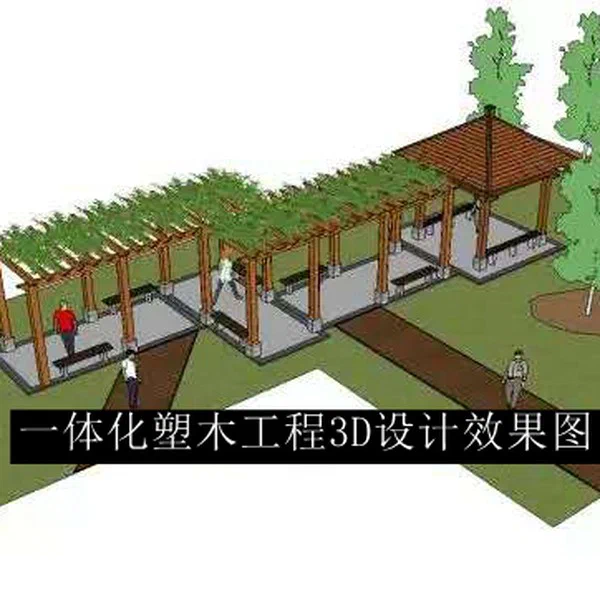
Composite deck boards, particularly wood plastic composites (WPC), offer an appealing alternative to traditional materials like natural wood, aluminum, and other exterior options. This article explores the costs and characteristics of these materials in 2023, focusing on their advantages, disadvantages, maintenance needs, and overall lifecycle costs.
Advantages of Composite Deck Boards
Composite decking, including WPC, provides several key benefits:
- Durability: Composite materials resist fading, staining, and moisture damage, making them ideal for outdoor use.
- Low Maintenance: Unlike natural wood, which requires regular staining and sealing, composite boards typically need only occasional cleaning with soap and water.
- Eco-Friendly: Many composite products are made from recycled materials, contributing to sustainability efforts.
- Aesthetic Variety: Composite boards are available in various colors and textures, mimicking the look of natural wood without the drawbacks.
Disadvantages of Composite Deck Boards
Despite their advantages, composite deck boards have some limitations:
- Initial Cost: The upfront cost of composite decking can be higher than that of traditional wood. This might deter some budget-conscious buyers.
- Heat Retention: Composite materials can get hotter than wood in direct sunlight, potentially making them uncomfortable to walk on barefoot.
- Limited Lifespan Compared to Metal: While durable, composite decks typically do not last as long as aluminum options.
Comparison with Traditional Wood

Natural wood offers a classic aesthetic and is often less expensive upfront:
Advantages:
- Traditional wood decks provide warmth and natural beauty.
- They can be easier to work with and customize for DIY projects.
Disadvantages:
- Wood requires significant maintenance, including regular sealing, staining, and potential repairs from rot or insect damage.
- Lifespan can vary widely based on the type of wood used and environmental conditions.
Analyzing Aluminum Decking
Aluminum is another popular choice for outdoor decking, known for its strength and longevity:
Advantages:
- Extremely durable and resistant to rot, insects, and weather damage.
- Lightweight and can be easier to install than heavier materials.
Disadvantages:
- Higher initial costs than both wood and composite options.
- Limited aesthetic appeal compared to natural wood, often perceived as less inviting.
Maintenance Requirements
Maintenance varies significantly among these materials:
- Composite Decking: Requires minimal upkeep; occasional washing is usually sufficient.
- Natural Wood: Needs regular staining and sealing every 1-3 years to maintain appearance and prevent damage.
- Aluminum: Requires occasional cleaning; no sealing or staining is necessary.
Lifecycle Costs
When considering lifecycle costs, it’s essential to factor in both initial and long-term expenses:
- Composite Decking: While the initial investment is higher, the reduced maintenance costs often result in lower overall lifecycle costs.
- Natural Wood: Lower upfront costs are offset by higher maintenance and repair expenses over time.
- Aluminum: Higher initial costs are balanced by minimal maintenance needs, making it a long-term investment.
In 2023, composite deck boards remain a competitive option due to their durability, low maintenance, and aesthetic flexibility. While they may present a higher initial cost compared to traditional wood, their lifecycle benefits often make them a smarter choice for many homeowners looking for lasting outdoor solutions.
Related Articles
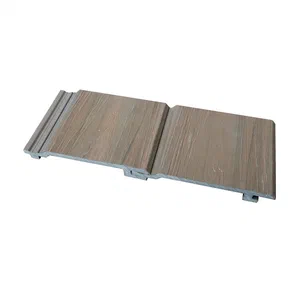 Understanding Composite Decking Cost: A Comprehensive Guide for Businesses in 2023
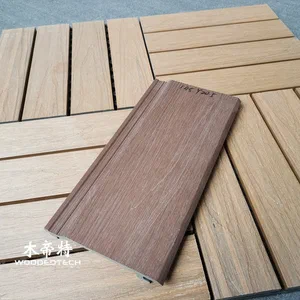 Understanding the Cost: What Price is Composite Decking in 2023?
 Understanding Composite Decking: How Much Should Composite Decking Cost in 2023?
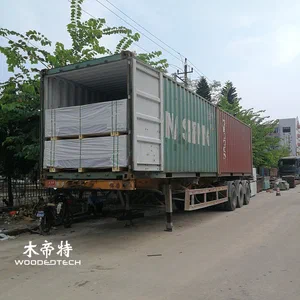 Understanding Composite Decking Cost per m2: A Comprehensive Guide for 2023
Related Products
 GD13820 M Shape Co Extruded Composite Deck Planks Feature a Special Profile Design for Distinctive Outdoor Decking Applications
 GD13823-3 Composite Boards for Decking Are Available in Multiple Stock Colors with 3 Meter Lengths and Single Piece Delivery
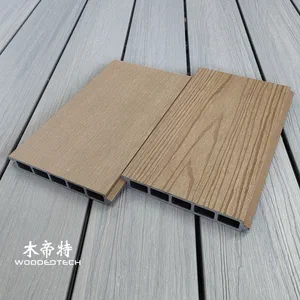 3DGL18024 WPC Longboard Fence Features Premium Co Extruded 3D Embossed Teak Wood Grain Texture with Realistic Natural Wood Fibers