
Understanding Composite Deck Boards Cost Per Square Foot: 2023 Industry Insights
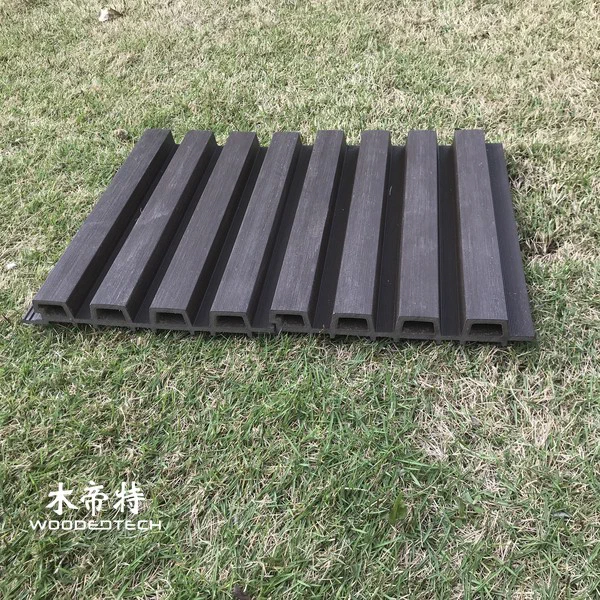
The analysis of composite deck boards cost per square foot in 2023 reveals significant insights into the evolving market for outdoor building materials, particularly in decking, wall cladding, fencing, and landscape products. As consumer preferences shift towards durable, low-maintenance materials, understanding the cost dynamics of composite decking becomes essential for both manufacturers and consumers.
Current Market Trends
The composite decking market has seen substantial growth due to the increasing demand for sustainable building materials. This demand is driven by an emphasis on eco-friendly products and the rise of outdoor living spaces, which has been accelerated by the pandemic. Composite decking is gaining traction over traditional wood due to its resistance to rot, insects, and fading, making it a preferred choice for both residential and commercial properties.
Cost Analysis
In 2023, the average cost of composite deck boards ranges from $3 to $12 per square foot, depending on the quality, brand, and features. Factors that influence pricing include:

- Material composition (wood fiber and plastic blend)
- Co-extrusion technology for enhanced durability
- Brand reputation and market positioning
- Aesthetic finishes and colors
High-end brands offering capped composite decking can command prices at the upper end of this spectrum, reflecting their superior performance and longevity.
Future Opportunities
As the market evolves, several opportunities present themselves:
- Customization: There is a growing demand for bespoke WPC products that cater to specific design aesthetics. Manufacturers can capitalize on this trend by offering tailored solutions for unique outdoor spaces.
- Sustainable Innovations: Companies that focus on eco-friendly materials and processes are likely to capture a larger market share. Innovations in recycling and sustainability can enhance product appeal.
- Technological Advancements: Investment in new technologies, such as 3D embossed composite decking, can improve product performance and aesthetics. These advancements may attract a broader customer base looking for high-quality, visually appealing options.
- Expansion into Emerging Markets: As awareness of composite materials grows, there’s potential for expansion into developing regions where traditional materials are still prevalent. Educating consumers about the long-term benefits of composite products can facilitate this transition.
Market Challenges
Despite these opportunities, challenges remain. Price sensitivity among consumers can limit market growth, particularly in regions where traditional wood is significantly cheaper. Additionally, competition from alternative materials, including aluminum and PVC, may impact market dynamics.
To maintain competitiveness, businesses must focus on highlighting the unique benefits of composite decking, such as its low maintenance requirements and long lifespan, while also addressing consumer concerns about initial costs.
The future of the composite decking market looks promising as more consumers recognize the value of investing in durable, sustainable outdoor building solutions. By understanding current trends and future opportunities, stakeholders can position themselves strategically to succeed in this evolving landscape.
Related Articles
 Enhancing Outdoor Spaces with WPC Self Leveling Deck Tiles: A 2023 Guide for B2B Solutions
 Essential Guide to Choosing Composite Decking 2 x 6: Key Factors for B2B Success
 Optimizing Outdoor Spaces: The Benefits of Composite Planks for Decks in 2023
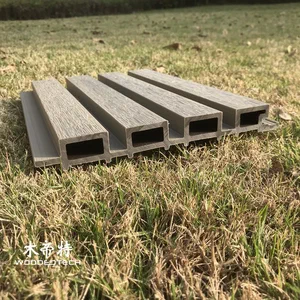 The Future of Outdoor Spaces: Exploring Innovative Composite Decking Materials for 2024
Related Products
 GD13820 M Shape Co Extruded Composite Deck Planks Feature a Special Profile Design for Distinctive Outdoor Decking Applications
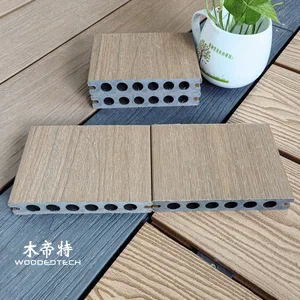 GD13823 Double Sided Flat Surface Co Extruded WPC Decking Features a Popular Width and Thickness with Round Hollow Structure
 GD13823-3 Composite Boards for Decking Are Available in Multiple Stock Colors with 3 Meter Lengths and Single Piece Delivery