
Understanding Composite Deck Board Pricing: A Comprehensive Guide for 2023
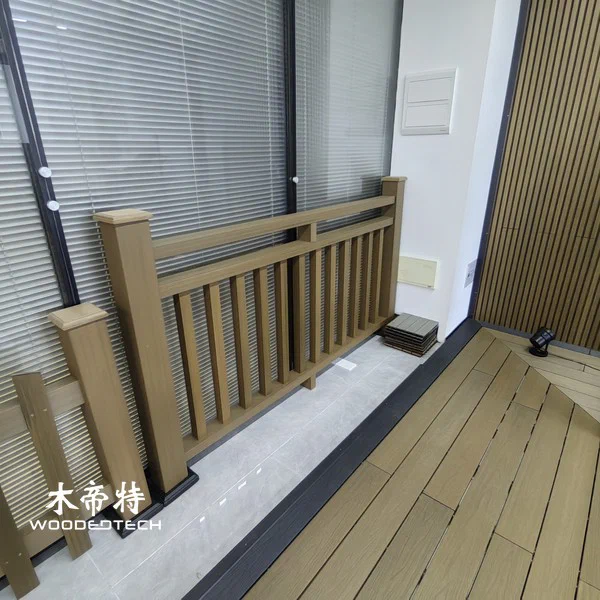
Composite deck board pricing is influenced by various factors, including the quality and type of raw materials used in their production. In this article, we’ll explore how wood powder, HDPE/PVC polymers, additives, pigments, and modifiers affect the durability, weather resistance, and overall performance of outdoor wood plastic composite (WPC) products. Additionally, practical factory inspection methods and quality standards will be discussed to ensure the production of high-quality composite decking.
Impact of Raw Materials on WPC Durability
The key to a durable composite deck lies in the selection of high-quality raw materials. Wood powder serves as the primary filler in WPC, providing strength and a natural appearance. The quality of wood powder can significantly affect the strength and longevity of the finished product. It is essential to source wood powder that is free of contaminants and has a consistent particle size to avoid weak spots in the final composite.
HDPE (high-density polyethylene) and PVC (polyvinyl chloride) are the main polymers used in WPC formulations. HDPE is known for its excellent resistance to moisture, chemicals, and UV radiation, making it a preferred choice for outdoor applications. PVC, while also durable, can become brittle over time if not properly formulated. The ratio of wood powder to polymer affects the mechanical properties of the composite, with an optimal balance enhancing durability and performance.
Additives and modifiers play a crucial role in enhancing the properties of WPC. These may include coupling agents, which improve the bond between wood and plastic, and UV stabilizers, which protect against sun damage. The right combination of additives can significantly improve the weather resistance of the decking, making it less prone to fading, cracking, or warping over time.

Quality Standards and Inspection Methods
Ensuring high-quality composite decking starts with stringent quality control measures during production. Here are some practical inspection methods used in the factory:
Raw Material Testing: Before production, all raw materials undergo rigorous testing. Wood powder is checked for moisture content, particle size distribution, and contamination levels. Polymers are tested for their chemical properties and compliance with industry standards.
Production Process Monitoring: Continuous monitoring of the extrusion process is vital. Key parameters such as temperature, pressure, and material flow must be maintained to ensure uniformity in the composite. Any deviation can lead to inconsistencies that affect the final product’s quality.
Mechanical Property Testing: Finished products are subjected to various mechanical tests, including tensile strength, flexural strength, and impact resistance. These tests help ensure that the composite meets the required performance standards for outdoor applications.
Weathering Tests: To evaluate weather resistance, samples undergo accelerated weathering tests. This simulates prolonged exposure to UV light, moisture, and temperature fluctuations, allowing manufacturers to predict the long-term performance of their products.
Conclusion
The durability, weather resistance, and performance of outdoor WPC products depend significantly on the quality of raw materials used in their production. By adhering to strict quality standards and implementing thorough inspection methods, manufacturers can ensure that their composite deck boards meet the expectations of durability and aesthetic appeal. Investing in high-quality materials and rigorous quality control will ultimately lead to better products and satisfied customers.
Related Articles
 Effective Solutions for Composite Deck Hole Filler: Enhance Durability in 2023
 Understanding WPC: What Material Is It and Its Applications in Industry
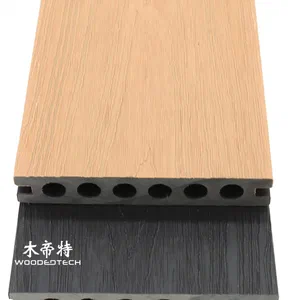 Essential Buying Criteria for Decking Composite Boards: A 2023 Guide for Businesses
 Understanding WPC: What Does WPC Stand For in the Industrial Sector?
Related Products
 GD13820 M Shape Co Extruded Composite Deck Planks Feature a Special Profile Design for Distinctive Outdoor Decking Applications
 GD13823 Double Sided Flat Surface Co Extruded WPC Decking Features a Popular Width and Thickness with Round Hollow Structure
 GD13823-3 Composite Boards for Decking Are Available in Multiple Stock Colors with 3 Meter Lengths and Single Piece Delivery