
Understanding Composite Deck Board Prices: Key Factors Influencing Costs in 2023
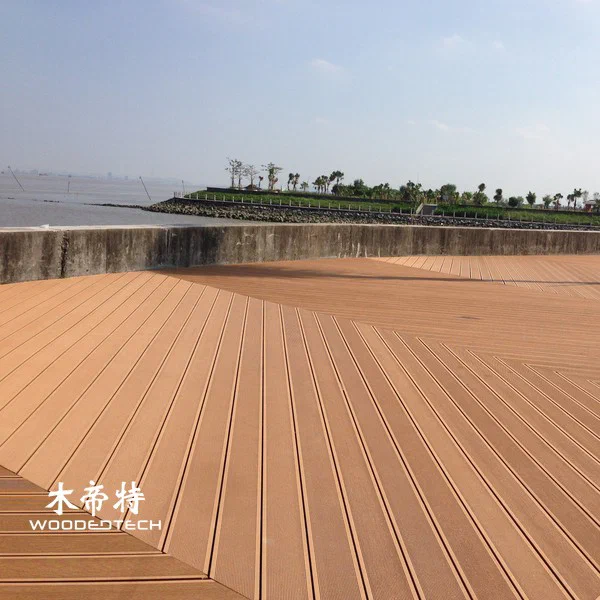
Composite deck boards are becoming increasingly popular for outdoor spaces due to their versatility and durability. In 2023, understanding the factors that influence their prices is essential for making informed purchasing decisions. This article explores the key aspects that affect composite deck board prices, including materials, manufacturing processes, and market trends.
Material Composition
The core of composite decking is typically made from a blend of wood fibers and recycled plastic. This combination creates a resilient product that offers the aesthetic appeal of natural wood without many of its drawbacks. The specific ratio of wood to plastic can vary among manufacturers, impacting the quality and price of the decking. Higher-quality composites often use more wood content, which can enhance their look and feel, but also increase costs.
Manufacturing Processes
The method used to manufacture composite decking plays a crucial role in its pricing. There are generally two types of composites: capped and uncapped. Capped composite decking features an additional layer of protection that enhances its resistance to fading, staining, and moisture. While capped options tend to be more expensive due to their advanced technology and longer lifespan, they offer significant long-term savings in maintenance and replacement costs.
Market Trends
Supply chain dynamics and material shortages can have a substantial impact on composite decking prices. Factors such as increased demand for outdoor living spaces and eco-friendly products can drive prices up. Additionally, fluctuations in the cost of raw materials, especially wood and plastic, can affect overall pricing. Keeping an eye on market trends can help buyers anticipate potential price increases.
Maintenance and Lifespan
One of the significant advantages of composite decking is its low maintenance requirements compared to traditional wood. Natural wood requires regular sealing, staining, and treatment to prevent decay and insect damage, which can add to its lifecycle costs. In contrast, composite decking typically only requires occasional cleaning with soap and water. Its durability means it can last 25 years or more with minimal upkeep, making it a cost-effective option over time.
Aesthetic Variety
Composite decking comes in a wide array of colors and styles, allowing for greater design flexibility than traditional wood. Many manufacturers offer customizable options, which can influence pricing. Higher-end products may feature advanced textures and finishes that mimic the look of exotic woods, appealing to homeowners looking for both beauty and practicality in their outdoor spaces.

Sustainability Considerations
Many composite decking products are made from recycled materials, presenting an eco-friendly option for consumers. This sustainability factor can be a selling point, allowing manufacturers to position their products at a premium price. Buyers interested in environmentally responsible options may be willing to invest more in composite decking that reduces landfill waste.
Conclusion
When considering composite deck boards, understanding the various factors influencing prices is crucial. From material composition and manufacturing processes to market trends and maintenance needs, each element plays a role in the overall cost. By weighing these factors, buyers can make informed decisions that align with their budgets and aesthetic preferences.
Related Articles
Related Products
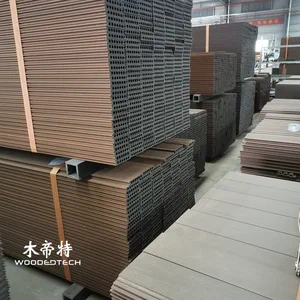
 GD13820 M Shape Co Extruded Composite Deck Planks Feature a Special Profile Design for Distinctive Outdoor Decking Applications
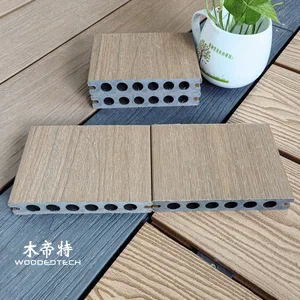 GD13823 Double Sided Flat Surface Co Extruded WPC Decking Features a Popular Width and Thickness with Round Hollow Structure
 GD13823-3 Composite Boards for Decking Are Available in Multiple Stock Colors with 3 Meter Lengths and Single Piece Delivery