
Ultimate Guide to WPC Flooring Full Form, Benefits, and Applications
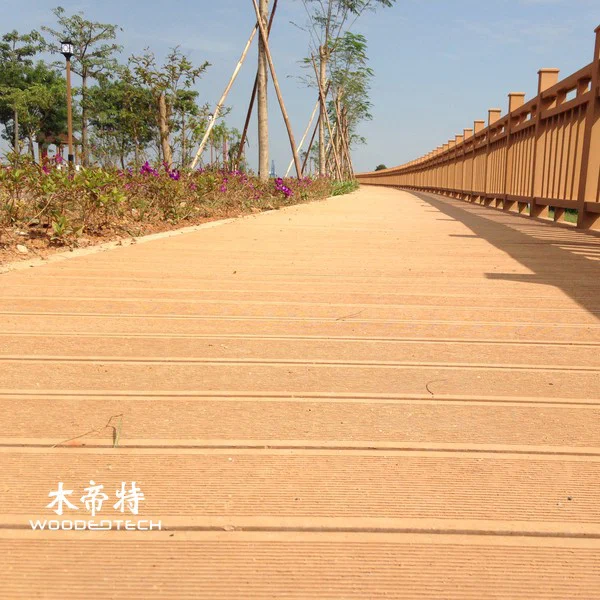
WPC flooring stands for wood plastic composite flooring, a hybrid material made from wood fiber and thermoplastic resin. For industrial and commercial buyers, it offers a practical balance of durability, appearance, and lower maintenance than natural wood.
What WPC Flooring Means in B2B Projects
WPC flooring is engineered for spaces that need stable performance under heavy use. It is commonly specified for offices, retail stores, hospitality areas, and light industrial interiors where moisture resistance and easy cleaning matter. Compared with traditional timber, it helps reduce issues such as warping, splitting, and frequent refinishing.
Buyers also value WPC for its consistent production quality. A reliable supplier can control thickness, surface texture, locking systems, and color batches, which is important when matching large project orders. This makes it a strong option for distributors, contractors, and brand owners looking for scalable supply.
Key Benefits for Commercial Use
WPC flooring brings several advantages that make it attractive for wholesale and project-based purchasing:
- Moisture resistance: suitable for damp environments and areas with occasional spills
- Low maintenance: no sanding, sealing, or painting required
- Dimensional stability: performs better than wood in changing temperature and humidity
- Design flexibility: available in wood-look finishes and multiple surface styles
- Cost efficiency: supports long service life with lower upkeep costs
For buyers comparing flooring systems, WPC often fits the middle ground between appearance and performance. It delivers a more premium look than basic plastic flooring while avoiding many of the maintenance demands of solid wood.
Where It Is Commonly Applied
WPC flooring is widely used in commercial interiors, including hotel corridors, showroom spaces, apartment common areas, retail floors, and office reception zones. In some projects, it is also selected for covered balconies, utility rooms, and indoor-outdoor transition areas where water resistance is a priority.
The product is typically chosen where fast installation and predictable results matter. Interlocking or click systems can shorten project timelines, while factory-finished surfaces help maintain uniform quality across large installations. For B2B procurement teams, this reduces labor risk and simplifies material planning.
What Buyers Should Check Before Ordering
Not all WPC flooring is the same. Before placing a bulk order, confirm wear layer performance, core density, fire rating requirements, and slip resistance for the target market. It is also worth checking packaging, pallet loading efficiency, and whether the supplier can provide private label or custom specifications.

FAQ
Q: What does WPC flooring full form mean? A: WPC stands for wood plastic composite. It refers to flooring made from wood fiber and plastic polymers for improved durability and moisture resistance.
Q: Is WPC flooring suitable for commercial projects? A: Yes, it is widely used in commercial interiors because it is low maintenance, stable, and available in consistent finishes for bulk orders.
Q: How is WPC flooring different from wood flooring? A: WPC flooring is more resistant to moisture and requires less upkeep than natural wood. It is often chosen when long-term stability and easy cleaning are priorities.
Related Articles
Related Products
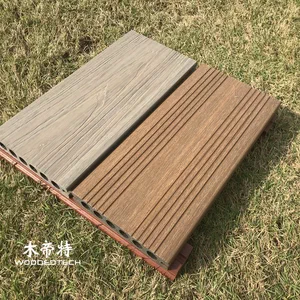 GD13823-3 Second Generation Co Extruded Wood Plastic Composites With High Quality Stable Performance For Premium Outdoor Applications
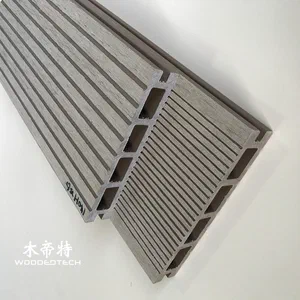 D14025-3 Composite Lumber for Decks Features a Classic Double Sided Groove Design with Excellent Value for Outdoor Projects
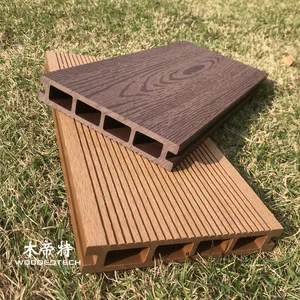 D14025-4 Composite for Decking Provides Stable Performance and Reliable Quality as a Popular Choice for Outdoor Projects