
Ultimate Guide to WPC Cladding HS Code and Global Import Tariff Standards
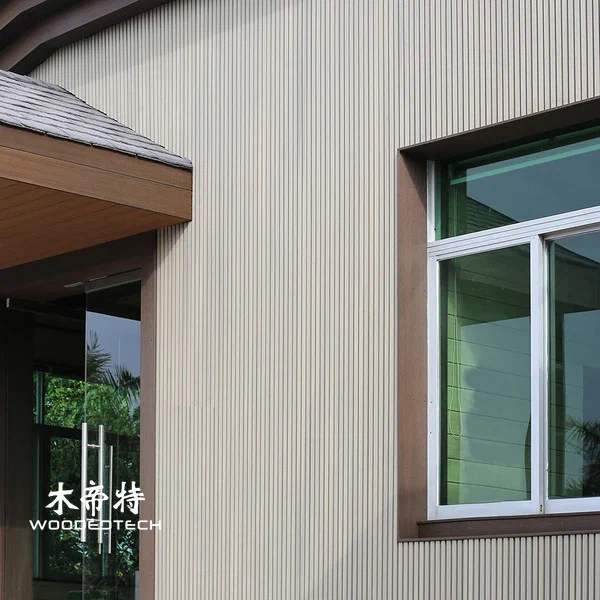
WPC cladding is commonly classified under HS codes linked to wood plastic composite building materials, but the exact tariff code depends on product form, composition, and how customs authorities interpret the item. For importers and exporters, getting the right classification matters because it affects duty rates, customs clearance speed, and documentation requirements.
What the HS Code Covers
In many markets, WPC cladding is evaluated as an exterior wall covering or a composite panel rather than a simple plastic article. Customs officials usually review the material blend, whether the product is profiled or flat, and whether it is designed specifically for wall use. That is why one shipment may be declared under a wood plastic composite wall panel hs code, while another may be treated under a different heading if the structure or intended use is not clear.
For buyers, the safest approach is to confirm the product specification sheet, composition percentage, application, and photos before shipping. A reliable supplier should be able to support classification with technical data, commercial invoices, packing details, and, when needed, past customs records. This is especially important for projects involving wpc cladding exterior, wpc wall cladding, or other exterior wall cladding products sold across multiple countries.
Global Import Tariff Factors

Three factors usually drive the landed cost:
- HS code interpretation by the importing country
- Country of origin and trade agreement status
- Product form, such as panel, board, or cladding profile
Because of these differences, importers should never rely on a single global tariff answer. Instead, compare the target market’s customs database, ask the local broker for a pre-classification opinion, and verify whether the shipment qualifies for preferential treatment.
How to Reduce Customs Risk
The most practical way to avoid delays is to keep product naming consistent across all shipping documents. Use one technical description, match the invoice to the packing list, and avoid vague wording such as “plastic panel” if the product is actually engineered as WPC cladding. For project buyers, requesting a supplier declaration, material test report, and installation description can help support a cleaner customs review.
If you source from an OEM or factory-direct supplier, ask for export-ready documentation before production ends. This is particularly useful for recurring orders of wpc composite wall cladding, wpc exterior wall cladding, or similar products where the same article may be classified differently in different jurisdictions.
Choosing the Right Supplier
A strong supplier should understand customs language as well as product performance. The best partners can explain the material structure, suggest the most suitable HS code reference, and prepare documents that align with your destination market. That support can save time, reduce brokerage disputes, and improve landed-cost planning for distributors, contractors, and project buyers.
FAQ
Q: Is WPC cladding always classified under one HS code? A: No. Classification depends on the product’s composition, shape, and intended use, so the code can vary by country.
Q: Why does the tariff rate differ between markets? A: Each customs authority applies its own interpretation, and duties may change based on trade agreements, origin, and product description.
Q: What documents help with WPC cladding customs clearance? A: A technical datasheet, commercial invoice, packing list, and material declaration are the most useful basics.
Related Articles
Related Products
 B14011 WPC Paneling Sheets Feature Double Flat Surfaces with Heat Pressed Wood Grain Designs for Outdoor Styles
 B7112 WPC Panel Design Exterior Boards Offer Stocked Fence Strips for Outdoor Decoration and Edge Finishing
 WPC Decking Accessories Provide Complete Installation Components for Professional Outdoor Flooring Projects