
Ultimate Guide: Choosing the Best composite deck for Your Home
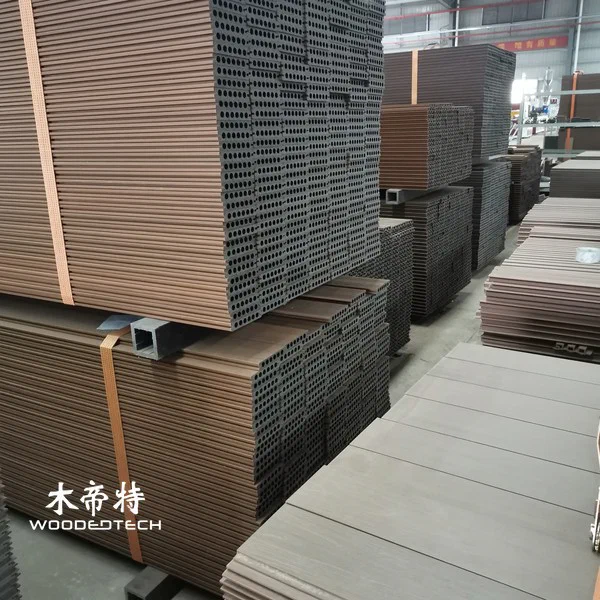
Choosing the best composite deck for your home starts with matching product performance to your project goals. For B2B buyers, that means looking beyond appearance and comparing durability, slip resistance, maintenance needs, and supply consistency. The right choice supports safer outdoor spaces, lower lifecycle costs, and better long-term value.
What to Evaluate First
A composite deck should be selected by use case, not by color alone. High-traffic residential developments, hospitality terraces, and export projects all demand different performance levels, so check whether the material is capped, moisture-resistant, UV-stable, and suitable for your local climate. If the project will face heavy sun, rain, or coastal air, a stronger surface layer and reliable core structure matter more than a low upfront price.
Board profile also affects performance and installation. Solid boards usually offer stronger impact resistance, while hollow boards can reduce weight and shipping cost. Grooved surfaces may help with hidden fastening systems, while embossed finishes can improve grip and create a more natural wood look. For procurement teams, the best option is often the one that balances installation efficiency with long-term durability.

Why Material Quality Matters
Not all composite decking is made to the same standard. Buyers should ask for details on raw material ratios, surface treatment, color stability, and load performance. A supplier that provides consistent composite decking boards, clear technical data, and stable batch quality is easier to work with on repeat orders and large-scale delivery schedules.
It also helps to compare the total project cost, not just the unit price. Premium boards may cost more at purchase, but they often reduce callbacks, replacement claims, and maintenance labor. That is especially important for developers, contractors, and distributors who need dependable product performance across multiple sites.
Practical Buying Checklist
Before placing an order, review these points:
- Slip resistance for wet outdoor use
- UV and fade resistance for exposed areas
- Warranty terms and surface protection
- Installation method and accessory compatibility
- Packaging quality for export and long-distance shipping
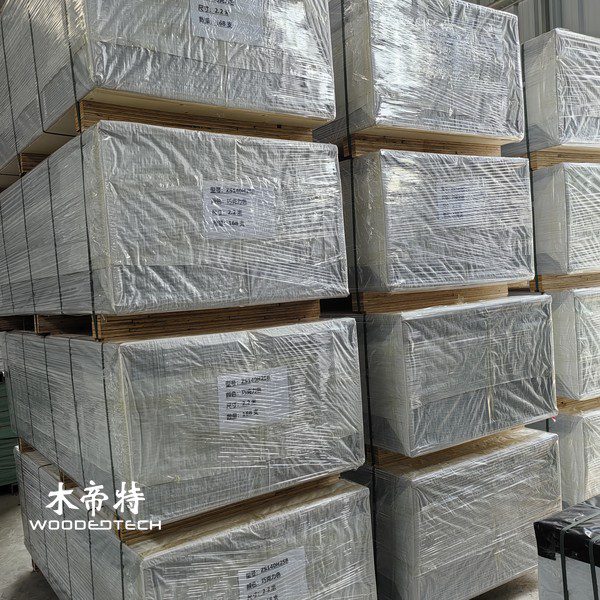

Choosing the Right Supplier
The best supplier is more than a factory with stock. Look for a partner that can support custom sizes, stable lead times, and documentation for trade channels. For wholesale buyers, this is where product consistency, responsive communication, and export-ready packaging make a real difference.
FAQ
Q: What is the biggest advantage of composite decking? A: It offers a strong balance of low maintenance, weather resistance, and stable appearance, which makes it practical for long-term outdoor use.
Q: Is capped composite decking worth the extra cost? A: For most commercial and high-exposure projects, yes. The capped surface improves stain resistance and helps protect color over time.
Q: How do I compare composite decking suppliers? A: Check technical specs, sample quality, warranty terms, production capacity, and whether the supplier can support repeat orders consistently.
Related Articles
Related Products
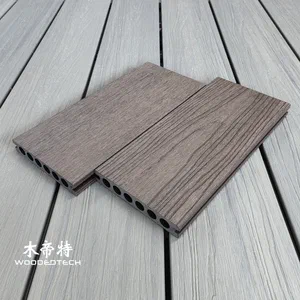 3DGD13823 Second Generation 3D Embossed Rosewood Composite Balcony Decking Delivers Ultra Realistic Wood Grain Texture and a Premium Natural Wood Experience
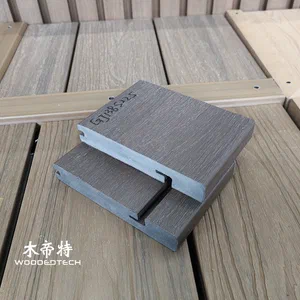 GD13822.5S Fully Capped Solid Starter Wood Polymer Composite Decking Provides a Stable Starting Structure for the First Decking Board
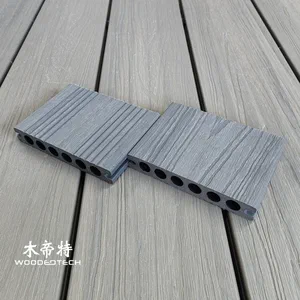 GD13823-3 Light Grey Premium Co Extrusion WPC Composite Decking Offers LG Texture and Excellent UV Resistance for Outdoor Spaces