
Top-Rated composite decking boards for sale: Upgrade Your Backyard

Composite decking boards are a practical upgrade for commercial outdoor projects that need a clean look, dependable performance, and lower upkeep. For buyers sourcing materials for hospitality, residential developments, or landscape contracts, the right boards can improve both project value and long-term operating efficiency.
Why composite decking works for B2B projects
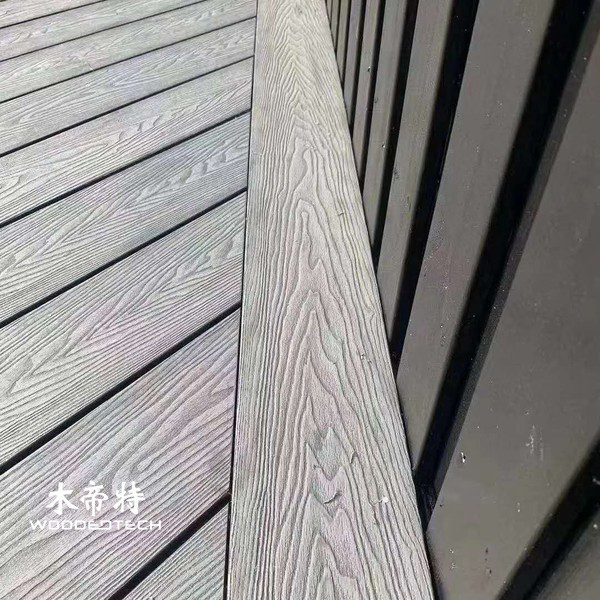
Composite decking boards combine wood fiber and polymer content to create a durable surface that resists common outdoor issues such as moisture, rot, splintering, and warping. That makes them a strong fit for rooftops, terraces, pool edges, shared courtyards, and retail outdoor spaces where safety and appearance matter every day.
For contractors and distributors, the commercial advantage is consistency. Composite decking is easier to standardize across multi-site projects than natural wood, and it usually needs less sanding, sealing, or repainting over time. That reduces maintenance calls and helps owners control lifecycle cost.
What to look for when sourcing boards
Not all products offer the same performance level, so specifications matter. Buyers should compare surface finish, slip resistance, board profile, color stability, and warranty terms before placing a bulk order. Capped composite decking boards are often preferred for tougher applications because the protective layer helps improve stain resistance and color retention.
Useful purchase checks include:
- Board thickness and span suitability
- Hidden fastener compatibility
- UV and moisture resistance
- Core density and structural stability
- Available colors and surface textures
- Packaging and container loading efficiency

Commercial benefits beyond appearance
Composite decking boards support faster delivery and simpler maintenance planning, which matters in B2B purchasing. They can help reduce installation waste, improve jobsite consistency, and present a more polished finish to end users. For buyers comparing options, composite decking also offers a strong balance between initial price and long-term cost, especially in high-traffic outdoor environments.
Sourcing from a reliable supplier is equally important. Look for stable production capacity, clear material grading, and responsive technical support for installation details. For wholesalers and project buyers, dependable supply can matter as much as product quality when deadlines are tight.
Choosing the right supplier
When evaluating composite decking boards for sale, ask for sample boards, technical data, and recent project references. A capable supplier should explain how the boards perform in outdoor exposure, how they should be installed, and which accessories are needed for a complete system. That level of support helps reduce claim risk and keeps large orders on schedule.
FAQ
Q: Are composite decking boards suitable for commercial use? A: Yes. They are widely used in hospitality, housing, and public-facing outdoor projects because they offer consistent appearance and lower maintenance than wood.
Q: What is the main advantage of capped composite decking boards? A: The cap layer improves resistance to stains, fading, and surface wear, which is useful for higher-traffic installations.
Q: Can composite decking help reduce project maintenance costs? A: Yes. It typically needs less sealing, painting, and repair work, which lowers ongoing upkeep for owners and facility teams.
Related Articles
Related Products
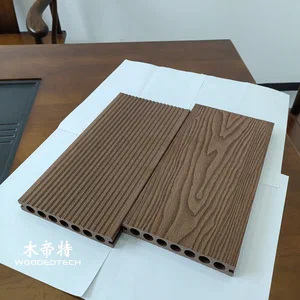 3D15023 First Generation 3D Embossed Composite Deck Boards With Stable Quality And High Performance For Premium Outdoor Projects
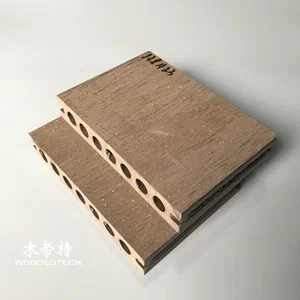 D13823 Round Hole Double Sided Flat WPC Bamboo Decking Boards With Strong Quality And Various Wood Grain Surface Treatments
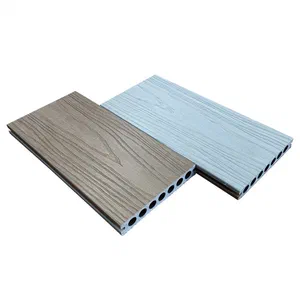 GD14521 Capped Composite Decking Boards Feature a Premium Round Hole Design with Two Colors and Two Usable Surfaces for Outdoor Applications