
Tongue and groove composite decking creates seamless outdoor flooring with easy installation
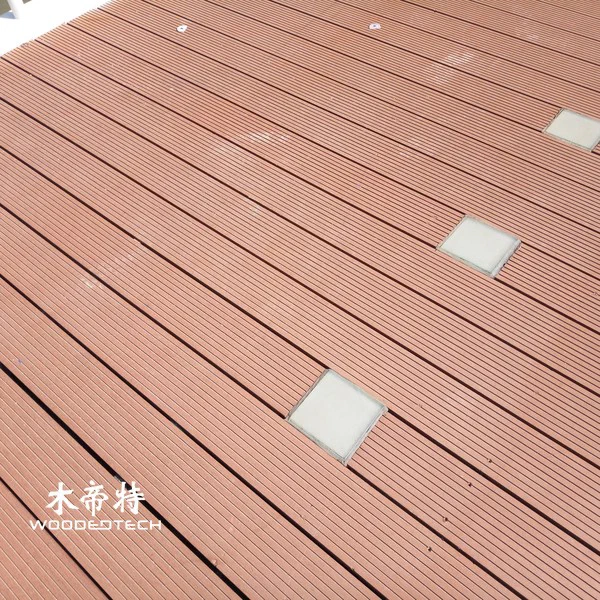
Tongue and groove composite decking is designed for a clean, seamless finish with faster installation and reliable outdoor performance. It works well for both deck flooring and wall cladding when the subframe, spacing, and fixing details are handled correctly.
Site Preparation and Subframe Setup
Start with a flat, stable base. For decking, the subframe should be level, well-drained, and built from treated timber or aluminum joists suitable for outdoor use. Keep joist spacing within the board manufacturer’s recommendation, because tongue and groove profiles need consistent support to avoid movement and flexing.
For wall cladding, check that the battens are straight, dry, and securely anchored to the wall. Leave enough airflow behind the boards to help the system dry out after rain. If the wall is uneven, pack the battens until the frame is true before any boards go up.
Cutting, Acclimation, and Expansion Gaps
Store the boards on a flat surface before installation and let them acclimate to the site temperature for a day or two. Cut boards with a fine-tooth blade to reduce chipping and keep the edges neat. Measure twice, since tongue and groove profiles must align accurately along the length of the run.

Expansion gaps are essential. Leave clear space at walls, posts, edging trims, and fixed points so the boards can move with heat and humidity. At board ends, do not force a tight joint unless the product is designed for it. Follow the recommended gap size for the climate and board length, and keep the same spacing throughout the project.
Fixing Method for Decking and Cladding
For decking, fix the first board straight and true, because every following board depends on it. Use hidden clips or manufacturer-approved fasteners where possible to preserve the seamless look. When clips are not part of the system, stainless steel screws should be driven at the correct angle and depth so the board is held firmly without crushing the profile.
For wall cladding, install from the bottom up, checking each row with a spirit level. Tongue and groove edges should lock cleanly, but do not overdrive the fixing points or the joint can distort. Around corners, openings, and trim pieces, make clean miters or use matching corner profiles for a finished appearance.
Maintenance Tips After Installation
Composite decking and cladding need far less upkeep than timber, but they still benefit from regular care. Sweep off dirt and rinse the surface with clean water. Use a soft brush and mild detergent for stubborn marks, and avoid harsh solvents or abrasive pads.
Inspect the subframe, fasteners, and edge gaps once or twice a year. Clear leaves and trapped moisture from the surface so drainage stays open. With correct installation and simple maintenance, tongue and groove composite systems stay neat, stable, and presentable for years.
FAQ
Q: Can tongue and groove composite decking be used for wall cladding? A: Yes, many profiles work for both applications if the manufacturer supports vertical installation. The key is correct battens, ventilation, and fixing method.
Q: Do composite boards need expansion gaps? A: Yes, expansion gaps are necessary at ends, edges, and around fixed points. They prevent buckling and help the system stay stable through seasonal changes.
Q: What is the best way to clean composite decking? A: Use water, a soft brush, and a mild cleaner for routine washing. Avoid pressure washing too close to the surface and never use metal scrapers.
Related Articles
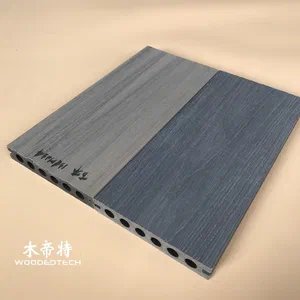 Joists for composite decking provide stable support systems for outdoor deck installation
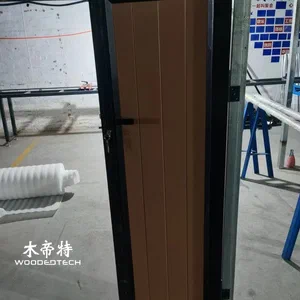 Composite decking 3mm hidden fasteners provide neat installation solutions for seamless outdoor deck surfaces
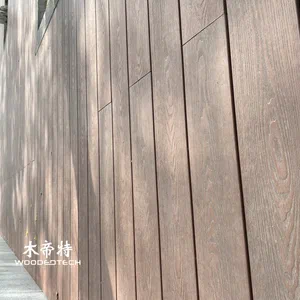 How to put plastic decking down with simple installation methods for outdoor applications
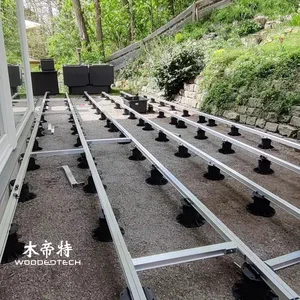 Replacing composite deck boards becomes easier with reliable outdoor WPC decking solutions
Related Products
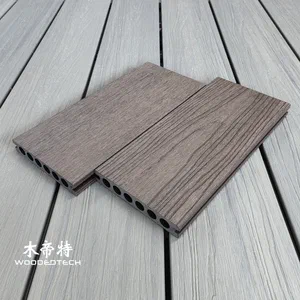 3DGD13823 Second Generation 3D Embossed Rosewood Composite Balcony Decking Delivers Ultra Realistic Wood Grain Texture and a Premium Natural Wood Experience
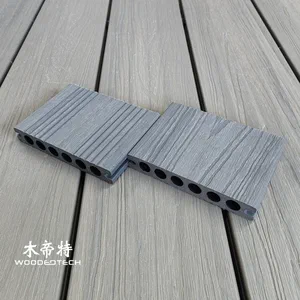 GD13823-3 Light Grey Premium Co Extrusion WPC Composite Decking Offers LG Texture and Excellent UV Resistance for Outdoor Spaces
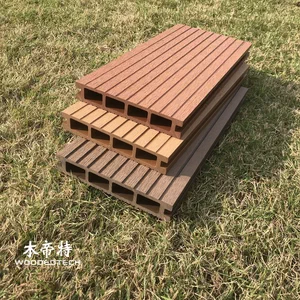 D14025-3 Square Hole Double Sided Grooved WPC Board Factory Producing Outdoor Decking Boards With Good Slip Resistance