
The Future of Manufacturing: Innovations in Composite M Materials for 2024
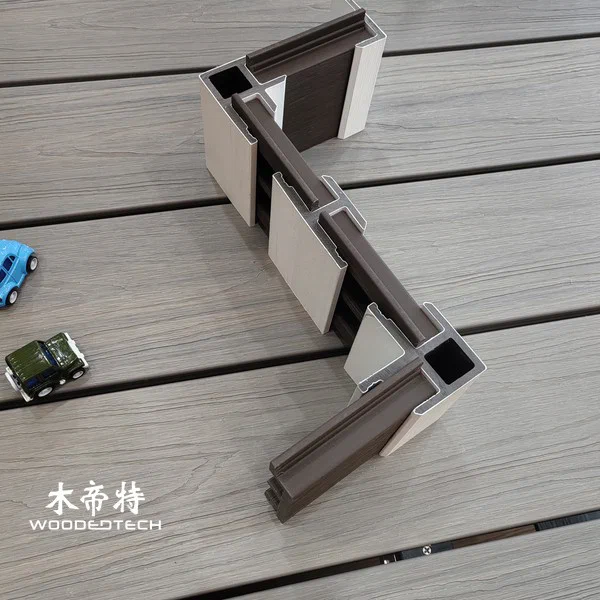
The global market for composite materials, particularly in outdoor applications, is evolving rapidly. As manufacturers gear up for 2024, innovations in composite decking, WPC wall cladding, fencing, pergolas, and landscape products are shaping future opportunities. A focus on sustainability, durability, and aesthetic appeal drives these developments, presenting significant prospects for businesses in this sector.
Market Trends and Innovations
The composite decking market is witnessing a growing preference for materials that combine aesthetic beauty with low maintenance requirements. Capped composite decking, which offers enhanced durability and resistance to fading, is gaining traction among homeowners and commercial builders alike. This trend is complemented by the introduction of 3D embossed composite decking, which mimics the look and feel of natural wood while providing superior weather resistance and anti-slip features.
In the realm of wall cladding, WPC options are increasingly popular for both residential and commercial applications. The introduction of 3D WPC wall panels allows for creative design possibilities, enhancing the visual appeal of buildings while ensuring longevity and ease of installation. These innovations cater to architects and designers looking to incorporate eco-friendly materials without sacrificing style.
Sustainable Solutions
As environmental concerns become more pressing, the demand for sustainable building materials continues to rise. Composite materials made from recycled plastics and wood fibers are appealing to eco-conscious consumers. Manufacturers are focusing on developing products that not only meet aesthetic and functional needs but also align with green building certifications. This shift presents an opportunity for businesses to market their products as sustainable alternatives, appealing to a broader audience.

Future Opportunities in Fencing and Pergolas
The fencing market is also evolving with a focus on durability and aesthetics. Composite fencing options, such as aluminum composite fence panels and modern composite fencing, are preferred for their resilience against the elements. These materials are designed to withstand harsh weather conditions while requiring minimal upkeep. Innovations in design, including customizable options, are making these products more attractive to consumers.
Similarly, the pergola market is shifting towards low-maintenance solutions. Composite pergolas, which can be designed to integrate seamlessly into outdoor spaces, are becoming increasingly popular. These structures not only offer shade but also enhance the overall landscape, making them a desirable addition to residential and commercial properties.
Landscape Products and Customization
Landscape products made from composite materials are gaining traction as well. From garden benches to planters, businesses are exploring ways to integrate sustainability into their outdoor offerings. The rise of bespoke WPC products allows for tailored solutions that meet specific customer needs, fostering a more personalized approach to landscaping.
Customization is a significant trend across all composite product categories. As consumers seek unique designs, manufacturers who can offer personalized solutions stand to gain a competitive edge. This demand for customization extends to colors, textures, and sizes, enabling clients to create distinctive outdoor environments.
Competitive Landscape
The competitive landscape for composite materials is intensifying as more players enter the market. Companies that prioritize innovation, quality, and sustainability will likely lead the way in capturing market share. Strategic partnerships and collaborations can further enhance product offerings, allowing businesses to leverage shared expertise and resources.
Conclusion
The future of manufacturing in the composite materials sector looks promising, driven by innovations that cater to evolving consumer demands. With a strong emphasis on sustainability, durability, and aesthetic appeal, companies that adapt to these trends will uncover new market opportunities. As we approach 2024, the focus on eco-friendly and customizable products stands to reshape the landscape of outdoor building materials.
Related Articles
 Innovative Solutions for Decking in WPC: Elevating Outdoor Spaces in 2023
 Exploring WPC Plywood: The Future of Sustainable Building Materials in 2023
 Exploring the Benefits of Synthetic Wood Ceiling Solutions for Commercial Spaces in 2023
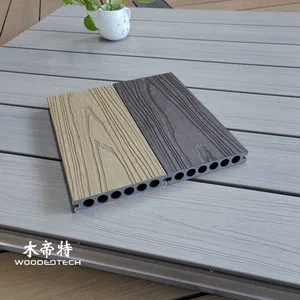 Exploring the Benefits of WPC Coffee: A Sustainable Solution for 2024
Related Products
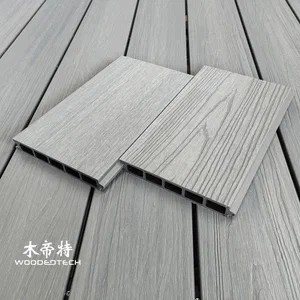 3DGL18024 Composite Decking Fence Features Premium Co Extruded 3D Embossed Antique Wood Grain Texture with Realistic Natural Wood Fibers
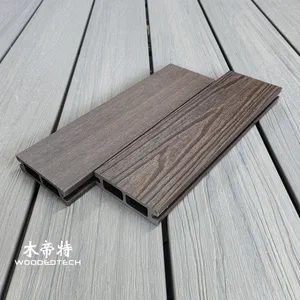 3DGL9024 Composite Decks and Railings Feature Premium Co Extruded 3D Embossed Rosewood Grain Texture with Realistic Natural Wood Fibers
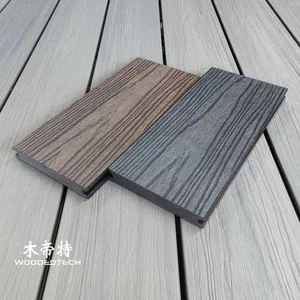 The 3DGD14023S Wood WPC Decking Combines Dual-Tone Rosewood and Dark Grey Colors with a Solid Core and Realistic 3D Embossed Wood Grain