
The Evolution of Composite Pergola Material: Benefits for Industrial Applications in 2023
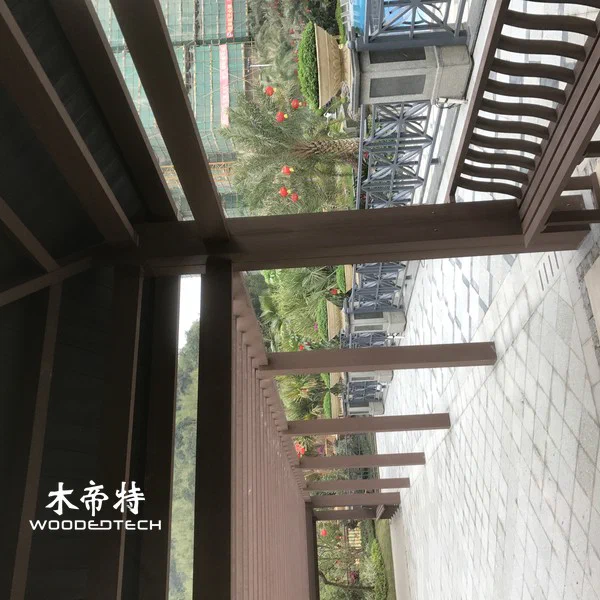
Designing high-performance outdoor wood plastic composites (WPC) for applications like decking, wall cladding, fencing, pergolas, and landscape products requires a careful balance of various components. The goal is to achieve durability, aesthetic appeal, and cost-effectiveness while ensuring a long product lifespan.
Key Components in WPC Formulation
The formulation of WPC involves several critical elements: wood fiber content, plastic ratio, and additives. Each of these components plays a vital role in determining the composite’s overall properties.
Wood Fiber Content: The amount of wood fiber significantly affects the mechanical properties, appearance, and performance of the WPC. Higher wood fiber content can enhance the natural look and feel, but it may also increase susceptibility to moisture and degradation. A typical range is between 30% to 70%, depending on the application.
Plastic Ratio: The plastic component, often polyethylene or polypropylene, provides the composite with resistance to water, UV light, and mold. Optimizing the ratio of plastic to wood fiber is crucial; too much plastic can lead to a less natural appearance, while too little can compromise durability. A balanced approach often yields the best results.
Additives: Various additives enhance performance, including UV stabilizers, anti-oxidants, colorants, and fire retardants. Each additive should be selected based on the specific environmental conditions the product will face. For instance, UV stabilizers are essential for outdoor applications to prevent fading and degradation.
Cost Control Considerations
While performance is paramount, controlling costs is equally important. The selection of raw materials and additives can greatly influence the final price of the WPC products. Manufacturers should consider utilizing recycled materials where feasible, as this can reduce costs and appeal to environmentally conscious consumers.
Additionally, sourcing local materials can help lower transportation costs and minimize the carbon footprint. Collaborating with suppliers to obtain bulk discounts can also lead to significant savings, allowing for competitive pricing in the market.
Product Lifespan and Durability
The longevity of WPC products is influenced by both the formulation and the manufacturing process. High-quality formulations, paired with advanced manufacturing techniques like co-extrusion, can dramatically improve product lifespan. Co-extruded WPC, for instance, features a protective outer layer that guards against moisture and UV damage, effectively extending its durability.
Another aspect to consider is the end-use environment. Products intended for high-traffic areas or harsh weather conditions may require additional reinforcements or specific formulations to enhance their resilience.
Applications in Industrial Settings
WPC is increasingly being utilized in industrial applications, especially for structures like pergolas and fencing. The versatility of WPC allows for creative designs while maintaining functionality. For example, composite pergolas can provide aesthetic appeal and weather resistance, making them ideal for commercial spaces that wish to create inviting outdoor areas.
The adaptability of WPC also means that it can be tailored to meet specific project requirements. Custom formulations can be developed to achieve desired colors, textures, and performance characteristics, ensuring that structures not only meet functional needs but also align with branding and design aspirations.
Incorporating all these factors leads to the creation of high-performance WPC products that are not only effective but also marketable. By balancing wood fiber content, plastic ratios, additives, and cost controls, manufacturers can produce durable and appealing outdoor solutions.

Related Articles
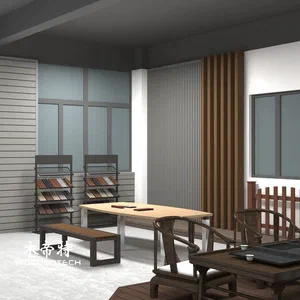 Understanding WPC: What Material Is It and Its Applications in Industry
 WPC Decking Swimming Pool Areas Create Safe And Attractive Outdoor Relaxation Spaces
 Wood Polymer Lumber Provides a Durable Alternative Material for Outdoor Construction Applications
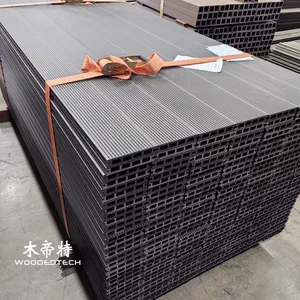 Choosing the Right WPC Fence Material: A Comprehensive Guide for Industry Professionals
Related Products
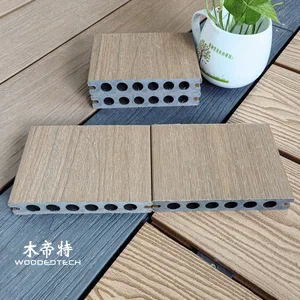 GD13823 Double Sided Flat Surface Co Extruded WPC Decking Features a Popular Width and Thickness with Round Hollow Structure
 GD13823-3 Composite Boards for Decking Are Available in Multiple Stock Colors with 3 Meter Lengths and Single Piece Delivery
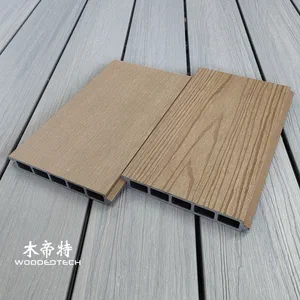 3DGL18024 WPC Longboard Fence Features Premium Co Extruded 3D Embossed Teak Wood Grain Texture with Realistic Natural Wood Fibers