
The Essential Guide to Choosing Composite Decking Waterproof Solutions for 2024
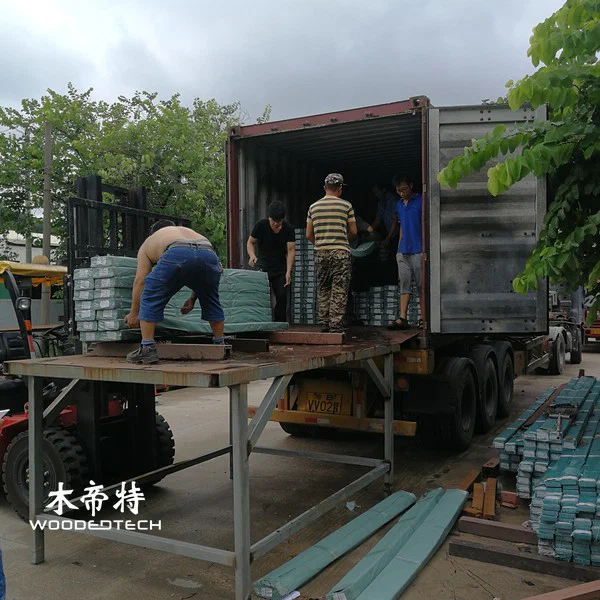
Designing high-performance outdoor wood plastic composite (WPC) formulas involves a careful balance of various materials and additives to achieve optimal performance for applications such as decking, wall cladding, fencing, pergolas, and landscape products. This guide will outline key considerations, including wood fiber content, plastic ratios, additives, cost control, and product lifespan.
Understanding Wood Fiber and Plastic Ratios

The ratio of wood fiber to plastic is fundamental in WPC formulation. A higher wood fiber content can enhance the natural appearance and feel of the composite while also improving mechanical properties such as stiffness and durability. However, excessive wood fiber can lead to moisture absorption issues, reducing the composite’s lifespan.
Typically, a successful WPC formulation balances between 30% to 70% wood fiber and 30% to 70% plastic. This ratio should be adjusted based on the intended application, environmental exposure, and desired aesthetics. For instance, decking products may require a slightly higher plastic content to enhance resistance to moisture and UV degradation.
Additives for Enhanced Performance
Additives play a crucial role in improving the performance characteristics of WPCs. Key additives include:
- UV Stabilizers: These protect the composite from sun damage, reducing fading and degradation over time.
- Antioxidants: Essential for prolonging the lifespan of the plastic component, preventing oxidative degradation.
- Colorants: Used to achieve desired aesthetics while ensuring uniformity and stability in color.
- Fire Retardants: Important for applications requiring compliance with safety standards.
- Anti-fungal Agents: Prevent mold and mildew growth, enhancing the longevity of outdoor products.
Integrating these additives effectively can enhance the composite’s performance while maintaining cost efficiency.
Cost Control Strategies
Cost management is critical in the formulation of high-performance WPCs. The selection of materials directly impacts the overall production cost. While high-quality wood fibers and advanced plastics can lead to superior performance, they also raise manufacturing expenses. To control costs without sacrificing quality, consider:
- Sourcing materials from multiple suppliers to find competitive pricing.
- Utilizing recycled materials where feasible, which can lower costs and appeal to eco-conscious consumers.
- Optimizing the production process to reduce waste and improve efficiency.
Balancing quality and cost is essential, particularly in a competitive market.
Product Lifespan Considerations
The lifespan of WPC products is influenced by several factors, including the formulation, environmental conditions, and maintenance practices. A well-designed WPC should provide durability and resistance to weathering, making it suitable for outdoor applications.
To enhance product lifespan:
- Choose high-quality plastic resins that offer excellent weather resistance.
- Incorporate co-extrusion techniques, which involve applying a protective layer of plastic over the wood composite core. This process improves durability and resistance to moisture, UV light, and wear.
- Provide clear maintenance guidelines for end-users to ensure the longevity of the product.
By focusing on these aspects, manufacturers can create WPC solutions that meet consumer expectations for durability and performance.
Final Thoughts
Designing high-performance outdoor wood plastic composites requires a thorough understanding of material properties and market demands. By balancing wood fiber content, plastic ratios, and incorporating effective additives while managing costs, manufacturers can create durable and aesthetically pleasing products. The right formulation not only meets current market needs but also ensures a robust lifespan, providing value to both manufacturers and consumers alike.
Related Articles
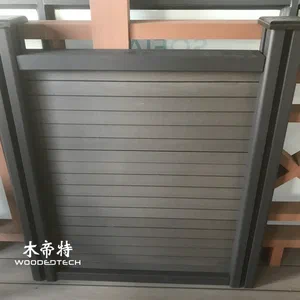 Innovations in Composite Wall Systems: Enhancing Industrial Efficiency in 2023
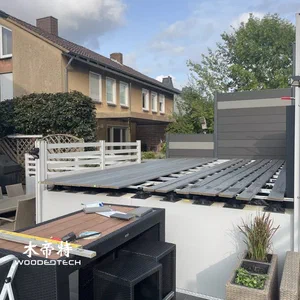 Maximizing ROI with Lifetime Composite Decks: The Future of Durable Outdoor Solutions
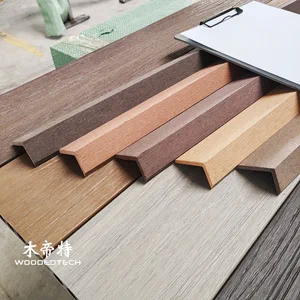 Exploring the Advantages of WPC Panel Ograde for Industrial Applications in 2023
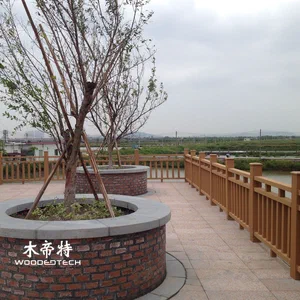 Top Considerations for Choosing the Best Composite Decking for Steps in 2023
Related Products
 GD13820 M Shape Co Extruded Composite Deck Planks Feature a Special Profile Design for Distinctive Outdoor Decking Applications
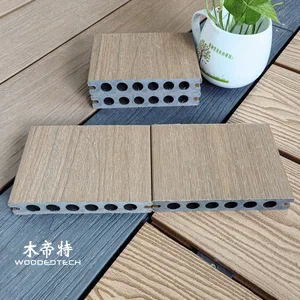 GD13823 Double Sided Flat Surface Co Extruded WPC Decking Features a Popular Width and Thickness with Round Hollow Structure
 GD13823-3 Composite Boards for Decking Are Available in Multiple Stock Colors with 3 Meter Lengths and Single Piece Delivery