
The Best Rated Composite Decking Material for Industrial Applications in 2023
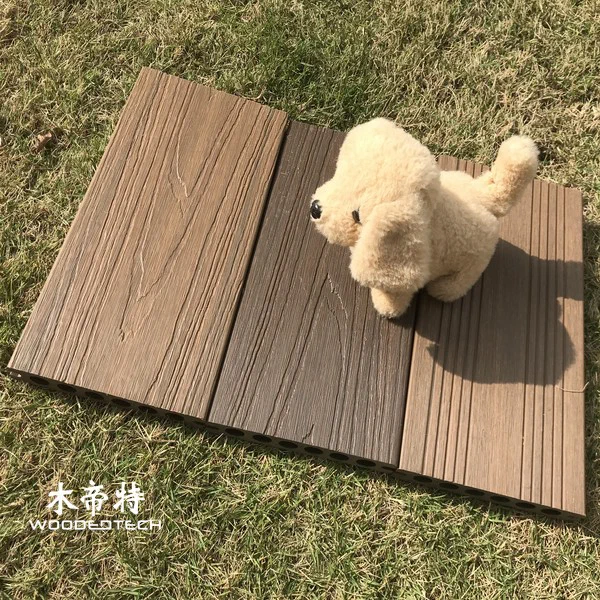
Designing high-performance outdoor wood plastic composite (WPC) formulations for applications like decking, wall cladding, fencing, pergolas, and landscape products requires careful consideration of several factors. The balance between wood fiber content, plastic ratio, additives, cost control, and product lifespan is crucial to achieving an optimal composite material.
The choice of wood fiber content plays a significant role in determining the properties of WPC. Higher wood fiber content typically enhances stiffness and provides a more natural appearance, but it can also lead to decreased moisture resistance and durability. Conversely, increasing the plastic ratio improves water resistance and flexibility, making the composite material more suitable for outdoor use. Finding the right balance is essential; a common approach is to target a wood fiber content between 40% to 60%, depending on the desired performance characteristics.
Additives and Performance Enhancements
Additives are vital in enhancing the performance of WPC formulations. They can include UV stabilizers, anti-fungal agents, colorants, and processing aids. UV stabilizers help prevent degradation and color fading due to sunlight exposure, while anti-fungal agents protect against mold and mildew. Additionally, incorporating a co-extrusion layer can provide an extra barrier against environmental factors, enhancing the product’s lifespan.
The selection of these additives should aim at maximizing performance while keeping costs manageable. Using lower-cost additives may help in reducing overall production costs but can compromise the long-term durability and appearance of the final product. A thorough evaluation of the cost-performance ratio for each additive should be conducted during the formulation process.
Cost Control and Market Competition

Cost control is an essential aspect of WPC formulation development, especially in a competitive market. Manufacturers must consider not only the cost of raw materials but also the manufacturing process and supply chain logistics. Sourcing materials locally can reduce transportation costs, while optimizing the production process can improve efficiency and lower labor costs.
It’s also important to keep an eye on market trends and consumer preferences. The demand for eco-friendly products is increasing, so incorporating recycled materials can provide a competitive edge while appealing to environmentally conscious customers. However, this must be balanced against potential impacts on performance.
Product Lifespan and Sustainability
The lifespan of WPC products is influenced by the formulation choices made during development. Selecting high-quality, resilient plastic materials can significantly enhance durability. Additionally, ensuring that the WPC products are designed for easy maintenance and repair can prolong their lifespan, making them more attractive to consumers.
Sustainability is becoming increasingly important in the construction and landscaping industries. Manufacturers can improve the sustainability of their WPC formulations by using responsibly sourced wood fibers and recycled plastics. This not only reduces the environmental impact but can also enhance brand reputation and customer loyalty.
Conclusion
Related Articles
 Innovations in Wood Plastic Composite Railing: Enhancing Durability and Aesthetics in 2023
 Choosing the Right Composite Deck Boards for Steps: A Comprehensive Guide for 2023
 Composite Teak for Durable Outdoor Decking Furniture Cladding and Landscape Applications
 Is Plastic Wood Toxic And What Makes WPC Materials Safe For Outdoor Applications
Related Products
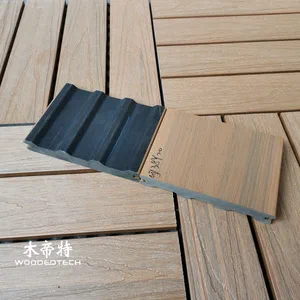 GD13820 M Shape Co Extruded Composite Deck Planks Feature a Special Profile Design for Distinctive Outdoor Decking Applications
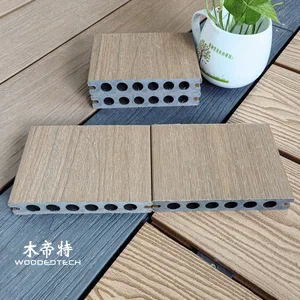 GD13823 Double Sided Flat Surface Co Extruded WPC Decking Features a Popular Width and Thickness with Round Hollow Structure
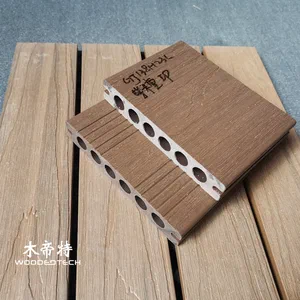 GD13823-3 Composite Boards for Decking Are Available in Multiple Stock Colors with 3 Meter Lengths and Single Piece Delivery