
The Benefits of Composite Wood Decking for Industrial Applications in 2023
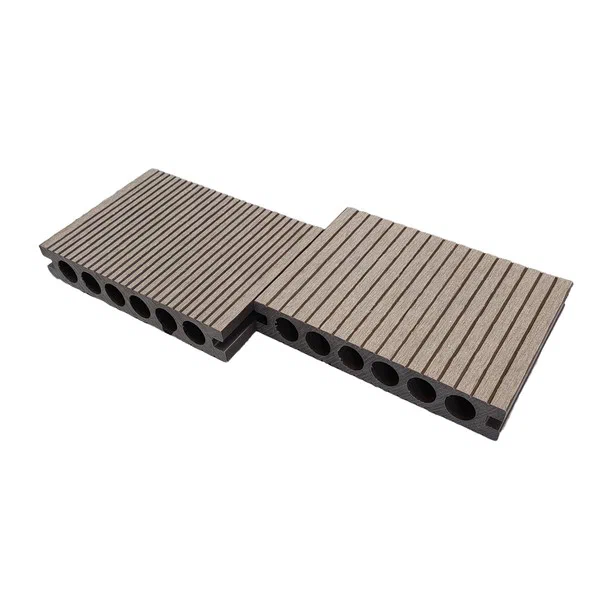
Composite wood decking offers a robust solution for various industrial applications, combining the benefits of wood and plastic to create durable and weather-resistant products. In this article, we will explore how key components such as wood powder, HDPE/PVC polymers, additives, pigments, and modifiers contribute to the performance and longevity of outdoor WPC (Wood Plastic Composite) products. We will also discuss practical inspection methods and quality standards to ensure these materials meet industry expectations.
Key Components of WPC
The composition of WPC products significantly impacts their durability and performance. The primary components include:
Wood Powder: This natural filler provides the aesthetic appeal of wood while enhancing the mechanical properties of the composite. The quality and type of wood powder can influence the strength and stiffness of the final product.
HDPE/PVC Polymers: High-density polyethylene (HDPE) or polyvinyl chloride (PVC) serves as the plastic matrix in WPC. These polymers contribute to the composite’s resistance to moisture, UV radiation, and mold, which are crucial for outdoor applications.
Additives: Various additives are used to improve the processing and enhance properties such as fire resistance, anti-aging, and color stability. For instance, UV stabilizers protect against degradation due to sunlight exposure.
Pigments: Color pigments are mixed into the WPC to provide a range of aesthetic options. The choice of pigments can affect the UV resistance and overall longevity of the color in outdoor conditions.
Modifiers: These can include coupling agents that enhance the bonding between wood and plastic, thus improving overall performance. They also help in reducing the effects of thermal expansion and contraction.
Impact on Durability and Weather Resistance
The combined effect of these components results in WPC products that excel in durability and weather resistance. Wood powder enhances the structural integrity, while HDPE/PVC polymers ensure water and weather resistance. Properly formulated additives and pigments not only improve appearance but also provide long-lasting protection against the elements.
To ensure optimal performance, a balance must be struck between the wood and plastic content. Too much wood can lead to mold growth, while excessive plastic can decrease strength. Therefore, maintaining the right ratios is critical.
Factory Inspection Methods
Quality control in a WPC manufacturing facility involves several inspection methods to ensure that materials meet specified standards:
Raw Material Testing: Before production begins, all components should undergo rigorous testing. This includes checking for moisture content in wood powder and analyzing the molecular weight and density of polymers.
Mechanical Testing: Samples of finished WPC products should be subjected to mechanical tests, such as tensile strength and impact resistance, to verify their durability.
Weathering Tests: Products should be exposed to simulated weather conditions to evaluate their resistance to UV radiation, moisture, and temperature fluctuations.
Visual Inspection: Regular visual inspections help detect surface defects, color inconsistencies, and any signs of degradation.
Quality Standards
Adhering to established quality standards is essential for ensuring product reliability. Key standards for WPC products include:
ASTM Standards: Various ASTM standards provide guidelines for testing the performance of WPC materials, including durability and safety.
ISO Standards: International Organization for Standardization (ISO) offers standards related to the environmental impact of WPC products, ensuring they are safe and sustainable.
Local Regulations: Compliance with local building codes and regulations for outdoor materials is necessary to meet safety and performance requirements.
By following these practices and standards, manufacturers can ensure that their composite wood decking products are not only visually appealing but also durable and reliable for industrial applications.

Through careful consideration of material composition, rigorous testing, and adherence to quality standards, WPC manufacturers can produce products that stand the test of time, making them an excellent choice for diverse outdoor uses.
Related Articles
 Innovative Applications of WPC Wood Flooring in Industrial Settings: 2023 Insights
 Evaluating Composite Decking Best Quality: Key Factors for Industrial Applications in 2023
 Maximizing Durability: The Importance of Composite Deck End Caps in 2023
 Maximizing Durability: The Role of Composite Deck Breaker Boards in 2023
Related Products
 GD13820 M Shape Co Extruded Composite Deck Planks Feature a Special Profile Design for Distinctive Outdoor Decking Applications
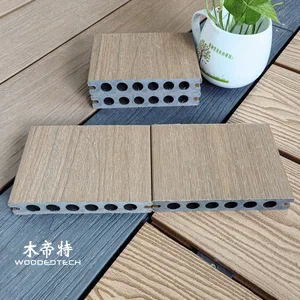 GD13823 Double Sided Flat Surface Co Extruded WPC Decking Features a Popular Width and Thickness with Round Hollow Structure
 GD13823-3 Composite Boards for Decking Are Available in Multiple Stock Colors with 3 Meter Lengths and Single Piece Delivery