
The Benefits of Composite Decking for Hot Tub Installations: A 2023 Guide for Contractors
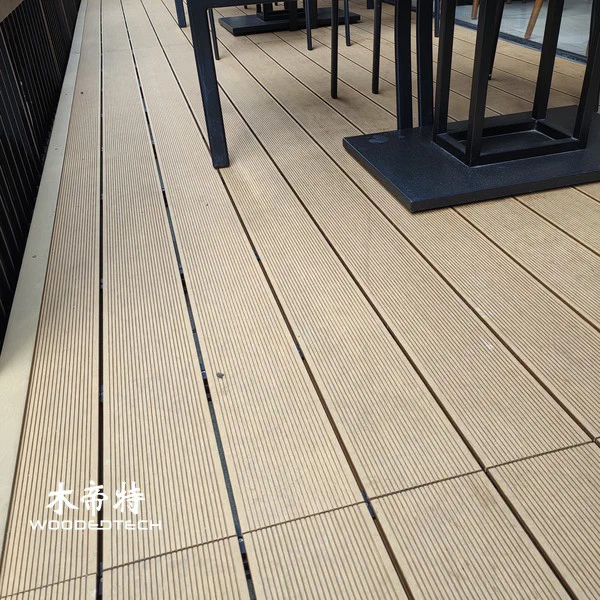
Composite decking has become a popular choice for hot tub installations due to its durability and low maintenance requirements. Architects and landscape designers appreciate WPC (Wood Plastic Composite) materials for their ability to withstand the elements while providing a stylish finish that enhances outdoor spaces.
Advantages of Composite Decking for Hot Tub Areas
One of the primary benefits of composite decking is its resistance to moisture and temperature fluctuations, making it ideal for areas surrounding hot tubs. Traditional wood can warp, crack, or rot when exposed to water and heat, while composite materials are engineered to endure these conditions without degrading. This longevity results in lower replacement costs and less frequent maintenance.
Composite decking is also designed to be slip-resistant, a crucial feature for wet environments. This safety aspect is particularly important in areas where people will be walking barefoot or where water can accumulate. Many composite products come with textured surfaces that enhance traction without sacrificing aesthetics.
Project Considerations
When planning a hot tub installation, several factors should be taken into account:
- Weight Support: Hot tubs can be heavy, especially when filled with water. Ensure that the underlying structure, including the composite deck, can support the load.
- Drainage: Proper drainage is vital to prevent water pooling, which can lead to mold and mildew growth. Consider sloping the deck away from the hot tub and incorporating drainage channels.
- Aesthetic Appeal: Choose composite decking colors and textures that complement the overall design of the outdoor space. Many manufacturers offer a range of styles, from traditional wood looks to modern finishes.
Material Selection Advice
Selecting the right composite material involves understanding the different options available. Here are some tips for making informed choices:
- Capped vs. Uncapped Decking: Capped composite decking features a protective layer that resists staining and fading, making it a better option for hot tub areas where spills are likely. Uncapped options may be more affordable but can require more maintenance.
- Quality Levels: Pay attention to the quality of the composite product. Higher-quality materials typically offer better durability and longer warranties, which can save you money in the long run.
- Color and Texture: Consider how the color and texture of the decking will look with the hot tub and surrounding landscaping. Choose options that enhance the outdoor space and provide a cohesive look.
Sustainability and Eco-Friendliness
Many composite decking products are made from recycled materials, making them an eco-friendly choice for environmentally conscious projects. Using WPC materials can contribute to sustainable building practices while also reducing the demand for virgin wood.
Conclusion

Incorporating composite decking into hot tub installations not only enhances the overall aesthetic and functionality of outdoor spaces but also provides a durable and low-maintenance solution. By carefully considering project requirements and selecting the right materials, architects and landscape designers can create safe, stylish, and resilient environments that stand the test of time.
Related Articles
 Maximizing Outdoor Spaces: Composite Decking Over Concrete for Durability in 2023
 Innovative Applications of Composite Deck Boards for Modern Industrial Projects
 Innovative Applications of Composite Board for Decking in Commercial Projects
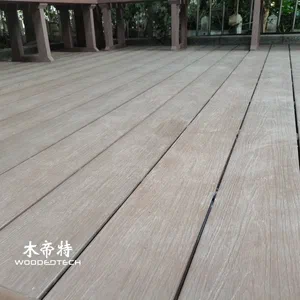 Best Practices for Composite Decking Spacing: A Comprehensive Guide for 2023
Related Products
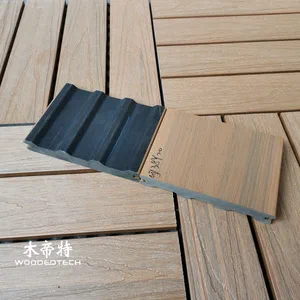 GD13820 M Shape Co Extruded Composite Deck Planks Feature a Special Profile Design for Distinctive Outdoor Decking Applications
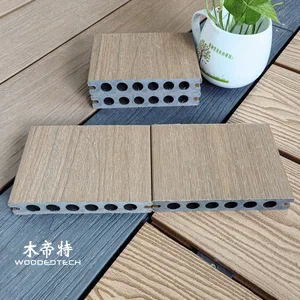 GD13823 Double Sided Flat Surface Co Extruded WPC Decking Features a Popular Width and Thickness with Round Hollow Structure
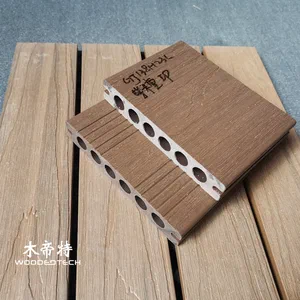 GD13823-3 Composite Boards for Decking Are Available in Multiple Stock Colors with 3 Meter Lengths and Single Piece Delivery