
The Advantages of WPC Fence Outdoor Solutions for Industrial Applications in 2023
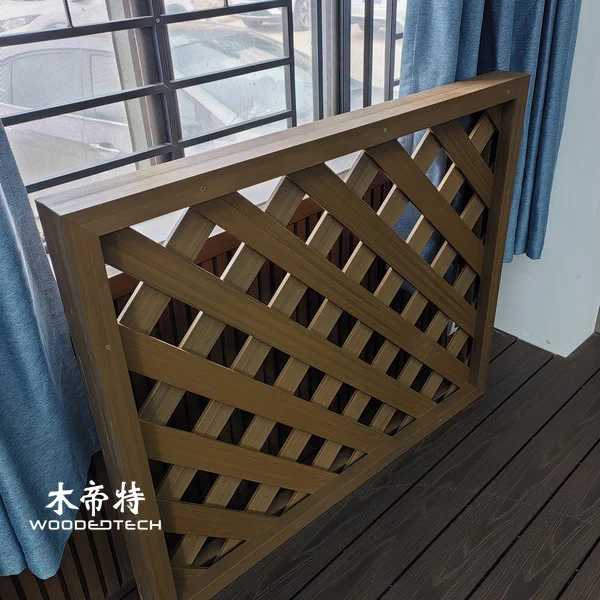
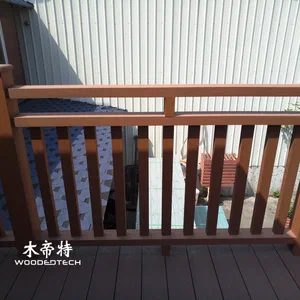
Outdoor wood plastic composite (WPC) fencing offers a sustainable solution for industrial applications, combining the benefits of recycled materials with enhanced durability and low maintenance. This innovative material not only minimizes wood consumption but also contributes to environmental conservation, making it an increasingly popular choice for businesses focused on sustainability.
Recycled Materials
One of the primary advantages of WPC is its composition. Made from a blend of recycled wood fibers and plastic, WPC utilizes materials that would otherwise contribute to landfill waste. By repurposing these materials, WPC helps reduce the environmental impact associated with traditional timber sourcing. This aspect of WPC not only supports recycling initiatives but also lessens the demand for virgin wood, which is crucial for protecting forests and biodiversity.
Reduced Wood Consumption
WPC significantly lessens the reliance on natural wood resources. Traditional fencing options often involve harvesting large quantities of timber, which can lead to deforestation and habitat destruction. In contrast, WPC provides a sustainable alternative that meets industrial needs without compromising the environment. This is particularly important as more companies strive to adopt green practices in their operations.
Durability
Durability is another critical factor contributing to WPC’s appeal. Unlike conventional wood fencing, which can warp, splinter, or decay over time, WPC boasts enhanced resistance to weathering, moisture, and pests. This longevity means that WPC fencing can endure harsh outdoor conditions without needing frequent replacements, making it a cost-effective solution in the long run. For businesses, investing in durable materials translates to fewer maintenance costs and reduced disruptions to operations.

Low Maintenance Advantages
WPC requires minimal upkeep compared to traditional wood fencing. It does not need staining, sealing, or painting, which can be both time-consuming and costly. A simple wash with soap and water is usually sufficient to maintain its appearance. This low-maintenance characteristic allows industrial facilities to allocate resources more efficiently, focusing on core operations rather than ongoing maintenance tasks.
The combination of sustainability, reduced wood consumption, durability, and low maintenance makes outdoor WPC fencing an ideal choice for industrial applications. As companies increasingly prioritize eco-friendly practices and seek to minimize their carbon footprints, WPC fencing offers a practical and responsible option that aligns with these goals.
Related Articles
 Evaluating Top Brands of Composite Decking for Sustainable Building Solutions
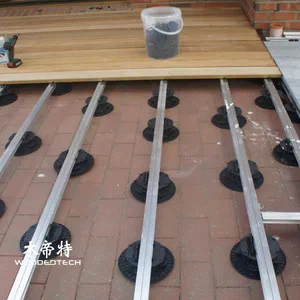 Exploring WPC Plywood: The Future of Sustainable Building Materials in 2023
 Innovative WPC Decking Platform Solutions for Sustainable Outdoor Spaces in 2023
 The Advantages of Composite Flooring for Industrial Applications: A 2023 Overview
Related Products
 GD13823-3 Composite Boards for Decking Are Available in Multiple Stock Colors with 3 Meter Lengths and Single Piece Delivery
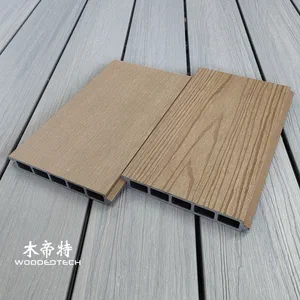 3DGL18024 WPC Longboard Fence Features Premium Co Extruded 3D Embossed Teak Wood Grain Texture with Realistic Natural Wood Fibers
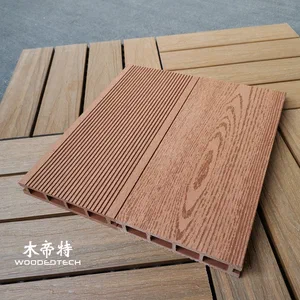 The Classic D14025-4 Red Wood WPC Wood Sheet Features a Timeless 2D Flat Wood Grain Design That Remains Popular After Twenty Years