
The Advantages of Composite Flooring for Industrial Applications: A 2023 Overview
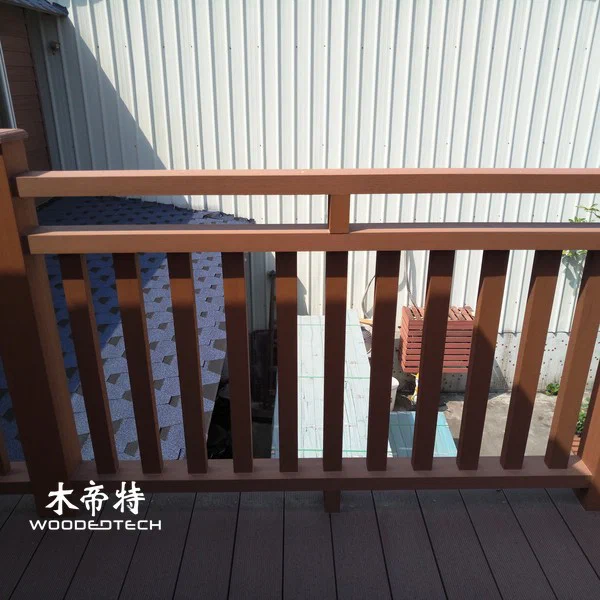
Outdoor wood plastic composite (WPC) materials have emerged as a leading environmentally friendly alternative for various applications. Their composition, which combines recycled materials with wood fibers and thermoplastics, significantly reduces the need for virgin wood, thereby conserving forest resources. This article explores the sustainable benefits of outdoor WPC, focusing on its use of recycled materials, decreased wood consumption, durability, and low maintenance requirements.
Recycled Materials in WPC
One of the key aspects of outdoor WPC is its use of recycled materials. Typically, WPC is made from a blend of recycled plastics and wood fibers sourced from post-consumer and post-industrial waste. This practice not only diverts waste from landfills but also reduces environmental pollution associated with plastic manufacturing. By repurposing these materials, WPC manufacturers contribute to a circular economy, promoting sustainability in the building materials sector.
Reduced Wood Consumption

Outdoor WPC significantly mitigates the demand for traditional timber. The production of composite materials requires less wood than conventional wood products, helping to alleviate the pressure on forests. As environmental concerns regarding deforestation rise, WPC presents a viable alternative that allows for the creation of beautiful outdoor spaces without contributing to the depletion of natural resources. This reduction in wood consumption is crucial in preserving biodiversity and combating climate change.
Durability and Longevity
WPC is renowned for its durability, making it an ideal choice for outdoor applications. Unlike traditional wood, which can warp, splinter, or decay over time, WPC is engineered to withstand harsh weather conditions. Its resistance to moisture, UV rays, and insects ensures a longer lifespan, reducing the frequency of replacements and repairs. This longevity not only benefits consumers through cost savings but also means fewer resources are needed over time, further supporting environmental sustainability.
Low Maintenance Advantages
Another significant advantage of outdoor WPC is its low maintenance requirements. Traditional wood decking often necessitates regular staining, sealing, and treatment to maintain its appearance and structural integrity. In contrast, WPC is designed to be easy to clean, requiring only occasional washing with soap and water. This ease of maintenance not only saves time and labor but also minimizes the use of harsh chemicals that can be detrimental to the environment.
The combined benefits of recycled materials, reduced wood consumption, durability, and low maintenance make outdoor WPC an attractive option for environmentally conscious consumers and businesses. As industries increasingly prioritize sustainability, WPC stands out as a solution that aligns with both ecological values and practical needs. By choosing outdoor WPC, stakeholders can contribute to a more sustainable future while enjoying the aesthetic and functional benefits that these innovative materials provide.
Related Articles
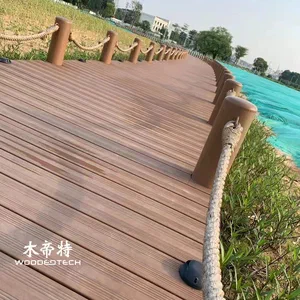 Innovations in Composite Boards for Decks: Enhancing Durability and Sustainability in 2023
 Innovations in Polymer Wood Composite: Enhancing Durability and Sustainability in 2023
 Exploring the Benefits of WPC Coffee: A Sustainable Solution for 2024
 Is Plastic Wood Toxic And What Makes WPC Materials Safe For Outdoor Applications
Related Products
 GD13823-3 Composite Boards for Decking Are Available in Multiple Stock Colors with 3 Meter Lengths and Single Piece Delivery
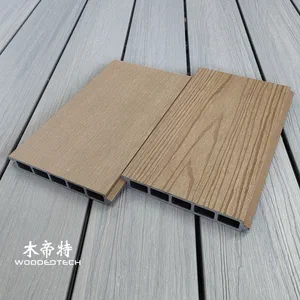 3DGL18024 WPC Longboard Fence Features Premium Co Extruded 3D Embossed Teak Wood Grain Texture with Realistic Natural Wood Fibers
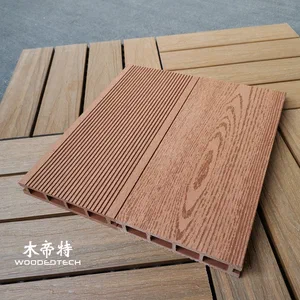 The Classic D14025-4 Red Wood WPC Wood Sheet Features a Timeless 2D Flat Wood Grain Design That Remains Popular After Twenty Years