
The Advantages of Composite Decking Timber Frame Solutions for Industrial Applications
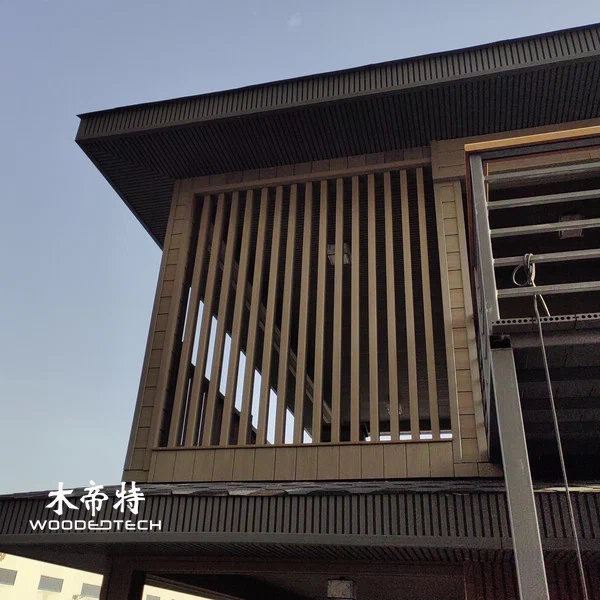
High-performance outdoor wood plastic composite (WPC) formulations are essential for creating durable and versatile products used in decking, wall cladding, fencing, pergolas, and landscape applications. Achieving the right balance between wood fiber content, plastic ratio, additives, cost control, and product lifespan is crucial for maximizing the benefits of WPC materials.
Balancing Wood Fiber and Plastic Content
The percentage of wood fiber and plastic in WPC formulations significantly impacts the material’s performance. A higher wood fiber content can enhance the aesthetic appeal and provide a more natural wood-like appearance, but it may also increase moisture absorption, leading to potential warping or decay over time. Conversely, increasing the plastic ratio improves durability, water resistance, and UV stability, but may compromise the visual appeal.
Typically, a balanced ratio of 60% wood fiber to 40% plastic yields excellent results for outdoor applications. This combination ensures that the final product retains the desired appearance while benefiting from the longevity and structural integrity provided by the plastic components.
Role of Additives in Performance
Additives play a vital role in enhancing the performance of WPC products. Key additives include:
- UV stabilizers: Protect against degradation caused by sunlight exposure.
- Antioxidants: Prevent oxidative degradation of the plastic matrix.
- Fire retardants: Improve fire resistance, essential for safety in industrial applications.
- Colorants: Provide aesthetic options to meet market demands.
Incorporating the right additives can elevate the performance of outdoor WPC products, extending their lifespan and ensuring they withstand varying environmental conditions.
Cost Control Strategies
While developing high-performance WPC formulations, cost control is a critical factor. The selection of materials, including wood fibers and plastics, can greatly influence the overall production costs. Using recycled materials, when possible, can help reduce costs without compromising quality. Additionally, optimizing the production process, such as extrusion techniques, can further enhance efficiency and reduce waste.
Maintaining a balance between cost and quality is essential. Investing in higher-quality raw materials may lead to better performance and longer-lasting products, ultimately reducing replacement costs over time.
Ensuring Longevity and Durability
The longevity of WPC products is a significant concern for manufacturers and consumers alike. To ensure durability, it is essential to focus on the formulation’s resistance to environmental factors such as moisture, UV radiation, and temperature fluctuations.
Incorporating a fully capped design can provide an additional layer of protection, enhancing the product’s resistance to scratches, stains, and fading. This not only extends the life of the product but also minimizes maintenance requirements, making WPC an appealing choice for industrial applications.
Applications in Industrial Settings
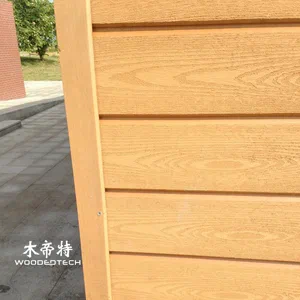
WPC formulations are versatile and can be adapted for various industrial applications beyond traditional decking. For instance, in wall cladding, the aesthetic appeal combined with durability makes WPC an ideal choice for both exterior and interior designs. Fencing solutions benefit from WPC’s low maintenance and resistance to weathering, making them suitable for long-term use in outdoor environments.

Additionally, products like pergolas and landscape features crafted from WPC can enhance outdoor spaces while providing structural integrity and resistance to the elements.
The careful design of high-performance WPC formulations allows for a range of applications, making them a valuable choice for industrial solutions. By focusing on the right balance of materials, additives, and cost-effective practices, manufacturers can deliver products that meet the demands of durability and aesthetic appeal in various environments.
Related Articles
Related Products
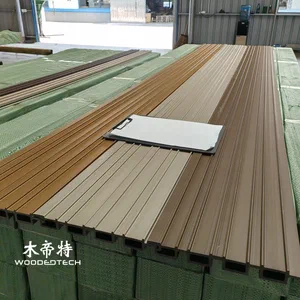
 GD13820 M Shape Co Extruded Composite Deck Planks Feature a Special Profile Design for Distinctive Outdoor Decking Applications
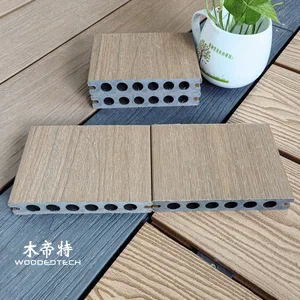 GD13823 Double Sided Flat Surface Co Extruded WPC Decking Features a Popular Width and Thickness with Round Hollow Structure
 GD13823-3 Composite Boards for Decking Are Available in Multiple Stock Colors with 3 Meter Lengths and Single Piece Delivery