
Textured Finish: embossed wood trim for Perfect Edge Detailing
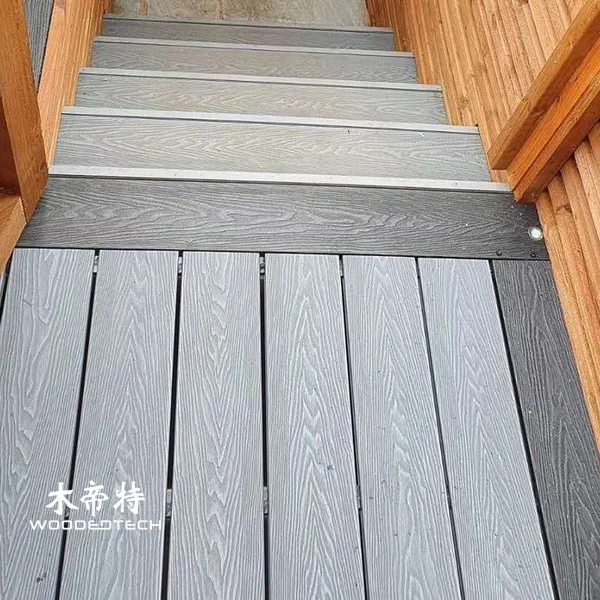
Textured finish and clean edge detailing are what turn a standard outdoor surface into a premium-looking system. Embossed wood trim gives decking, cladding, and panel installations a refined boundary line while helping projects achieve a consistent, professional finish. For buyers and fabricators, it is a practical way to combine visual depth with reliable performance.
Why embossed wood trim matters
In commercial and export projects, edge treatment is not just decorative. It helps define the final appearance, masks cut ends, and creates a smoother transition between boards, corners, and joints. A well-designed embossed surface also supports the wood-grain look that architects and end customers expect, especially on products such as decking borders, wall panel trims, and facade accents.
For manufacturers, the benefit is repeatability. Embossed profiles can be produced in consistent dimensions, making them easier to match with boards, panels, and accessory components. That consistency reduces installation errors and improves on-site efficiency. It also gives distributors a stronger product story: the trim looks premium, installs cleanly, and complements modern exterior systems.
Performance and application value

The texture itself plays an important role. A clear embossed pattern adds depth and helps the surface look more natural under daylight. This matters in B2B sales because buyers often compare products not only on price, but on how authentic the finish appears in real-world projects. A strong textured trim can improve the perceived quality of the entire system.
Choosing the right profile for your project
When sourcing embossed wood trim, check the profile size, wall thickness, color consistency, and compatibility with the main decking or cladding line. For export programs, it is also important to confirm packing standards, batch stability, and whether custom extrusion is available for specific edge details. The best suppliers can support OEM requirements, private label orders, and project-specific dimensions.
For wholesalers and contractors, the goal is simple: select a trim that protects the edge, matches the surface texture, and simplifies installation. That is what turns a basic material supply into a complete finishing solution.
FAQ
Q: Where is embossed wood trim used? A: It is commonly used on decking borders, wall panel edges, cladding transitions, and other exterior finishing details.
Q: Is embossed trim suitable for outdoor projects? A: Yes. When made from quality wood plastic composite material, it performs well in moisture-prone and weather-exposed environments.
Q: Can the profile be customized? A: Many suppliers offer custom dimensions, colors, and surface textures for OEM and project-based orders.
Related Articles

Related Products
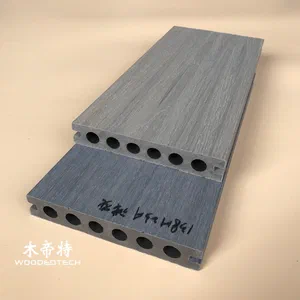 GD13823 Composite Decking Material Features Six Small Round Holes to Reduce Weight While Maintaining Structural Strength
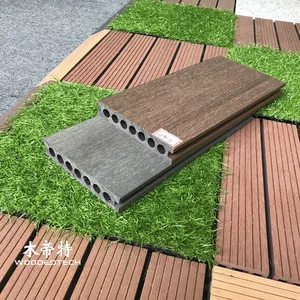 GD13823-2 Wood Versus Composite Decking Features Seven Round Holes with Wood Grain and Brushed Textures on Opposite Sides
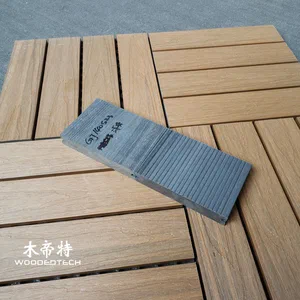 GD14023S Composite Deck Materials Feature a Solid Structure and Side Grooves for Better Adaptability in Extremely Cold Climates