
Technical Explanation: wpc flooring meaning and Material Composition
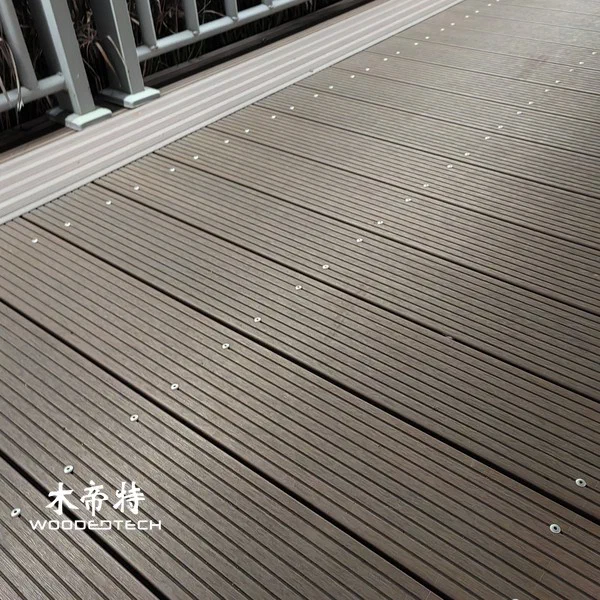
WPC flooring means wood-plastic composite flooring, a floor product made by combining wood-based fibers with thermoplastic resins and performance additives. For buyers, the term usually refers to a moisture-resistant, low-maintenance alternative to natural wood or PVC flooring, used in commercial, residential, and light industrial settings.
What WPC Flooring Means
In practical terms, WPC flooring is engineered rather than cut from a single material. The wood component provides stiffness, visual warmth, and a more natural look, while the plastic component improves resistance to water, swelling, and dimensional instability. This combination is why WPC products are widely specified for kitchens, balconies, retail interiors, and outdoor-adjacent spaces where regular wood can struggle.
The wording behind wpc flooring meaning matters because suppliers may use it differently. In many markets, WPC refers to a rigid core flooring system with a wear layer on top and a composite core underneath. In other cases, it may describe thicker outdoor boards or tiles made from similar composite chemistry. Buyers should confirm whether they are comparing indoor flooring, decking-style tiles, or full exterior boards before placing bulk orders.
Material Composition
A typical WPC formulation includes four main parts:
- Wood flour or wood fiber, usually from sawdust or recycled wood streams
- Thermoplastic resin, commonly polyethylene, polypropylene, or PVC depending on the product line
- Additives such as UV stabilizers, color masterbatch, lubricants, and coupling agents
- Surface protection, which may include embossing, coating, or a wear layer for scratch resistance
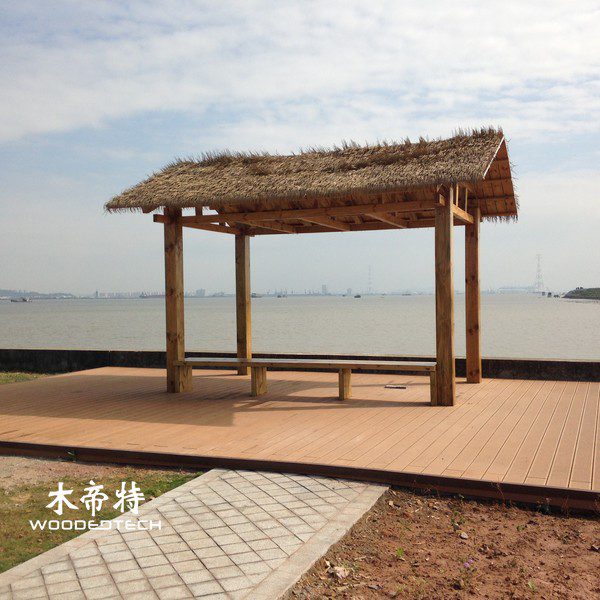

For procurement teams, material composition should be evaluated alongside thickness, density, slip resistance, expansion rate, and fire performance. These factors affect not only appearance, but also installation tolerances, service life, and warranty claims. In export projects, consistent composition is also important for matching technical documents, customs declarations, and repeat orders.
Why B2B Buyers Specify WPC
WPC flooring is usually selected when the project needs a stable surface with lower maintenance than timber. It can reduce repainting, sanding, and moisture-related repairs, which lowers lifecycle cost for hotels, offices, showrooms, and outdoor walkways. For distributors, the category is attractive because it bridges the gap between decorative flooring and durable composite building materials.
Q: Is WPC flooring the same as laminate flooring? A: No. Laminate usually has a fiberboard core, while WPC uses a wood-plastic composite core that handles moisture better.
Q: Can WPC flooring be used outdoors? A: Some products are designed for outdoor or semi-outdoor use, but not every WPC floor is rated for full exterior exposure.
Q: What should buyers check before sourcing WPC flooring? A: Confirm composition, thickness, wear layer, slip resistance, and the intended installation environment before comparing suppliers.
Related Articles
Related Products
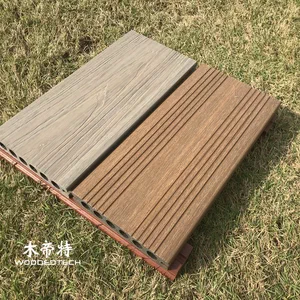 GD13823-3 Second Generation Co Extruded Wood Plastic Composites With High Quality Stable Performance For Premium Outdoor Applications
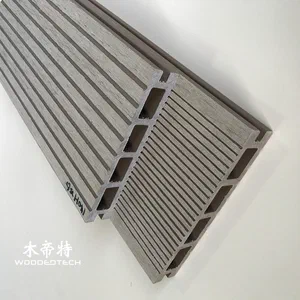 D14025-3 Composite Lumber for Decks Features a Classic Double Sided Groove Design with Excellent Value for Outdoor Projects
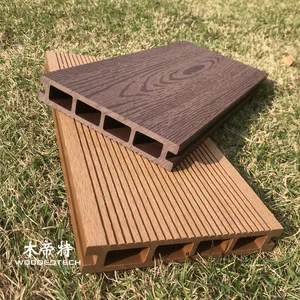 D14025-4 Composite for Decking Provides Stable Performance and Reliable Quality as a Popular Choice for Outdoor Projects