Teak Synthetic for Low Maintenance Outdoor Decking Furniture and Architectural Applications
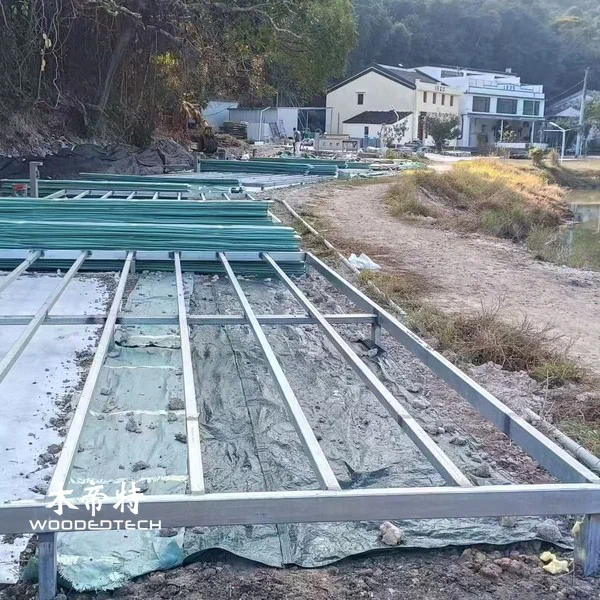
Teak synthetic materials are increasingly favored by architects and landscape designers for outdoor decking, furniture, and architectural applications. These wood plastic composite (WPC) products offer a perfect blend of durability and low maintenance, making them ideal for creating aesthetically pleasing and functional outdoor environments.
Advantages of Teak Synthetic Materials
One of the primary benefits of teak synthetic materials is their resistance to weathering, moisture, and pests. Unlike natural wood, synthetic teak does not warp, crack, or splinter, ensuring a long-lasting appearance and performance. This durability translates to lower maintenance costs and reduced need for repairs or replacements, which is particularly advantageous for commercial projects or high-traffic areas.
In addition to durability, synthetic teak materials are designed to mimic the rich aesthetic of natural teak wood. They come in various colors and textures, providing architects and designers with creative flexibility to match various design themes. The non-porous surface of WPC products also prevents staining, making them easy to clean and maintain.

Project Considerations
When selecting teak synthetic materials for a project, several considerations should be taken into account:
Location and Climate: Understanding the environmental conditions where the product will be installed is critical. WPC materials perform well in diverse climates but may have specific requirements based on UV exposure and moisture levels.
Intended Use: Consider the specific use of the decking or furniture. High-traffic areas require materials that offer superior durability and slip resistance, while decorative applications may prioritize aesthetics.
Budget: Evaluate the cost of materials alongside long-term maintenance savings. While synthetic teak may have a higher initial investment compared to traditional wood, its longevity and low upkeep often make it more cost-effective over time.
Material Selection Advice
When choosing teak synthetic materials, look for fully capped or co-extruded options that provide added durability and UV resistance. These variants often come with improved warranties and enhanced performance features. Additionally, select products with a proven track record or certifications that guarantee quality and sustainability, ensuring that the environmental impact is minimized.
Incorporating teak synthetic materials into your design can enhance the beauty and functionality of outdoor spaces while providing a sustainable and efficient solution for landscape architects and designers.
FAQ
Q: What are the main benefits of using teak synthetic materials?
A: Teak synthetic materials offer durability, low maintenance, and a wood-like appearance, making them ideal for outdoor applications.
Q: How does synthetic teak compare to natural wood in terms of maintenance?
A: Synthetic teak requires significantly less maintenance than natural wood, as it is resistant to weathering, pests, and stains.
Q: Can teak synthetic materials be used in all climate conditions?
A: Yes, teak synthetic materials are designed to withstand various climates, but it’s essential to consider specific environmental factors for optimal performance.
Related Articles
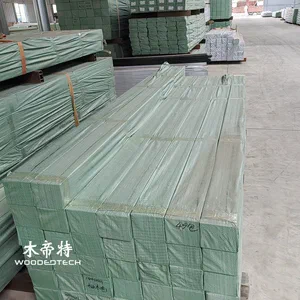 Solid Composite for Strong Durable Outdoor Decking Panels and Architectural Applications
 Composite Decking Lengths Provide Flexible Options For Different Outdoor Project Requirements
 14' Composite Deck Boards Provide Long Length Options for Large Outdoor Decking Installations
 Composite Deck Nosing Provides Professional Edge Finishing Solutions for Outdoor Decking Projects
Related Products
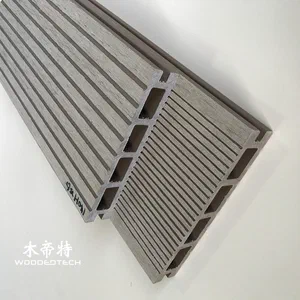 D14025-3 Composite Lumber for Decks Features a Classic Double Sided Groove Design with Excellent Value for Outdoor Projects
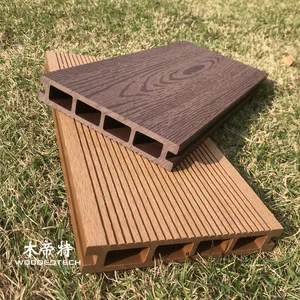 D14025-4 Composite for Decking Provides Stable Performance and Reliable Quality as a Popular Choice for Outdoor Projects
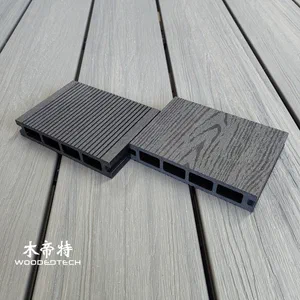 D14025-4 WPC Decking Boards Feature a Flat Wood Grain Surface with Black Ebony Heartwood Ring Grain for Outdoor Applications