Teak Composite Cladding: Performance, Durability, and Industrial Applications
Teak composite cladding is a practical exterior finishing solution for residential, commercial, and industrial buildings that need a natural wood appearance with reduced maintenance requirements. Made from wood fibers and thermoplastic polymers, this material combines decorative appeal with resistance to moisture, weather exposure, and everyday wear. Its versatility makes it suitable for building facades, garden structures, hospitality projects, public landscapes, and other outdoor environments.
What Makes Teak Composite Cladding Suitable for Exterior Applications?
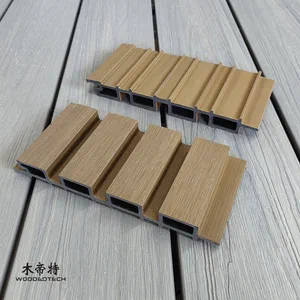
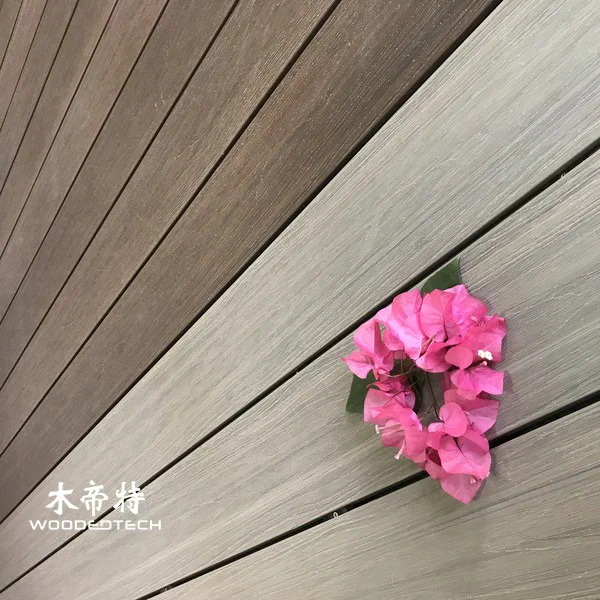
Teak composite cladding recreates the warm golden-brown tones and distinctive grain patterns of natural teak without relying on solid timber. Depending on the manufacturing process, surface treatments can produce realistic wood textures, consistent color distribution, and improved resistance to environmental exposure.
For exterior projects, material selection should focus on more than appearance. A suitable WPC cladding system should offer:
- Moisture resistance: Helps reduce water absorption, swelling, and deterioration compared with untreated timber.
- UV resistance: Formulations and surface coatings designed for outdoor use help limit fading and discoloration under sunlight.
- Dimensional stability: Properly manufactured profiles help maintain their shape during normal temperature and humidity changes.
- Low maintenance: No routine sanding, staining, or wood preservative treatment is generally required.
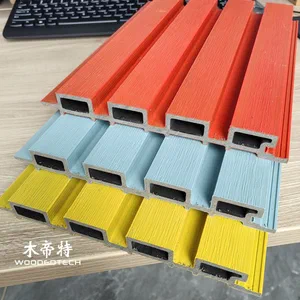
- Design flexibility: Available in different profile shapes, dimensions, textures, and installation orientations.
For demanding environments, co-extruded WPC cladding is worth considering. Its protective outer layer can improve resistance to staining, moisture penetration, and surface wear. However, actual performance depends on the polymer formulation, cap-layer quality, installation details, and environmental conditions.
Residential Applications: Gardens, Balconies, and Exterior Walls
In residential gardens, teak composite cladding works well on garden walls, outdoor kitchens, privacy screens, pergola structures, and decorative boundary features. Its natural wood appearance creates a consistent visual connection between landscaping and the building exterior.

For garden projects, horizontal or vertical cladding profiles can be selected according to the architectural style. Vertical installation can visually increase wall height, while horizontal profiles create a wider, more traditional appearance. When used around planting areas, designers should maintain sufficient clearance between the cladding and soil to prevent prolonged moisture exposure and debris accumulation.
Balconies are another suitable application. WPC wall cladding can improve the appearance of exposed balcony walls, while matching composite decking and railing systems help create a coordinated outdoor living space. For apartment buildings, lightweight profiles and secure fixing systems are important considerations, particularly on elevated balconies exposed to wind.
For residential exterior walls, installers should use a properly designed subframe and maintain adequate ventilation behind the panels. Expansion gaps must also accommodate temperature-related movement. These details help prevent deformation and extend the service life of the installation.
Commercial Landscapes, Hotels, and Swimming Pool Areas
Commercial landscapes require materials that balance appearance, durability, and maintenance costs. Teak composite cladding can be used on outdoor seating structures, landscape feature walls, reception areas, garden partitions, and decorative building facades.
Hotels and resorts can use teak-colored WPC products to establish a consistent outdoor design across different functional areas. Suitable applications include:
- Hotel entrance feature walls and exterior facade sections.
- Poolside cabanas, privacy screens, and decorative partitions.
- Restaurant terraces and outdoor dining structures.
- Garden walkways with matching composite decking.
- Spa surroundings and outdoor relaxation areas.
Swimming pool projects require additional attention to material specifications. Although WPC generally offers better moisture resistance than untreated wood, not every composite cladding product is designed for continuous exposure to water or pool chemicals.
For poolside applications, select products specifically approved for the intended environment. Avoid placing wall panels where they remain submerged or experience persistent water accumulation. Use corrosion-resistant fasteners, allow proper drainage, and choose compatible materials for areas exposed to chlorine, salt, or cleaning chemicals.
It is also important to distinguish wall cladding from pool decking. Cladding is primarily a vertical finishing product, whereas pool decking must meet specific requirements for slip resistance, drainage, and pedestrian loading.
Parks and Public Facilities: Durability Under Regular Use
Parks, recreational areas, and public facilities often experience heavier use than private outdoor spaces. Teak composite cladding can provide a consistent exterior finish for visitor centers, public restrooms, information kiosks, landscape shelters, and outdoor service buildings.
For park developments, WPC cladding can complement composite benches, pergolas, fencing, and decorative screens. Using coordinated materials helps create a unified landscape design while reducing the need for frequent timber maintenance.
Public projects should prioritize several engineering considerations:
- Impact resistance: Select suitable profile thicknesses and structural support for locations exposed to accidental contact.
- Fire performance: Verify applicable fire classifications and local building code requirements.
- Weather exposure: Specify appropriate UV-resistant formulations for outdoor installations.
- Fastening security: Use mechanical fixing systems suitable for public environments.
- Maintenance access: Design panel layouts that allow individual sections to be inspected or replaced.
For large public developments, project teams should request technical data sheets, installation manuals, relevant test reports, and warranty conditions before approving materials. These documents help confirm whether the selected product meets the project’s performance requirements.
Industrial and Large-Scale Architectural Applications
Beyond residential and landscape projects, teak composite cladding can be specified for selected industrial and commercial buildings where exterior appearance and maintenance efficiency are important.
Typical applications include office buildings within industrial parks, factory administration blocks, commercial warehouses, exhibition facilities, and employee recreation buildings. It can also be used for decorative facade sections, entrance structures, exterior partitions, and architectural screening systems.
However, WPC cladding should not automatically be treated as a structural building material. It is generally intended as a non-load-bearing decorative exterior finish. Industrial buildings with high fire-risk operations, elevated temperatures, chemical exposure, or strict fire-safety requirements need a more detailed material assessment.
For these projects, engineers should evaluate:
- Operating temperature and surrounding environmental conditions.
- Exposure to industrial chemicals, oils, and airborne contaminants.
- Wind pressure and mechanical fixing requirements.
- Fire classification and local compliance requirements.
- Subframe compatibility and long-term maintenance access.
Where the building requires enhanced fire performance, the project team should compare certified WPC products with alternative facade materials before making a final specification.
Installation and Material Selection Recommendations
The performance of teak composite cladding depends on both product quality and installation workmanship. Even a well-manufactured panel can develop problems if the substructure, ventilation, fastening, or expansion allowances are incorrectly designed.
Before installation, confirm that the supporting wall is suitable for the proposed fixing system. Use a level and properly aligned subframe to maintain consistent panel spacing. Provide ventilation and drainage behind the cladding, and follow the manufacturer’s specified fixing distances and expansion gaps.
Material selection should also reflect the intended application. Residential garden walls may prioritize appearance and affordability, while hotel facades and commercial landscapes may require enhanced UV protection and a more durable surface layer. Industrial projects need additional checks for fire performance, chemical exposure, and environmental suitability.
For international construction projects, buyers should also compare profile dimensions, color consistency, packaging specifications, production tolerances, and available technical documentation when evaluating WPC manufacturers. Requesting samples and testing them under representative project conditions can help prevent specification problems during bulk procurement.
Teak composite cladding offers a flexible way to combine natural wood aesthetics with the practical requirements of modern exterior construction. From residential gardens and hotel landscapes to commercial facades and industrial administration buildings, its value depends on matching the correct WPC formulation and profile design to the application. Careful engineering, appropriate installation, and verified product specifications are the foundations of a reliable outdoor cladding system.
Related Articles
 teak composite cladding offers realistic wood appearance with durable outdoor wall protection performance
 Composite Cladding for Shed: Durable, Low-Maintenance Building Solutions
 wpc cladding melbourne provides stylish exterior wall panel solutions for modern outdoor architecture projects
 wpc cladding sydney offers modern exterior wall decoration solutions for Australian outdoor building projects