
teak composite cladding offers realistic wood appearance with durable outdoor wall protection performance

Teak composite cladding gives projects the warm, familiar look of natural timber while delivering the weather resistance and low-maintenance performance needed for exterior walls. It is a practical choice for facades that must stay attractive in sun, rain, and humidity without the upkeep demands of real wood.
Why teak composite cladding stands out
Teak composite cladding combines wood fibers with polymer materials to create a wall covering that mimics teak grain and color more consistently than natural timber. For architects and buyers, the main appeal is visual: you get a wood-look facade with cleaner color uniformity, fewer surface defects, and better resistance to moisture, rot, and insects.
Compared with natural wood or traditional timber, outdoor WPC does not require frequent staining, sealing, or repainting. That makes it attractive for commercial buildings, villas, garden walls, and coastal projects where long-term appearance matters as much as technical performance.
Comparison with natural wood, timber, aluminum, and other exterior materials
Natural wood offers authentic texture and strong visual appeal, but it moves with moisture, fades under UV exposure, and needs ongoing treatment to prevent cracking and decay. Traditional timber can be economical at first, yet lifecycle costs rise quickly once labor, coatings, and replacement boards are included.
Aluminum performs very well in weather resistance and dimensional stability, and it suits modern architectural styles. Still, it can feel colder visually, dent under impact, and usually depends on factory finishes to achieve a wood appearance. Fiber cement and PVC cladding are also common exterior choices. Fiber cement is durable and fire-resistant, but heavier and more rigid; PVC is lightweight and moisture-resistant, but often lacks the depth and premium feel buyers want in a teak-look finish.

Teak composite cladding sits between these options. It offers a more realistic wood appearance than metal or plain plastic panels, with better outdoor durability than untreated wood and lower maintenance than timber. For many exterior wall applications, that balance is the deciding factor.
Advantages, limitations, and maintenance
Key advantages include:
- realistic wood grain and teak-like tone
- resistance to moisture, warping, and insect damage
- lower maintenance than natural wood
- stable performance for exterior wall protection
- good fit for modern facade and accent wall designs
Potential drawbacks should also be considered:
- higher upfront cost than basic timber or PVC
- surface color can still fade over many years if the product quality is low
- heat buildup and installation detail matter in strong-sun regions
- appearance is wood-like, not identical to real teak
Maintenance is simple: periodic washing with mild soap and water is usually enough. Unlike wood, it does not need regular oiling or repainting, but the wall system still depends on correct substructure design, ventilation, and fixing methods.
Lifecycle cost perspective
When comparing lifecycle cost, outdoor WPC often performs better than natural wood because maintenance frequency is much lower and service life is typically longer. Aluminum may have a similar or lower maintenance burden, but the cost of achieving a warm, natural look can be higher. For projects where appearance, durability, and predictable upkeep matter, teak composite cladding is often the most balanced long-term option.
FAQ
Q: Is teak composite cladding better than natural wood for exterior walls? A: For most outdoor projects, yes. It offers a wood appearance with much less maintenance, better moisture resistance, and more consistent long-term performance.
Q: Does WPC cladding need regular painting or sealing? A: No. It is designed for low maintenance and usually only needs basic cleaning to keep the surface looking good.
Q: How does teak composite cladding compare with aluminum cladding? A: Aluminum is stronger in some structural and fire-performance applications, but teak composite cladding delivers a warmer, more natural wood look and is easier to match to residential-style facades.
Related Articles
 wood plastic composite wall cladding philippines provides weather resistant exterior solutions for tropical climates
 wpc cladding gate designs combine decorative appearance with durable outdoor protection for entrance structures
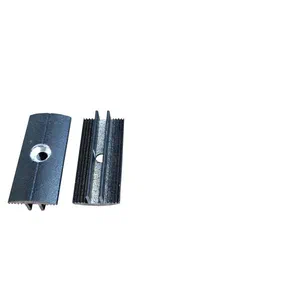 Outdoor WPC panel offers versatile applications for exterior walls fences and landscape projects
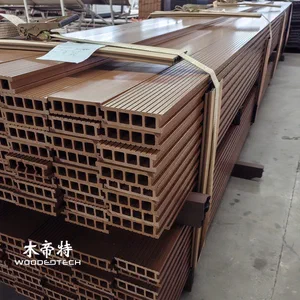 Outdoor WPC Wall Cladding for Modern Weather Resistant Building Exteriors
Related Products
 B14011 WPC Paneling Sheets Feature Double Flat Surfaces with Heat Pressed Wood Grain Designs for Outdoor Styles
 B7112 WPC Panel Design Exterior Boards Offer Stocked Fence Strips for Outdoor Decoration and Edge Finishing
 WPC Decking Accessories Provide Complete Installation Components for Professional Outdoor Flooring Projects