
Swimming pool wood plastic flooring provides a safe and stylish surface for outdoor areas
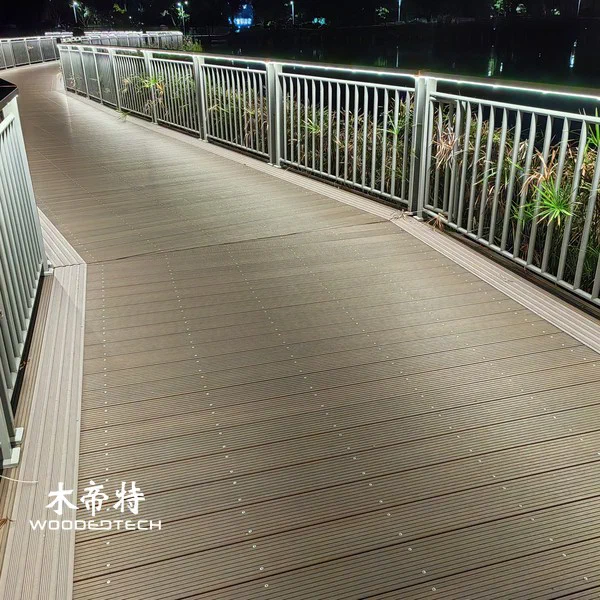
Swimming pool wood plastic flooring is a practical choice for outdoor spaces that need both safety and visual appeal. It combines the warm look of wood with the moisture resistance and low-maintenance performance of WPC, making it suitable for private and commercial projects alike.
Where outdoor WPC flooring works best
For residential gardens, WPC flooring creates clean walking paths, patio zones, and pool surrounds that stay comfortable underfoot and do not splinter like natural timber. In balconies and terrace areas, it helps upgrade small outdoor spaces with a neat finish while offering better weather resistance than many traditional materials.

Commercial landscapes, hotels, parks, and public facilities need surfaces that can handle frequent foot traffic, changing weather, and regular cleaning. Outdoor WPC products are well suited for these areas because they provide stable performance, a consistent appearance, and a more professional look across large installations.
Around swimming pools, the material is especially valuable. A good poolside floor should resist moisture, reduce slipping risk, and stay dimensionally stable in sun and rain. Wood plastic flooring delivers these advantages while keeping the space attractive for guests, residents, and visitors.
Professional application suggestions
For pool decks and wet zones, choose a slip-resistant surface texture and confirm that the product is designed for outdoor exposure. Drainage details matter just as much as the flooring itself, so the substructure should allow water to move away quickly and prevent standing water.
For gardens and commercial walkways, select colors and board profiles that match the surrounding landscape. Lighter tones can reduce heat buildup in sunny areas, while darker tones may work better for premium hospitality projects where a stronger visual contrast is preferred.
For balconies and rooftop terraces, focus on lightweight, waterproof flooring systems with reliable fastening. If the project is exposed to wind or repeated temperature changes, installation should allow for expansion and contraction so the surface remains stable over time.
Key points for project planning
- Use outdoor-grade WPC with UV and moisture resistance
- Match board profile and color to the site’s style
- Prioritize slip resistance for pool and public areas
- Design proper drainage and substructure spacing
- Confirm load requirements for balconies and elevated decks
Hotels and public facilities also benefit from a uniform material strategy. When WPC flooring is paired with matching railings, cladding, or seating elements, the project gains a cleaner architectural identity and easier maintenance scheduling.
FAQ
Q: Is WPC flooring suitable for swimming pool areas? A: Yes. It is a strong option for pool surrounds because it offers moisture resistance, stable performance, and a more comfortable walking surface than many hard materials.
Q: Can outdoor WPC be used in commercial projects? A: Yes. It is widely used in hotels, parks, landscapes, and public facilities because it handles traffic well and keeps a consistent appearance with low maintenance.
Q: What should be checked before installing WPC flooring on a balcony? A: Confirm load capacity, drainage, and fastening method. A proper installation system is essential for safety and long-term stability.
Related Articles
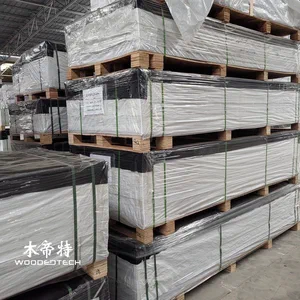 Cheapest wpc flooring provides cost effective choices for residential and commercial applications
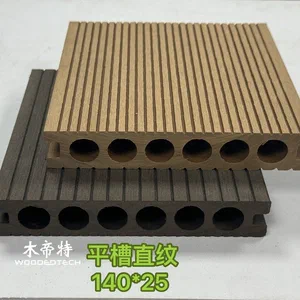 Wpc flooring pros and cons help buyers understand the benefits of composite outdoor materials
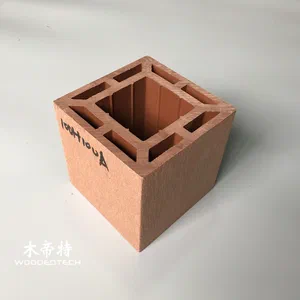 Wood plastic flooring provides a natural wood look with durable performance for outdoor environments
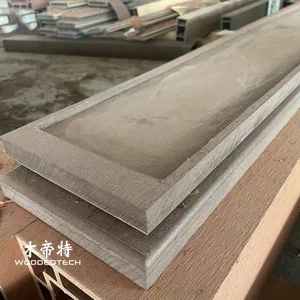 waterproof exterior decking offers durable outdoor flooring options for residential and commercial spaces
Related Products
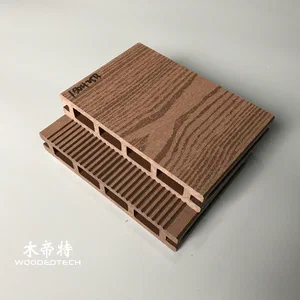 D15025-2 Classic Waterproof Insect Resistant Corrosion Resistant And Termite Resistant Composite Decking Types With Twenty Years Of Sales Experience
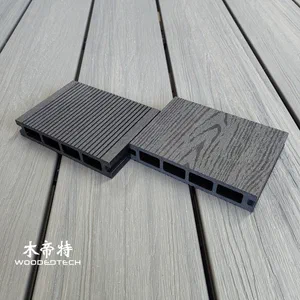 D14025-4 WPC Decking Boards Feature a Flat Wood Grain Surface with Black Ebony Heartwood Ring Grain for Outdoor Applications
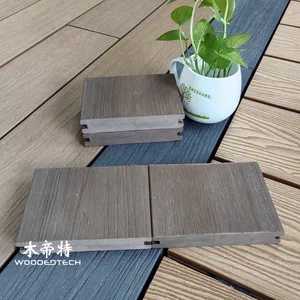 GD14025S Capped WPC Provides a Solid Board Structure for Better Load Bearing Performance and Reduced Space for Insects Inside the Board