
Sustainable Recycled Plastic Wood Decking - Heavy-Duty Anti-Slip Garden Flooring
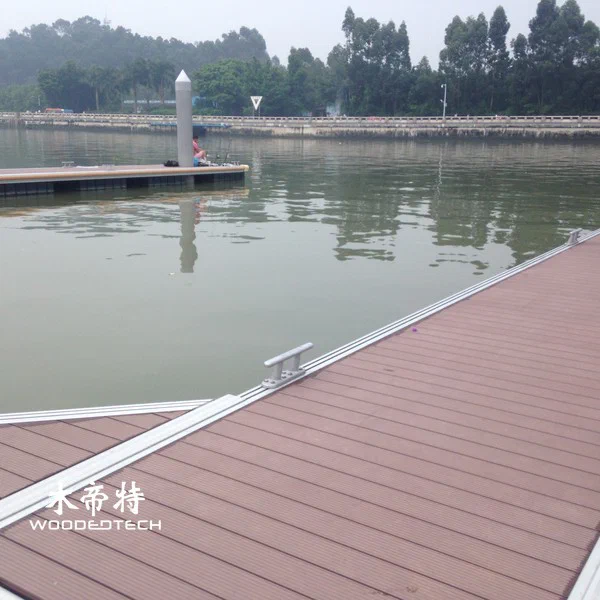
Sustainable recycled plastic wood decking gives industrial buyers a durable, low-maintenance flooring option for gardens, walkways, terraces, and outdoor public spaces. Built from recycled plastic and wood fibers, it delivers the look of timber with better resistance to moisture, rot, and daily wear.
Why Recycled Plastic Wood Decking Matters

Recycled plastic wood decking meets those requirements by combining reclaimed plastic and wood-based materials into a stable, weather-resistant product. It supports sustainability goals while helping project owners reduce long-term replacement and maintenance costs. That makes it a practical choice for buyers who need both environmental value and dependable performance.
What Makes It Heavy-Duty
Heavy-duty decking is not just about thickness. It is about structural stability, surface durability, and consistent performance under pressure. Recycled plastic wood decking is engineered for use in demanding outdoor environments where standard timber can crack, warp, or splinter.

- High resistance to moisture absorption
- Strong dimensional stability in changing temperatures
- Good load-bearing performance for commercial walkways and seating areas
- Resistance to rot, insect damage, and surface splintering
- Long service life with minimal upkeep
For B2B buyers, this means fewer callbacks, fewer maintenance interruptions, and a better total cost of ownership over the life of the project.
Anti-Slip Safety for Public and Garden Flooring
Outdoor flooring must remain safe in wet, shaded, or high-use areas. Anti-slip performance is especially important around pools, courtyards, garden paths, rooftop terraces, and hospitality spaces where water, dirt, and plant debris can create hazards.
Sustainable recycled plastic wood decking is often produced with textured or embossed surfaces to improve traction. This helps reduce slip risk in everyday conditions and supports safer movement for staff, residents, and visitors.
Typical anti-slip applications include:
- Garden walkways
- Hotel and resort decks
- Park seating zones
- Poolside surrounds
- Outdoor dining platforms
- Residential development communal areas
When specifying outdoor flooring for a project, slip resistance should be considered alongside drainage, cleaning methods, and expected traffic volume.
Sustainability Benefits for Project Buyers
Sustainability is now a real purchasing criterion, not just a marketing angle. Developers, contractors, and distributors increasingly look for materials that support recycled content, efficient use of resources, and lower lifecycle impact.
Recycled plastic wood decking contributes in several ways:
- Reuses plastic waste that might otherwise enter landfills or waterways
- Reduces demand for virgin timber
- Supports long-term use through durable construction
- Helps lower replacement frequency compared with untreated wood
- Aligns with green building and ESG-driven procurement targets
For projects with sustainability reporting requirements, this type of decking can help support documentation around responsible materials selection.
Common B2B Applications
This product is suitable for a wide range of commercial and institutional environments. Buyers typically choose it when they need outdoor flooring that balances appearance, safety, and low maintenance.
Common uses include:
- Garden flooring for residential and mixed-use developments
- Boardwalks and leisure paths
- Hotel, resort, and clubhouse decks
- Retail outdoor seating zones
- Public parks and landscape projects
- Educational and community facilities
- Factory or campus exterior walkways
Its wood-like appearance also makes it easier to integrate into landscape design than many industrial flooring materials.
Material Features Buyers Should Check
Not all decking products are the same. For procurement teams and project specifiers, product evaluation should go beyond color and price.
Important features to review:
- Surface texture and anti-slip rating
- Board profile and thickness
- UV resistance for color stability
- Water absorption performance
- Installation system and fastening compatibility
- Warranty terms and expected service life
- Fire and local code requirements where applicable
A reliable supplier should be able to provide technical data, installation guidance, and clear information about material composition. For export projects, buyers should also confirm packaging, container loading, and lead time expectations early in the process.
Installation and Maintenance Advantages
One of the main reasons commercial buyers prefer recycled plastic wood decking is the reduced maintenance burden. Unlike traditional timber, it does not require frequent sealing, staining, or repainting to remain functional outdoors.
Maintenance is usually limited to routine cleaning with water and mild detergent. That helps facilities teams keep outdoor areas presentable without specialized labor or chemicals.
Installation is also straightforward for professional crews when the product is supplied with compatible substructure systems and clear fixing instructions. Proper installation remains important, especially for drainage, expansion allowance, and long-term surface stability.
Choosing a Supplier for Export and Wholesale Projects
For B2B sourcing, supplier capability matters as much as product quality. Buyers should look for a manufacturer or exporter that can support consistent production, custom specifications, and repeat orders.
A strong supplier typically offers:
- Stable quality control across batches
- OEM or private-label support
- Export-ready packing and documentation
- Technical assistance for installation
- Flexible order quantities for project or wholesale use
- Custom colors, sizes, or surface finishes when needed
If the decking is being used in a larger landscape package, it can also be helpful to source matching accessories or related outdoor products from the same supplier to simplify procurement.
FAQ
Q: What is recycled plastic wood decking made from? A: It is usually made from recycled plastic combined with wood fibers or similar natural fillers, forming a durable outdoor composite material.
Q: Is it suitable for wet garden areas? A: Yes, it is designed for outdoor use and performs well in moisture-prone locations when installed correctly with proper drainage.
Q: Does anti-slip decking need special maintenance? A: No special maintenance is usually required beyond regular cleaning to remove dirt, algae, or debris that can affect traction.
Q: Can it be used for commercial projects? A: Yes, it is widely used in hotels, parks, residential developments, and other high-traffic outdoor spaces.
Q: Is recycled plastic wood decking environmentally friendly? A: It supports sustainability by reusing waste materials and reducing dependence on new timber, especially when sourced from responsible manufacturers.
Related Articles
Related Products
 F4030 wpc exterior solid decorative square strips provide versatile outdoor decoration and landscaping solutions
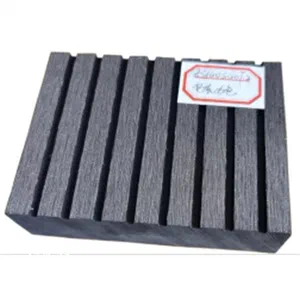 D14040-3S 40mm Thick Square Solid Plastic Wood Composite Flooring Without Side Grooves
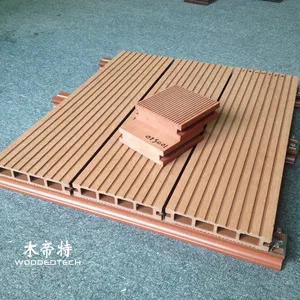 D10030S outdoor floor narrow board design offers an elegant appearance with solid structure and excellent load bearing performance