
Sustainable Plastic Wood Replacement Options for Traditional Timber
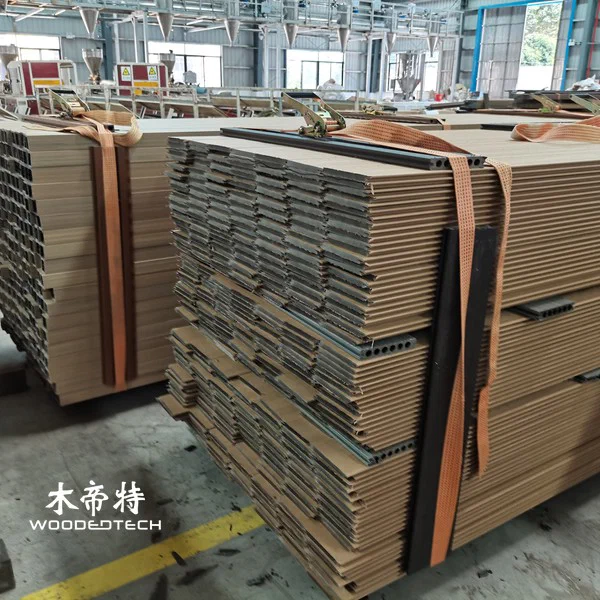
Sustainable plastic wood replacement options give buyers a practical way to reduce timber use without sacrificing appearance, durability, or outdoor performance. For B2B buyers in construction, landscaping, and fit-out projects, wood plastic composite and related materials offer a scalable alternative where moisture, rot, and maintenance costs are major concerns.
Why Buyers Are Switching
Traditional timber can be beautiful, but it also brings supply pressure, weathering, and recurring upkeep. Plastic wood replacement products are designed to address those issues with more consistent quality, better resistance to water and insects, and longer service life in demanding environments.
For commercial projects, the main value is predictability. WPC and recycled plastic wood products are easier to specify across large orders because they hold their shape, color, and performance better than many natural wood options. That makes them suitable for decking, cladding, fencing, screening, and exterior wall systems.
Main Material Options
The most common sustainable alternatives include:
- wood plastic composite
- recycled plastic wood decking
- composite cladding and wall panels
- WPC fencing and railing systems
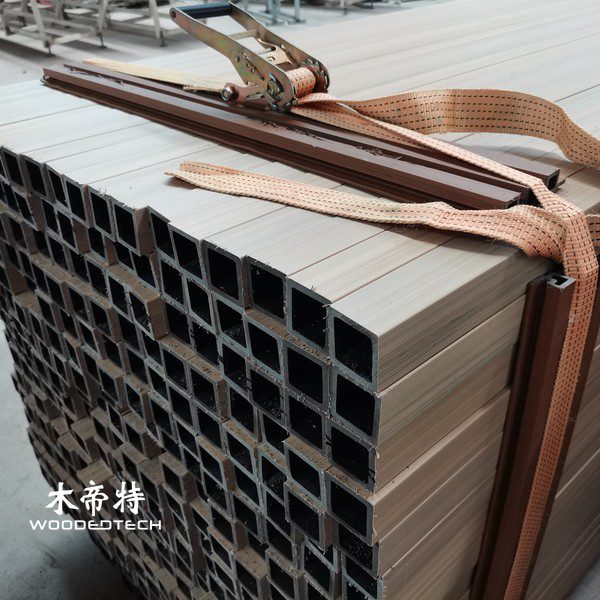

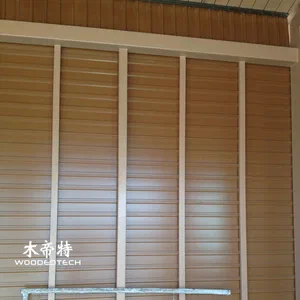
Plastic wood cladding and wall panels are especially useful where projects need a consistent architectural finish. They work well on facades, garden buildings, retail exteriors, and hospitality upgrades, offering a warm wood look without the same maintenance burden as painted timber.
Where They Work Best
These products are strongest in environments exposed to rain, UV, and heavy use. Decking around pools, rooftop terraces, public walkways, fencing around facilities, and outdoor seating areas all benefit from the material’s low-maintenance profile.
They also fit sustainability-led procurement. Recycled content, reduced replacement cycles, and lower finishing requirements can support broader environmental goals. For many buyers, that combination matters as much as the visual result.
What to Check Before Ordering
When sourcing at scale, compare:
- recycled content and raw material quality
- surface type, such as embossed, capped, or co-extruded
- slip resistance and weather performance
- available sizes, profiles, and color consistency
- supplier capacity for OEM or wholesale orders
A reliable supplier should be able to confirm technical specifications, installation guidance, and application limits. That is especially important for outdoor projects where expansion, drainage, and fastening details affect long-term performance.
FAQ
Q: Is plastic wood a true replacement for timber? A: In many exterior and semi-structural uses, yes. It is best viewed as a timber alternative for applications where durability and low maintenance matter more than natural grain variation.
Q: What is the biggest advantage of WPC products? A: They reduce maintenance while offering stable performance in wet and sun-exposed conditions. That makes them attractive for commercial projects with long service expectations.
Q: Are these products environmentally friendly? A: They can be, especially when made with recycled content and sourced from responsible manufacturers. Buyers should still check material composition and supplier claims carefully.
Related Articles
Related Products
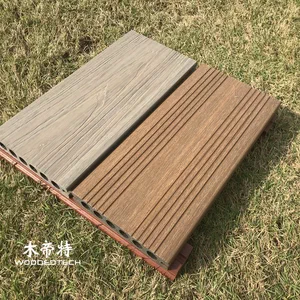 GD13823-3 Second Generation Co Extruded Wood Plastic Composites With High Quality Stable Performance For Premium Outdoor Applications
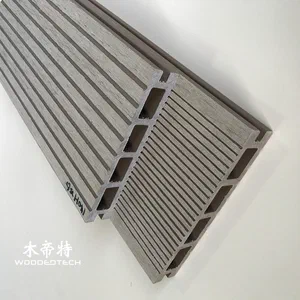 D14025-3 Composite Lumber for Decks Features a Classic Double Sided Groove Design with Excellent Value for Outdoor Projects
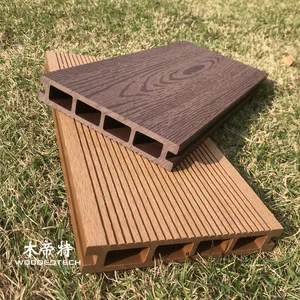 D14025-4 Composite for Decking Provides Stable Performance and Reliable Quality as a Popular Choice for Outdoor Projects