
Structural Timber Alternative: composite decking joists 50x50 Support
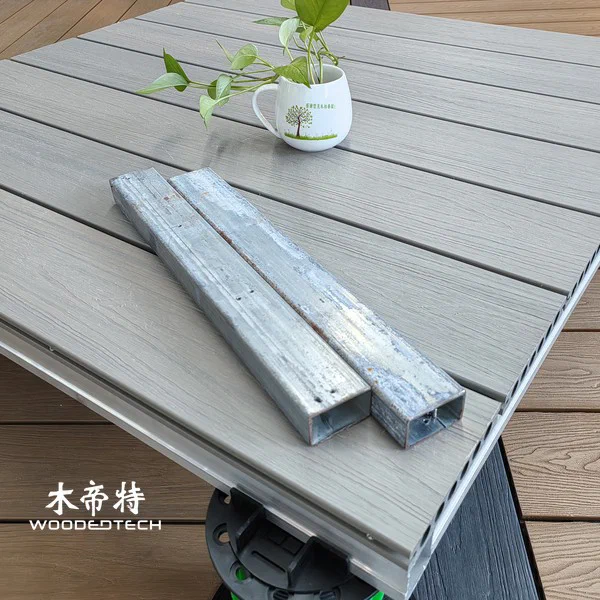
Composite decking joists in 50x50 section are a practical structural timber alternative for many outdoor subframes, especially where moisture, rot resistance, and long service life matter. For B2B buyers, they offer a stable option for decking systems, raised platforms, and low-maintenance exterior builds where consistent quality is more important than traditional timber sourcing.
Why 50x50 composite joists are used
A 50x50 composite joist is typically chosen as part of a secondary support structure rather than a primary load-bearing frame. In commercial decking projects, it can reduce issues linked to timber movement, insect damage, and repeated preservative treatment, which helps lower maintenance over the asset life. That makes it a strong fit for hospitality terraces, public walkways, rooftop leisure areas, and modular outdoor installations.
Compared with structural timber, composite joists usually provide more predictable dimensions and better resistance to moisture exposure. That consistency can simplify installation, improve alignment under decking boards, and reduce callbacks caused by warping or splitting. For specifiers, the main benefit is not just durability, but a more controlled installation outcome across multiple sites.
What buyers should check before specifying
50x50 composite joists are not a universal drop-in replacement for every timber member. Span, fixing method, load class, and sub-base design all need to be confirmed against the manufacturer’s guidance and the project’s structural requirements. Where the deck carries heavier foot traffic, furniture loads, or equipment, the joist layout may need closer spacing or additional support points.
It is also important to match the joist material to the decking board system. Some composite decking boards require specific screw types, hidden fasteners, or ventilation gaps, and the substructure must support those details without trapping water. For outdoor commercial use, UV resistance, slip performance, and compatibility with aluminum or recycled plastic pedestals can also influence the final specification.

Best-fit applications for B2B projects
50x50 composite joists are most effective in projects that prioritize speed of installation and low lifecycle maintenance. Common uses include:
- raised deck subframes
- balcony and terrace support systems
- modular outdoor flooring
- coastal or high-humidity environments
- replacement schemes for aging timber substructures
For sourcing teams, the value lies in standardization. Once a joist system is approved, it can often be repeated across multiple projects with fewer material variations and less site-dependent rework. That helps contractors, distributors, and project owners maintain consistency while reducing exposure to timber supply fluctuations.
FAQ
Q: Are 50x50 composite joists strong enough for commercial decking? A: They can be suitable for many light to medium-duty applications, but the final design must follow span tables and load requirements. Always verify the intended use before specifying.
Q: Can composite joists replace treated timber completely? A: In many subframe applications, yes, but not in every structural role. Primary load-bearing elements may still require engineered timber, steel, or another approved system.
Q: Do composite joists need special installation methods? A: They usually need correct spacing, ventilation, and compatible fixings. Following the manufacturer’s installation guide is essential for performance and warranty support.
Related Articles
Related Products
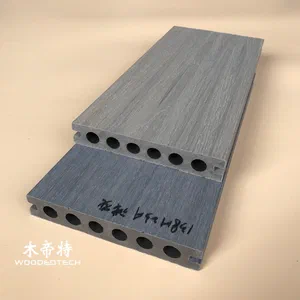 GD13823 Composite Decking Material Features Six Small Round Holes to Reduce Weight While Maintaining Structural Strength
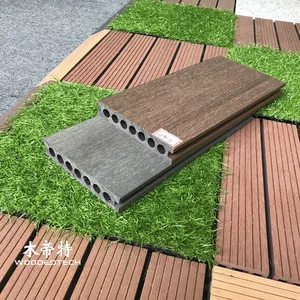 GD13823-2 Wood Versus Composite Decking Features Seven Round Holes with Wood Grain and Brushed Textures on Opposite Sides
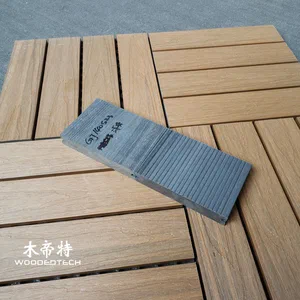 GD14023S Composite Deck Materials Feature a Solid Structure and Side Grooves for Better Adaptability in Extremely Cold Climates