
Structural Composite Decking 2 x 4 Profiles for Outdoor Construction
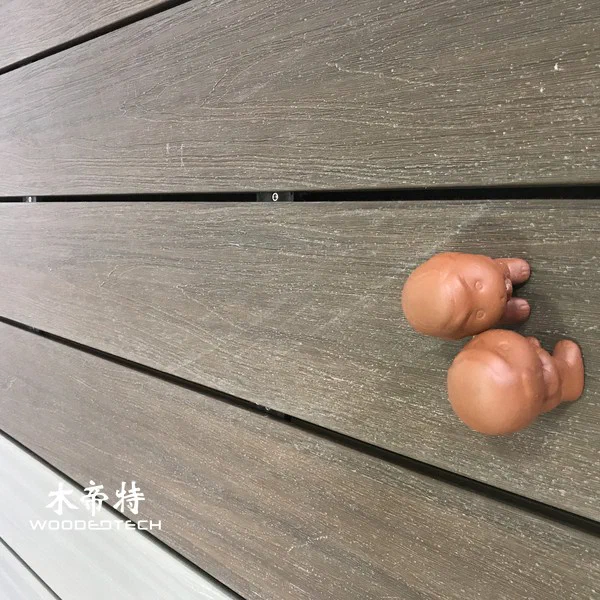
Structural composite decking 2 x 4 profiles are designed for outdoor construction projects that need stable dimensions, weather resistance, and consistent appearance across long runs. For contractors, distributors, and OEM buyers, these profiles offer a practical alternative to traditional timber in decks, platforms, frames, and site-built exterior structures.
Why 2 x 4 Composite Profiles Matter
A 2 x 4 profile is useful because it fits familiar framing logic while reducing many of the problems associated with wood. In structural applications, buyers typically look for reliable thickness, low moisture absorption, and predictable load behavior, especially when the material will be exposed to sun, rain, and temperature swings.
Composite profiles are also valued for production consistency. Unlike natural timber, they reduce variation in knots, warping, and splitting, which helps maintain installation speed and simplifies project planning. That matters in commercial outdoor builds where labor time and replacement costs are closely watched.
Typical Uses in Outdoor Construction
These profiles are commonly used for substructures, edge framing, pergola components, screening systems, and other exterior support elements that benefit from a clean, uniform section size. They are also suitable for modular construction where repeated lengths and precise alignment are important.
For procurement teams, the main advantage is versatility. One profile can support multiple product lines, from decking systems to façade frameworks and landscape structures. That makes sourcing easier and can reduce the number of separate SKUs required for a project.

What Buyers Should Check
Not every composite profile is suitable for structural exposure. Buyers should confirm the material formulation, wall thickness, UV stability, fastening method, and any available testing data for strength or long-term outdoor performance. If the profile will support load-bearing use, the supplier should provide clear technical specifications rather than general marketing claims.
It is also worth checking whether the profile is intended as a finish component or a structural member. Some products are optimized for appearance, while others are engineered for higher rigidity and better dimensional stability. Matching the product to the application avoids installation issues later.
Procurement and Supply Considerations
For B2B buyers, the most useful suppliers are those that can support custom lengths, consistent batch quality, and repeatable lead times. If a project requires matching accessories, private label packaging, or coordinated finishes, that should be confirmed before ordering.
Bulk orders should also be evaluated on total landed cost, not just unit price. Freight efficiency, packaging protection, and waste rate can have a bigger impact on margin than a small difference in quoted material cost.
FAQ
Q: Are structural composite decking 2 x 4 profiles load-bearing? A: Some are, but not all. Buyers should verify the supplier’s structural data and intended use before specifying them for load-bearing applications.
Q: Can these profiles replace treated lumber outdoors? A: In many exterior applications, yes, especially where moisture resistance and low maintenance matter. The right choice depends on span, load, and local building requirements.
Q: What makes composite profiles attractive for B2B buyers? A: They offer consistent sizing, weather resistance, and lower maintenance than wood. That combination helps reduce installation risk and long-term service costs.
Related Articles
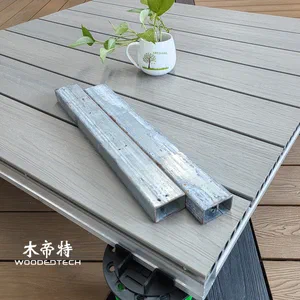
Related Products
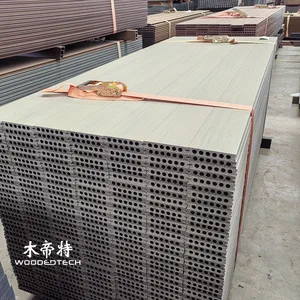
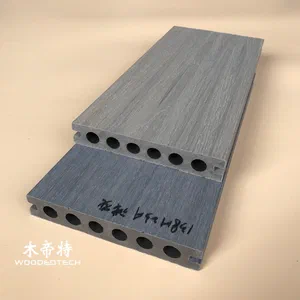 GD13823 Composite Decking Material Features Six Small Round Holes to Reduce Weight While Maintaining Structural Strength
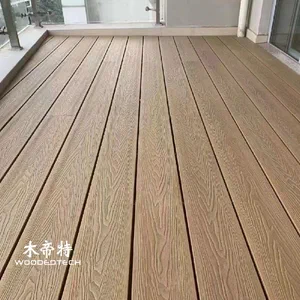
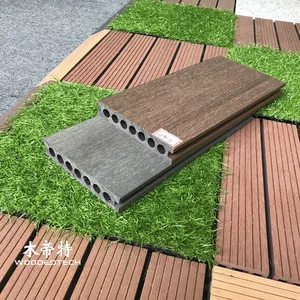 GD13823-2 Wood Versus Composite Decking Features Seven Round Holes with Wood Grain and Brushed Textures on Opposite Sides
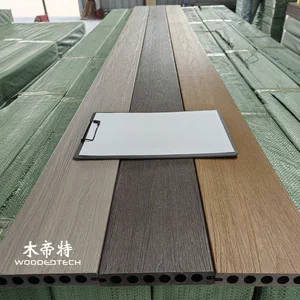
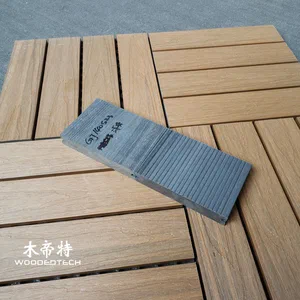 GD14023S Composite Deck Materials Feature a Solid Structure and Side Grooves for Better Adaptability in Extremely Cold Climates