
Step-by-Step Guide: laying composite decking for Professional Results

Installing composite decking for professional results starts with careful planning, a sound subframe, and the right fixing method. For contractors, distributors, and project managers, the goal is not just a good-looking surface but a stable, low-maintenance deck that performs well under heavy use.
Plan the deck structure first
A successful installation begins below the boards. Confirm the site falls away for drainage, then set out the joist layout to match the board specifications and expected load. Composite boards need consistent support, so spacing, leveling, and ventilation matter as much as the surface finish.

Prepare and fix the boards correctly
Composite decking should be stored flat, dry, and protected before installation. Once on site, cut boards with clean blades and check every edge for straightness before fixing. If you are working with capped composite decking boards or wood plastic composite decking boards, follow the manufacturer’s fastening system rather than mixing hardware.
Hidden clips give a cleaner finish and are common on commercial projects, while face fixing may suit perimeter boards, steps, or heavy-duty details. Keep fixings evenly spaced, maintain consistent gaps, and ensure boards are fully seated. For long runs, stagger joints only where the system allows it and keep end joints properly supported.
Detail work that lifts the result

- Keep cut ends neat and sealed where required
- Use matching trim pieces for exposed edges
- Check board alignment every few rows
- Leave correct movement gaps around posts and walls
- Finish stair nosings and transitions with compatible accessories
These steps improve appearance, reduce callbacks, and help the deck withstand higher foot traffic in hospitality, retail, and industrial outdoor spaces.
Final checks and long-term performance
Before handover, walk the deck and inspect for movement, squeaks, uneven joints, and drainage issues. Clean off installation dust and confirm that no fixings are left proud. A properly installed composite deck should feel solid underfoot and remain easy to maintain with routine washing only.
For B2B buyers, the value of composite decking lies in predictable performance, fast installation, and lower lifecycle cost compared with timber. When the substructure is sound and the fixing method is correct, the deck delivers a consistent result that supports both safety and presentation.
FAQ
Q: What joist spacing is best for composite decking? A: Follow the board supplier’s recommendation, as spacing varies by profile and load. Tighter spacing is usually needed for commercial traffic and wider boards.
Q: Do composite decking boards need expansion gaps? A: Yes. Composite materials move with temperature, so gaps are essential at board ends, edges, and fixed structures. This helps prevent buckling and surface distortion.
Q: Can composite decking be installed on an existing concrete base? A: Yes, if the base is level, well-drained, and has a compatible subframe system. The structure still needs ventilation and correct fixing points.
Related Articles



Related Products
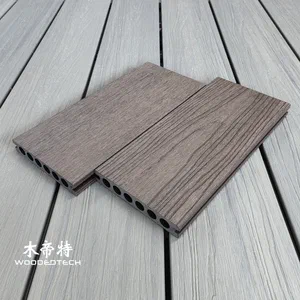 3DGD13823 Second Generation 3D Embossed Rosewood Composite Balcony Decking Delivers Ultra Realistic Wood Grain Texture and a Premium Natural Wood Experience
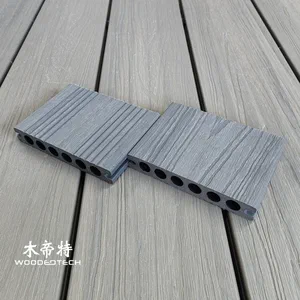 GD13823-3 Light Grey Premium Co Extrusion WPC Composite Decking Offers LG Texture and Excellent UV Resistance for Outdoor Spaces
 D14025-3 Square Hole Double Sided Grooved WPC Board Factory Producing Outdoor Decking Boards With Good Slip Resistance