Solid Composite for Strong Durable Outdoor Decking Panels and Architectural Applications
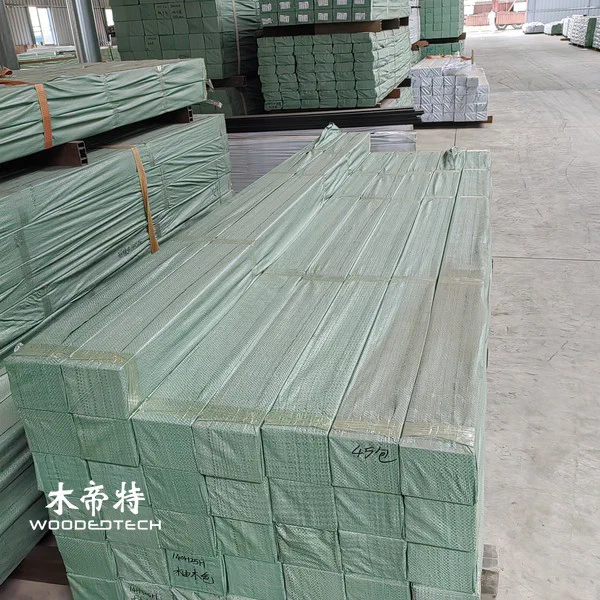
Designing high-performance outdoor wood plastic composite (WPC) formulas for applications like decking, wall cladding, fencing, pergolas, and landscape products involves a careful balance of material components. Achieving optimal performance requires consideration of wood fiber content, plastic ratios, the incorporation of additives, cost control, and ensuring a long product lifespan.
Material Composition

A successful WPC formula typically combines wood fiber and plastic in specific ratios. The wood fiber provides natural aesthetics and structural integrity, while the plastic component contributes to moisture resistance and durability. Generally, a wood fiber content of 40-70% is recommended for outdoor applications. This range allows for significant strength without compromising the composite’s resistance to environmental factors such as moisture, UV exposure, and temperature fluctuations.
The choice of plastic is equally important. Common options include polyethylene (PE) and polypropylene (PP), which offer different benefits in terms of flexibility, impact resistance, and weatherability. The selected plastic should ensure compatibility with the wood fibers to enhance bonding and overall performance.
Additives and Enhancements
To optimize WPC performance, various additives can be incorporated into the formulation. These may include:
- UV stabilizers to prevent degradation from sunlight exposure
- Antioxidants to enhance thermal stability
- Colorants for aesthetic customization
- Processing aids to improve manufacturing efficiency
The right balance of these additives can enhance the product’s lifespan and visual appeal while maintaining cost-effectiveness.
Cost Control
While aiming for high-performance composites, cost control remains a priority. Selecting locally sourced materials can reduce shipping costs and contribute to sustainability goals. Additionally, optimizing the manufacturing process through efficient extrusion techniques can minimize production costs. It’s also beneficial to evaluate the lifecycle costs of the end product, ensuring that initial investments lead to long-term savings through durability and low maintenance.
Product Lifespan
The longevity of WPC products is influenced by both material selection and environmental factors. High-performance composites should withstand various conditions without significant degradation. Factors such as exposure to moisture, temperature extremes, and chemical exposure must be accounted for in the design phase. Regular testing of prototypes under simulated environmental conditions can help predict performance and durability, leading to improvements before full-scale production.
FAQ
Q: What is the ideal wood fiber content for outdoor WPC? A: The ideal wood fiber content for outdoor WPC is typically between 40-70%, balancing strength and moisture resistance.
Q: What additives enhance WPC performance? A: Additives like UV stabilizers, antioxidants, and processing aids can significantly enhance WPC performance, durability, and aesthetic appeal.
Q: How can manufacturers control costs effectively? A: Manufacturers can control costs by sourcing materials locally, optimizing production processes, and focusing on the lifecycle costs of the products.
Related Articles
 Teak Synthetic for Low Maintenance Outdoor Decking Furniture and Architectural Applications
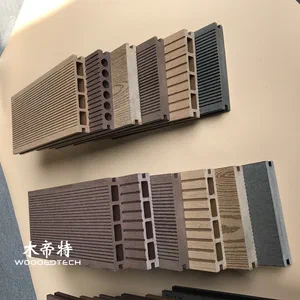 Wood Plastic Composite Panels for Outdoor Walls Cladding Fences Decking and Architectural Applications
 Composite Decking Lengths Provide Flexible Options For Different Outdoor Project Requirements
 Composite Material Applications for Outdoor Decking Cladding Fencing Furniture and Garden Structures
Related Products
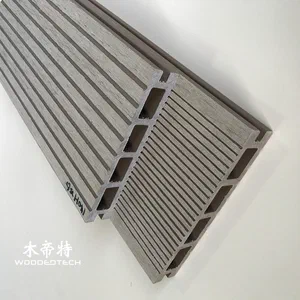 D14025-3 Composite Lumber for Decks Features a Classic Double Sided Groove Design with Excellent Value for Outdoor Projects
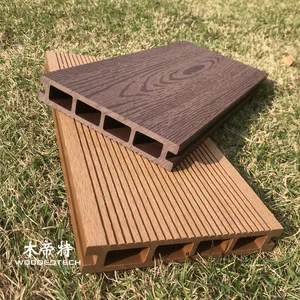 D14025-4 Composite for Decking Provides Stable Performance and Reliable Quality as a Popular Choice for Outdoor Projects
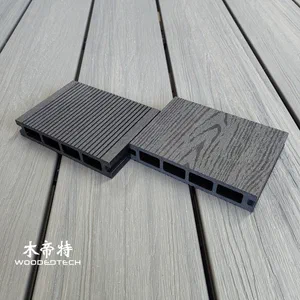 D14025-4 WPC Decking Boards Feature a Flat Wood Grain Surface with Black Ebony Heartwood Ring Grain for Outdoor Applications