
Solid Composite Decking Boards with Superior Load-Bearing Capacity | Factory Direct
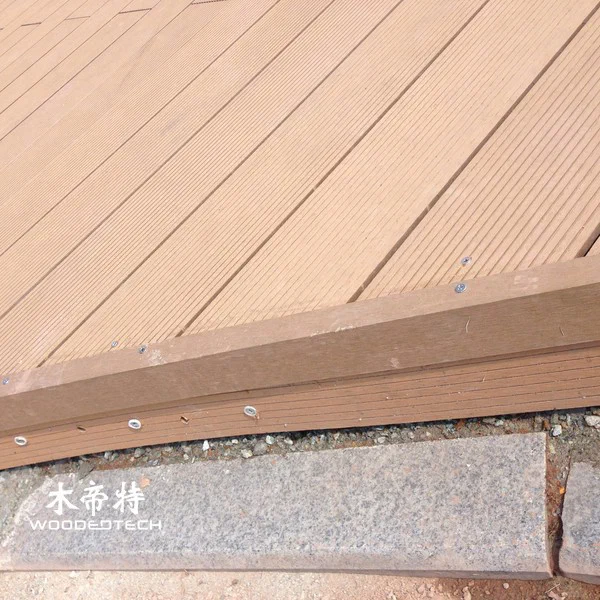
Solid composite decking boards are built for projects that demand strength, stability, and consistent performance in outdoor environments. For distributors, contractors, and project specifiers, they offer a practical alternative to traditional timber when load-bearing capacity, low maintenance, and long service life matter most.

Why Load-Bearing Capacity Matters in Commercial Decking
In industrial and commercial settings, decking is more than a surface finish. It must handle foot traffic, rolling loads, furniture, planters, equipment, and changing weather without deforming or failing prematurely. That is why load-bearing capacity is one of the first criteria buyers should review when selecting decking materials.
Solid composite decking boards are engineered with a denser structure than hollow alternatives. This gives them better resistance to bending, impact, and point loads. For busy terraces, resort walkways, rooftop decks, marina paths, and public outdoor spaces, that added strength reduces risk and improves long-term reliability.
Buyers also benefit from more predictable performance. Solid boards tend to support a tighter span range, hold fasteners more securely, and deliver a sturdier feel underfoot. For B2B procurement teams, that means fewer site issues and a lower chance of callbacks after installation.
What Makes Solid Composite Decking Strong
Composite decking combines wood fibers and polymer materials into a stable outdoor board. In solid composite decking, the internal structure is fully filled, which improves strength and load distribution across the entire board profile.
Key advantages include:
- Higher density for better structural support
- Improved resistance to sagging between joists
- Strong screw-holding performance
- Better impact resistance in high-traffic zones
- Greater tolerance for heavy furniture and frequent use

Ideal Applications for B2B Projects
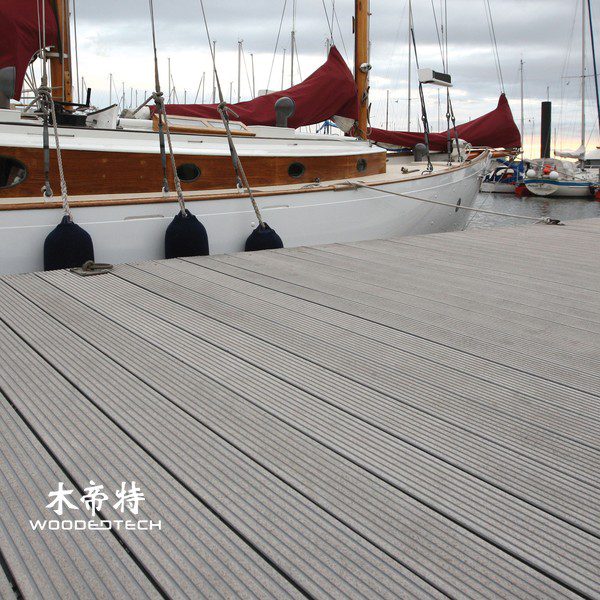
Solid composite decking boards are suitable for projects where safety, durability, and appearance all need to work together. They are commonly used in:
- Commercial rooftops and terraces
- Hotel and resort outdoor areas
- Boardwalks and pedestrian pathways
- Restaurant patios and hospitality decks
- Public recreation zones
- Residential developments with premium outdoor spaces
- Landscape projects requiring high-traffic performance
For these applications, the board’s load-bearing capacity is just as important as its resistance to moisture, UV exposure, and daily wear. A deck that looks attractive but cannot maintain structural integrity will create higher maintenance costs and operational disruption.
Factory Direct Supply: Why It Matters
For importers and project buyers, factory direct sourcing offers both technical and commercial advantages. Working directly with the manufacturer can improve pricing transparency, shorten lead times, and make customization easier.
Factory direct supply is especially valuable when projects require:
- Specific board lengths or widths
- Custom surface finishes
- Color matching across multiple batches
- Project-based packaging and labeling
- Technical support for installation planning
- Stable supply for large orders or repeat procurement
It also helps buyers verify product specifications more easily. A reliable factory can provide details such as density, profile type, surface treatment, and recommended joist spacing. These details are important when comparing products across suppliers and selecting the right board for load-bearing applications.
Performance Factors Buyers Should Check
Not all composite decking boards are the same. For industrial and B2B buyers, the product data sheet should be reviewed carefully before placing an order. Focus on the factors that directly affect structural performance and long-term value.
Board structure
Solid boards generally perform better under load than hollow boards because the material is distributed throughout the section.
Density and composition
A balanced blend of wood fiber and polymer improves rigidity while maintaining weather resistance.
Surface treatment
Embossed or brushed finishes can improve slip resistance and visual appeal, especially in wet areas.
Span recommendation
Span spacing affects how the deck performs under weight. Follow the supplier’s recommended joist spacing for the intended application.
Thermal movement
All composite materials expand and contract to some degree. Proper installation clearances are essential for stable performance.
Color stability
UV-resistant formulations help reduce fading and keep the deck looking consistent over time.
Why Solid Boards Can Lower Lifecycle Cost
Price is important, but for commercial buyers, lifecycle cost matters more. A lower-cost board that fails early or requires frequent maintenance can become expensive very quickly.
Solid composite decking boards can reduce lifecycle cost in several ways:
- Less replacement due to damage or warping
- Lower maintenance compared with painted or stained wood
- Better performance in harsh weather
- Reduced labor during repairs
- Longer service life in demanding environments
For developers, contractors, and distributors, this makes the product easier to position as a value-based solution rather than a simple material purchase. The upfront investment is often offset by lower maintenance and better durability over time.
Installation Considerations for Heavy-Duty Use
Even a strong board needs proper installation to perform well. For load-bearing applications, the substructure and fixing method should match the board specification.
Best practices include:
- Use a level, stable joist system
- Follow the manufacturer’s recommended spacing
- Leave appropriate expansion gaps
- Use corrosion-resistant fasteners or hidden clips when specified
- Avoid unsupported overhangs unless approved by the supplier
- Ensure drainage and ventilation beneath the deck
For larger commercial projects, the installation team should also confirm the expected live load, traffic pattern, and exposure conditions before finalizing the deck layout. This is especially important for rooftop decks, public walkways, and hospitality venues where safety margins matter.
Choosing a Reliable Supplier
When sourcing solid composite decking boards for export or project supply, supplier capability is as important as product quality. Buyers should look for a manufacturer with stable production capacity, consistent quality control, and clear technical documentation.
A dependable supplier should be able to provide:
- Product test data and specification sheets
- Load-related installation guidance
- Export-ready packaging
- OEM or private label support
- Color and finish customization
- Responsive after-sales communication
For B2B buyers, this reduces procurement risk and helps ensure the product delivered on site matches the agreed specification. It also simplifies repeat orders, which is important for multi-phase construction and ongoing distributor programs.
FAQ
Q: Are solid composite decking boards stronger than hollow boards? A: Yes. Solid boards generally offer better load-bearing performance, greater impact resistance, and a more stable feel underfoot.
Q: Can solid composite decking be used for commercial projects? A: Yes. It is widely used in hospitality, public outdoor spaces, rooftop decks, and other high-traffic applications.
Q: Does composite decking require special maintenance? A: It needs far less maintenance than timber. Routine cleaning is usually enough to keep it in good condition.
Q: Why buy factory direct instead of through a trading company? A: Factory direct sourcing can improve pricing, customization options, lead times, and technical support.
Q: What should buyers check before ordering? A: Review board density, span recommendation, surface finish, UV resistance, and installation requirements.
Related Articles
Related Products
 GD14023S Composite Deck Materials Feature a Solid Structure and Side Grooves for Better Adaptability in Extremely Cold Climates
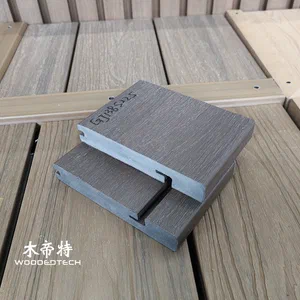 GD13822.5S Fully Capped Solid Starter Wood Polymer Composite Decking Provides a Stable Starting Structure for the First Decking Board
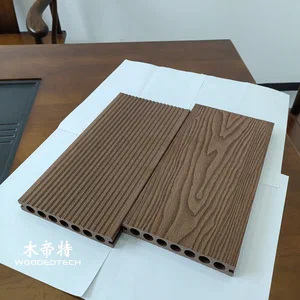 3D15023 First Generation 3D Embossed Composite Deck Boards With Stable Quality And High Performance For Premium Outdoor Projects