
Sleek black plastic wood: Modern Composite Materials for Striking Designs
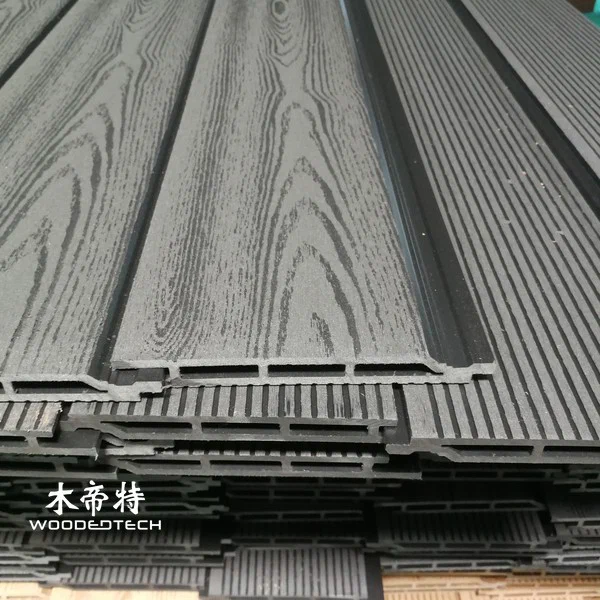
Sleek black plastic wood brings a refined, modern look to commercial projects while keeping the practical advantages buyers expect from composite materials. For architects, contractors, and sourcing teams, it offers a consistent finish, stable performance, and strong design impact across exterior and interior applications.
Why black composite finishes stand out

For B2B buyers, the value is not only visual. Wood plastic composite products are engineered for dependable use in demanding environments, where moisture, sun exposure, and temperature changes can weaken traditional materials. Depending on the product structure, they can offer good dimensional stability, UV resistance, and low upkeep, which helps reduce lifecycle costs.
Practical applications for trade projects
Black plastic wood is used widely in exterior wall systems, façade accents, screening, and matching landscape features. It also works well for commercial decking, balcony upgrades, pergola elements, and decorative panels where a uniform architectural language matters. Because the material is available in multiple profiles, it can support both large-scale developments and custom design requirements.
Common project advantages include:
- consistent color for repeat orders
- easier cleaning than painted timber
- resistance to rot, splitting, and insect damage
- compatibility with modern, minimal design schemes
- flexible use in cladding, fencing, and railing systems
For buyers managing procurement across multiple sites, this consistency is especially useful. It simplifies specification, reduces color mismatch risk, and supports brand-standard construction across different locations.
What to evaluate before sourcing
When comparing suppliers, product construction matters as much as appearance. Check whether the material is capped or uncapped, whether the surface texture is embossed for realism, and how the profile performs under outdoor exposure. Confirm load requirements, installation methods, and available accessories so the system fits your project without costly on-site adjustments.
It is also worth requesting technical data on density, weather resistance, fire performance where relevant, and warranty terms. For export-oriented projects, clear documentation and stable supply capacity matter just as much as finish quality.
FAQ
Q: Is black plastic wood suitable for outdoor commercial use? A: Yes. It is commonly used for cladding, decking, fencing, and screening in outdoor projects because it resists moisture and is easy to maintain.
Q: Does wood plastic composite look too artificial in black? A: Not when the surface is well designed. Wood-grain embossing and matte finishes help create a more architectural, premium appearance.
Q: What should buyers ask a supplier before ordering? A: Ask about material structure, UV performance, installation requirements, lead times, and whether the finish is consistent across batches.
Related Articles
Related Products
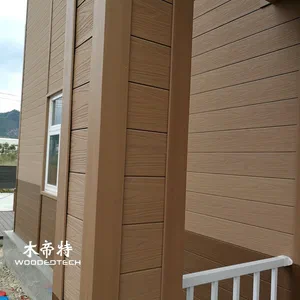
 B17010 Plastic Wood Look Siding Provides Decorative Thin Boards for Modern Outdoor Wall Applications
 B7112 WPC Panel Design Exterior Boards Offer Stocked Fence Strips for Outdoor Decoration and Edge Finishing
 WPC Wall Panel Accessories Offer Complete Solutions with Various Common and Specialized Installation Parts