
Selecting Materials for Commercial Projects: Composite Deck Boards vs Wood
Commercial deck material selection affects more than the appearance of an outdoor space. It influences installation costs, maintenance schedules, safety, durability, and long-term operating expenses. For commercial projects, composite deck boards and natural wood should be evaluated against project requirements, expected foot traffic, environmental exposure, and total lifecycle costs.
Understanding the Main Material Options
Outdoor decking materials commonly include wood plastic composite (WPC), natural hardwood, pressure-treated timber, aluminum, and other exterior flooring products. Each has different performance characteristics and cost implications.
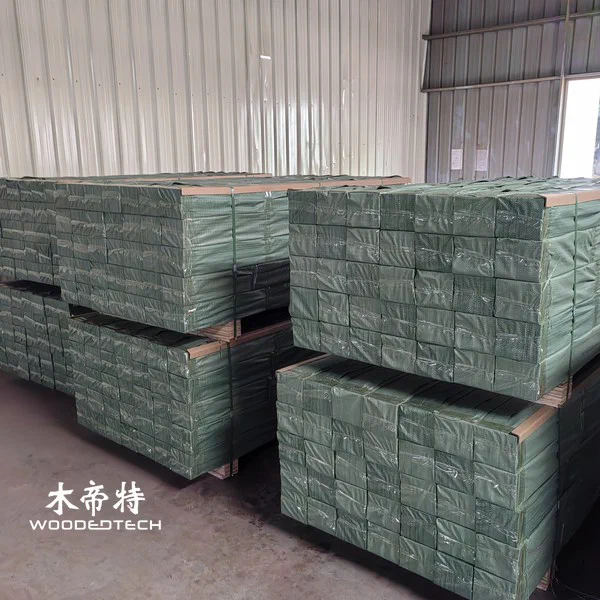
Composite deck boards combine wood fibres or wood flour with thermoplastics and additives. This creates a material designed to offer a wood-like appearance with improved resistance to moisture, rot, and insect damage. Depending on the formulation and manufacturing process, composite decking can be available in solid or hollow profiles, with capped and uncapped surface options.
Natural hardwood, such as teak, ipe, and other dense species, offers authentic grain patterns, natural colour variation, and strong structural performance. Pressure-treated timber is another common option for commercial applications where initial material costs are a priority. Aluminum decking provides a lightweight, corrosion-resistant alternative, while porcelain pavers and outdoor tiles offer a hard, non-wood surface suitable for certain architectural designs.
The right choice depends on the intended application. A hotel poolside deck, restaurant terrace, public walkway, and commercial rooftop may have very different requirements.
Composite Deck Boards vs Natural Wood
Natural wood remains popular because of its appearance and traditional character. Hardwood decking can provide excellent strength and a premium finish, making it suitable for hotels, resorts, restaurants, and high-end commercial developments. However, outdoor exposure gradually affects its performance.
Sunlight can cause fading and colour changes, while moisture can lead to swelling, cracking, and fungal decay. Some wood species also require protection against termites and other insects. Regular cleaning, sealing, staining, or oiling is often necessary to maintain the original appearance.
Composite decking offers a different maintenance profile. Its engineered composition reduces many of the problems associated with untreated timber. It does not require routine staining or sealing, and quality products are designed to resist moisture-related deterioration and insect damage.
Key differences include:
- Appearance: Natural wood offers authentic grain and texture, while composite boards provide consistent colours and manufactured wood-grain finishes.
- Moisture resistance: Composite decking generally performs better in damp environments than untreated wood, although its actual performance depends on the product specification.
- Maintenance: Natural wood typically requires more frequent surface treatments, while composite decking usually needs routine washing and inspection.
- Durability: Quality composite products can provide long service life, but resistance to scratching, impact, fading, and structural loading varies by grade.
- Repairability: Individual timber boards can often be sanded and refinished. Composite boards may require replacement if deeply damaged.
For commercial properties with heavy daily foot traffic, reduced maintenance requirements can make composite decking an attractive long-term investment.
Comparing Composite Decking with Timber, Aluminum, and Other Materials
Pressure-treated timber is often selected for projects with limited upfront budgets. It provides reasonable structural performance when properly installed and maintained. However, preservative treatments do not eliminate all weathering, surface deterioration, or maintenance requirements. For facilities with large decking areas, recurring treatment and replacement costs can become significant.
Aluminum decking offers excellent resistance to rot, termites, and moisture-related damage. It is non-combustible as a material and can be useful in projects with specific fire-performance requirements. However, it generally has a more industrial appearance, can become hot under direct sunlight, and may carry a higher initial purchase price. Its acoustic characteristics and surface comfort should also be considered in pedestrian areas.
Porcelain pavers and exterior ceramic tiles provide excellent resistance to staining, UV exposure, and surface wear when suitable outdoor-rated products are specified. They are also available in wood-effect finishes. However, their weight, installation requirements, substrate preparation, and potential impact damage need careful consideration.
WPC decking occupies a middle ground between traditional timber and engineered exterior materials. It offers a warmer visual appearance than aluminum and typically requires less maintenance than natural wood. This balance makes it suitable for commercial terraces, outdoor dining areas, hospitality facilities, and landscaped public spaces.
Maintenance Requirements and Long-Term Performance
Maintenance should be assessed as an ongoing operational cost rather than an occasional expense. For commercial properties, cleaning schedules, labour availability, access restrictions, and downtime can all influence material selection.
Natural timber generally requires regular inspections, cleaning, and periodic protective treatments. Depending on the species and exposure conditions, staining or oiling may be needed every one to three years. Damaged or deteriorated boards may also require replacement.

Composite decking usually requires less intensive care. Routine maintenance typically involves sweeping debris, washing the surface with water and a suitable cleaning solution, and checking fasteners, joists, drainage, and expansion gaps. Capped composite decking can provide additional protection against surface staining and moisture penetration, although it is not completely maintenance-free.
Aluminum requires relatively little surface maintenance, but connections, coatings, and drainage details should still be inspected. Porcelain paving also needs periodic cleaning, with particular attention to grout joints and the stability of the supporting substrate.
Regardless of the selected material, correct installation is essential. Subframe design, ventilation, drainage, expansion allowances, fixing systems, and slip resistance all affect long-term performance. For commercial applications, project specifications should also address fire classification, accessibility, structural loading, and applicable building codes.
Evaluating Lifecycle Costs for Commercial Projects
The purchase price per square metre does not provide a complete picture of decking costs. A more useful approach is to evaluate the total cost of ownership over the expected service life.
A lifecycle cost assessment should include:
- Initial material purchase and transportation.
- Subframe, fasteners, and installation labour.
- Routine cleaning and scheduled maintenance.
- Protective coatings, oils, and treatments.
- Repair and replacement of damaged boards.
- Disposal and potential refurbishment costs.
Natural hardwood may have a higher initial price but can deliver long service life when the correct species and maintenance programme are selected. Pressure-treated timber usually has a lower purchase cost, although recurring maintenance may reduce its initial cost advantage.
Composite decking can require a higher initial investment than basic timber, but lower routine maintenance expenses may improve its overall economic performance. Aluminum can also offer long-term durability, although its initial cost and installation requirements may make it less economical for some projects.
For a meaningful comparison, developers should request product-specific service-life information, warranty conditions, maintenance recommendations, and installation specifications. Lifecycle calculations should use the same evaluation period, local labour rates, replacement assumptions, and discount rate for every material option.
Choosing the Right Decking for Your Commercial Development
The best material is the one that meets the project’s technical, architectural, and financial requirements. Natural hardwood is worth considering when authentic timber character is central to the design and a maintenance budget is available. Pressure-treated timber suits cost-sensitive applications where regular upkeep is acceptable. Aluminum is appropriate when fire performance, corrosion resistance, or a contemporary industrial appearance is a priority.
Composite deck boards are particularly suitable when developers want a wood-inspired finish without the recurring maintenance associated with traditional timber. For hotels, commercial buildings, restaurants, public terraces, and leisure facilities, WPC decking can offer a practical balance of appearance, durability, and operating costs.
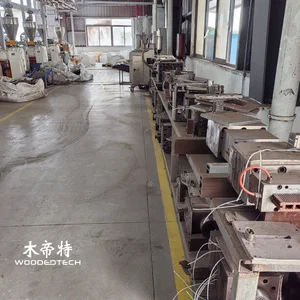
Before placing a bulk order, project teams should compare samples, verify technical data, assess slip resistance in wet conditions, and confirm the suitability of the product for the expected traffic level and climate. Selecting the right composite decking manufacturer is equally important, as material formulation, manufacturing consistency, surface treatment, and quality control can significantly influence long-term performance.
Related Articles
Related Products
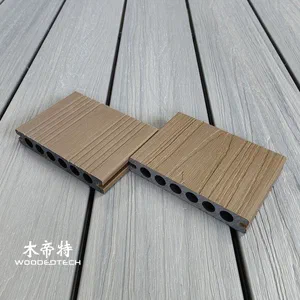 GD13823-3 Teak TK Co Extruded Decking Is a Popular Choice from Composite Decking Suppliers for Outdoor Flooring Projects
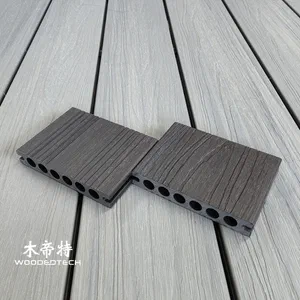 GD13823-3 Walnut WN Co Extruded Decking Features a Dark Rich Color That Helps Resist Visible Dirt and Stains
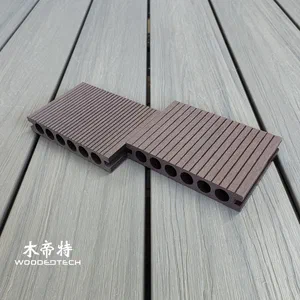 The D14025-6 Composite Decking 2 x 4 Features a Practical Walnut Design with Double-Sided Large and Small Grooves for Versatile Outdoor Applications