
Select Capped Composite Decking for Enhanced Surface Protection and Color Stability
Capped composite decking is designed for projects that need better surface protection, stronger color stability, and lower maintenance over time. For commercial decks, hospitality venues, and large outdoor builds, it offers a practical balance of appearance, durability, and lifecycle value.
Why capped composite decking performs better
The key difference is the protective cap layer. This outer shell helps resist staining, moisture absorption, fading, and everyday wear caused by foot traffic, cleaning, and weather exposure. Compared with traditional wood decking, capped composite decking keeps a more consistent finish and reduces the need for sanding, sealing, or repainting.
For buyers managing multiple sites or long-term assets, that matters. A deck surface that holds its color and resists surface damage supports a better brand image and lowers maintenance interruptions. It is also a smart choice for areas exposed to sunlight, rain, pool water, or food and beverage spills.
What buyers should check before sourcing
Not all capped boards are the same. Industrial and B2B buyers should compare core material quality, cap thickness, slip resistance, board consistency, and the supplier’s testing standards. It is also worth confirming whether the product is fully capped or only capped on three sides, since edge protection can affect long-term performance.
Key selection points include:
- UV resistance for color stability
- Scratch and stain resistance for high-traffic use
- Low water absorption for outdoor durability
- Reliable board dimensions for easier installation
- Warranty terms that match project demands
Color range also matters. Neutral wood tones, modern gray shades, and darker commercial finishes all serve different applications, from retail terraces to resort walkways. Choosing a stable color line helps maintain a uniform look across phased installations and future replacements.
Where capped composite decking fits best
Capped composite decking works well for boardwalks, hotel balconies, restaurant patios, public seating areas, and residential developments that require a clean, modern look with predictable upkeep. It is also suitable for projects that need better resistance to mold, mildew, and surface staining than standard wood alternatives.

For overseas buyers, the product is often sourced alongside matching boards, railing, and stair components to create a complete outdoor system. That simplifies procurement, shortens installation planning, and helps keep the finished project visually consistent.
FAQ
Q: What is the main advantage of capped composite decking? A: Its outer cap protects the board from stains, fading, and moisture damage. This makes it a stronger option for long-term outdoor use.
Q: Is capped composite decking suitable for commercial projects? A: Yes. It is widely used in hospitality, retail, and public outdoor spaces because it offers stable appearance and lower maintenance needs.
Q: How does capped composite decking differ from uncapped decking? A: Capped boards have an added protective layer over the core, while uncapped boards rely more on the base material alone. The cap improves surface protection and color retention.
Related Articles
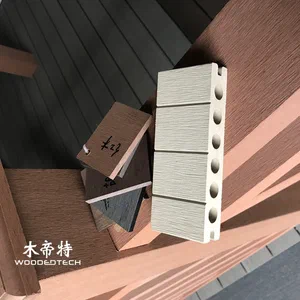
Related Products
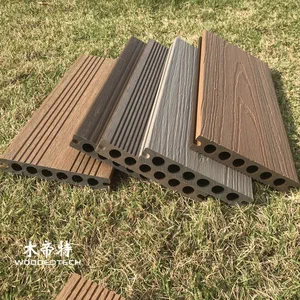
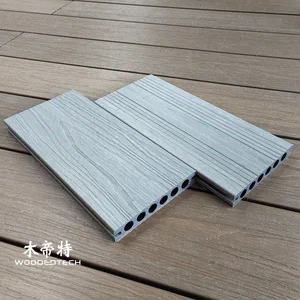 Antique Wood GD13823-3 Co Extruded Composite Wood Decking Boards with Round Holes Are Available in Stock in 3 Meter Lengths Year Round
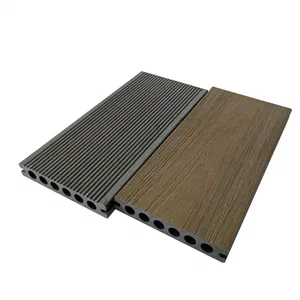 GD14023 Composite Decking Versus Wood Decking Features a Round Hole Structure with Semi Capped Co Extrusion
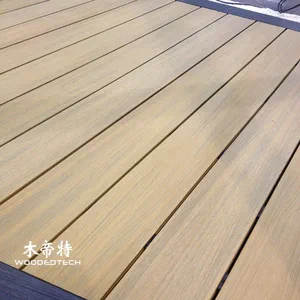
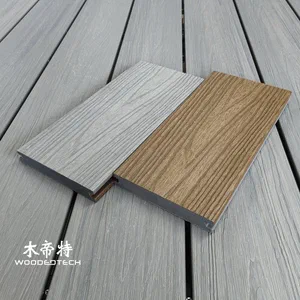 Second Generation Two Color Co Extruded 3D Embossed 3DGD14023S Composite Wood Deck Boards Feature an Extremely Realistic Antique Wood and Teak Grain Texture