
Seamless Corner Solution: wpc wall panel corner Trim Profiles
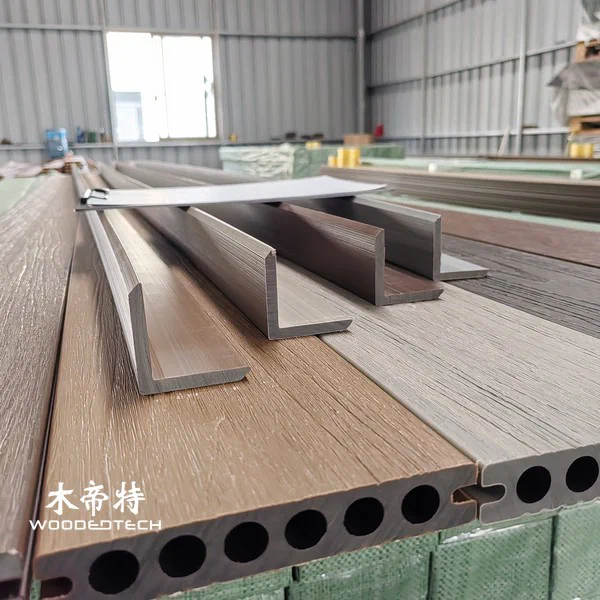
WPC wall panel corner trim profiles solve one of the most visible details in exterior and interior cladding: clean, protected corners. They give wall panel systems a finished edge, hide cut ends, and help installers deliver a consistent look across large commercial projects, retail facades, hospitality spaces, and residential developments.
Why Corner Trim Profiles Matter
Corner joints are where panel systems show their quality. Without a proper trim profile, exposed edges can look uneven, collect moisture, and create weak points during installation or long-term use. A well-designed WPC corner profile closes those gaps, improves impact resistance, and supports a neater transition between two wall planes.
For B2B buyers, the practical value is as important as the appearance. Corner trims reduce on-site rework, simplify installation around columns, window returns, and external corners, and improve the visual consistency that architects and contractors expect. When a project uses multiple elevations or mixed cladding zones, the same trim system helps maintain a uniform finish across the entire scope.
Material, Finish, and Compatibility
Most WPC corner trims are produced to match the color, texture, and surface style of the main wall panel range. That matters in specification-driven projects, where mismatched trims can break the design language. Buyers should check profile dimensions, wall thickness compatibility, UV resistance, and whether the trim is intended for indoor or outdoor use.
For exterior applications, stable performance under heat, rain, and direct sun is essential. A reliable profile should resist warping, fading, and cracking while still allowing normal expansion and contraction. This is especially important on long runs, where corner detailing needs to stay tight after seasonal changes. In practice, the best profiles are engineered as part of the panel system, not added as an afterthought.

Installation and Sourcing Considerations
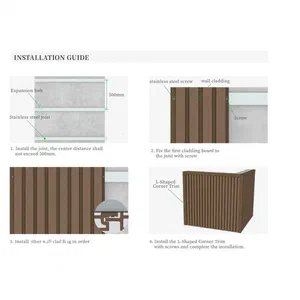
Installers usually prefer corner trim profiles that are easy to align, cut, and fasten with standard tools. Clear installation instructions and consistent tolerances reduce delays on site and lower the risk of visible gaps. For project buyers, it is also worth confirming whether the supplier can provide matching accessories, sample sets, and bulk packaging for shipping efficiency.
When sourcing from a WPC factory or OEM supplier, ask for product data, finish photos, and installation guidance before placing a large order. That is the fastest way to confirm the trim will work with the selected wall panel series and the project’s aesthetic requirements.
FAQ
Q: What is a WPC wall panel corner trim profile used for? A: It finishes exposed corners, protects panel edges, and creates a cleaner transition between wall surfaces.
Q: Can corner trim profiles be used outdoors? A: Yes, if they are designed for exterior conditions with UV and weather resistance. Always confirm the product is matched to outdoor WPC wall panel systems.
Q: Should the trim color match the wall panel exactly? A: It should match as closely as possible for a consistent finish. Small shade differences can be noticeable on large facades.
Related Articles
Related Products
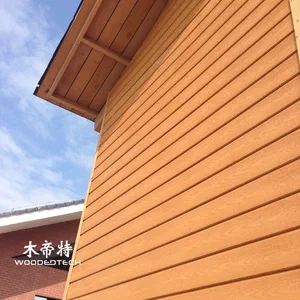
 B14011 WPC Paneling Sheets Feature Double Flat Surfaces with Heat Pressed Wood Grain Designs for Outdoor Styles
 B17010 Plastic Wood Look Siding Provides Decorative Thin Boards for Modern Outdoor Wall Applications
 B7112 WPC Panel Design Exterior Boards Offer Stocked Fence Strips for Outdoor Decoration and Edge Finishing