Scalloped vs Solid Composite Decking for Choosing the Right Structure for Outdoor Decking Projects
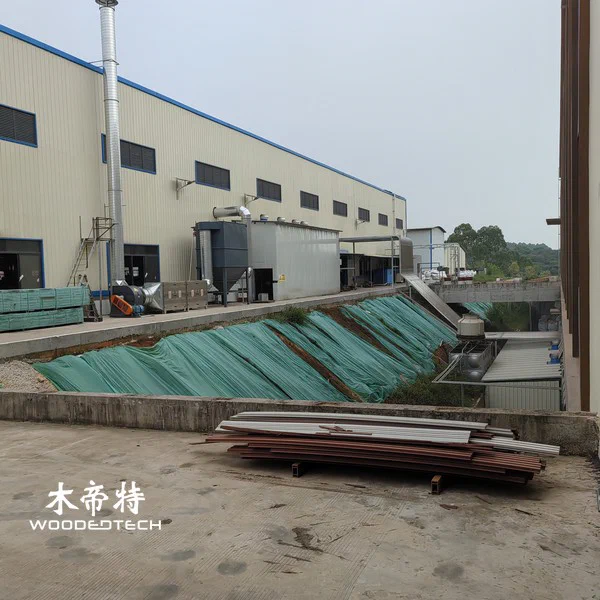
When selecting the right structure for outdoor decking projects, the choice between scalloped and solid composite decking is crucial. Each design impacts strength, weight, cost, and installation performance, making it essential to understand the nuances of these profiles.
Strength and Durability
The structural integrity of a decking system is primarily influenced by its design. Solid composite decking typically provides superior strength due to its uniform thickness and material composition. This makes it ideal for high-traffic areas and heavy loads. In contrast, scalloped decking, while lighter, features a hollow design that can reduce overall weight but may compromise structural strength. This design is often more susceptible to bending and warping under stress, especially in environments with fluctuating temperatures.
Weight Considerations
Weight plays a significant role in both installation and long-term performance. Solid decking boards are heavier, which can make them more challenging to handle during installation but offers stability in the final structure. Scalloped boards, being lighter, are easier to transport and install, requiring less labor. This can lead to cost savings in labor, but lighter boards may necessitate additional support structures to maintain durability over time.
Cost Implications
Cost is a critical factor in any decking project. Solid composite decking generally comes at a higher price point due to the materials and manufacturing processes involved. However, this investment can yield a longer lifespan and lower maintenance costs. Scalloped decking, being less expensive, appeals to budget-conscious consumers. Still, it’s important to consider potential future costs associated with repairs or replacements due to its susceptibility to damage.

Installation Performance
The ease of installation can significantly influence project timelines and labor costs. Scalloped decking is often designed for quick installation, with lightweight boards that can be easily handled and cut. This can lead to faster project completion. Conversely, solid boards may require more careful handling and precise cutting, potentially lengthening installation times. However, the robust nature of solid decking can result in a more durable and stable deck, which can be a worthwhile trade-off.
Aesthetic and Surface Patterns
Beyond structural considerations, the aesthetic appeal of scalloped versus solid decking should not be overlooked. Scalloped designs often incorporate unique surface patterns that can enhance visual interest and mimic natural wood grain. Solid boards, while available in various finishes, typically present a more uniform appearance. The choice between these designs can affect not only the look of the deck but also its perceived value.
FAQ
Q: What are the main benefits of solid composite decking?
A: Solid composite decking offers higher strength and durability, making it suitable for heavy loads and high-traffic areas.
Q: Is scalloped decking a good choice for budget projects?
A: Yes, scalloped decking is often more affordable and lightweight, making it easier to install, but may require additional support for long-term stability.
Q: How do surface patterns influence composite decking choices?
A: Surface patterns enhance the aesthetic appeal and can create a more natural wood-like appearance, impacting consumer preferences.
Related Articles
 Scalloped Composite Decking vs Solid for Comparing Outdoor Decking Structure Performance and Applications
 Composite Material Applications for Outdoor Decking Cladding Fencing Furniture and Garden Structures
 Outdoor WPC Deck for Durable Residential Gardens Patios Balconies and Landscape Projects
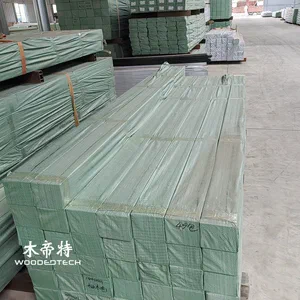 Solid Composite for Strong Durable Outdoor Decking Panels and Architectural Applications
Related Products
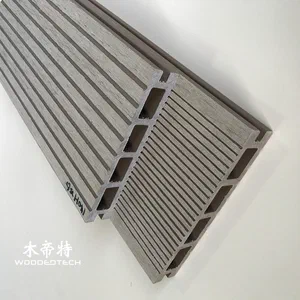 D14025-3 Composite Lumber for Decks Features a Classic Double Sided Groove Design with Excellent Value for Outdoor Projects
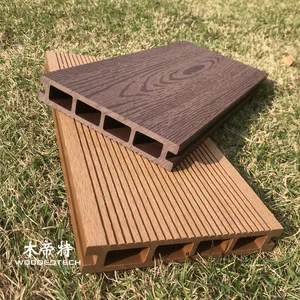 D14025-4 Composite for Decking Provides Stable Performance and Reliable Quality as a Popular Choice for Outdoor Projects
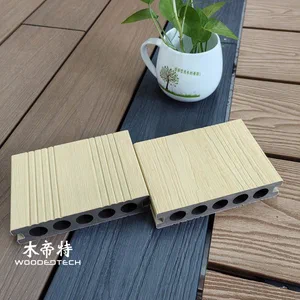 GD14030 Capped Wood Composite Decking Features an Extra Thick Structure for Greater Strength Stability and Long Term Outdoor Performance