Scalloped Composite Decking vs Solid for Comparing Outdoor Decking Structure Performance and Applications
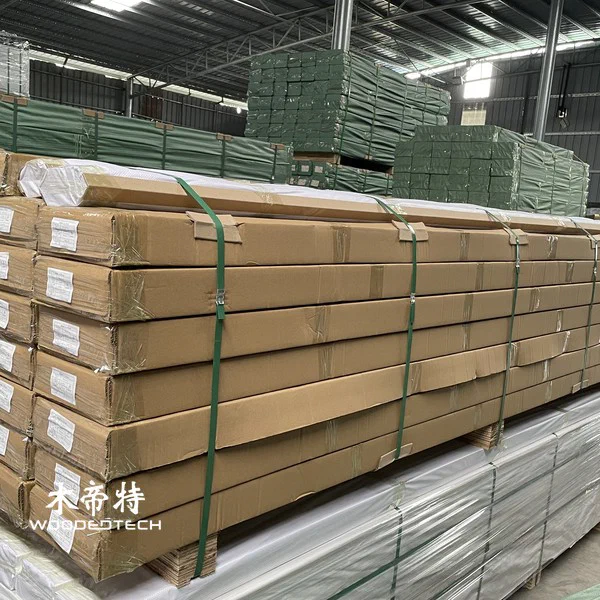
Scalloped composite decking and solid composite decking offer unique structural advantages for outdoor applications. Understanding their design features—such as hollow structures, solid structures, rib designs, and surface patterns—can help in selecting the right option for specific performance needs.
Structural Design Influences
Hollow and solid structures play a significant role in the overall strength and weight of composite decking.
- Hollow structures, like scalloped designs, are generally lighter due to reduced material usage. This can lead to lower shipping costs and easier installation, making them suitable for DIY projects.
- Solid composite decking, however, offers enhanced durability and weight-bearing capabilities, making it a preferred choice for high-traffic areas or commercial applications.
Rib Design and Performance
Rib designs can enhance the strength of both hollow and solid decks.
- Ribs running along the length of the decking can increase stiffness, reducing the likelihood of bending or warping under load.
- Scalloped designs often include ribbing that contributes to their structural integrity while maintaining a lightweight profile.
Surface Patterns and Aesthetics
Surface patterns not only influence aesthetics but also affect performance characteristics like slip resistance.
- Textured surfaces can enhance grip, making them ideal for poolsides or areas prone to moisture.
- Smooth surfaces, commonly found in solid decking, provide a sleek appearance but may require additional treatments to ensure slip resistance.

Cost Considerations
When comparing scalloped and solid composite decking, costs can vary significantly based on material and design complexity.
- Hollow scalloped decking tends to be more economical due to less material usage, appealing to budget-conscious consumers.
- Solid decking, while often more expensive, can provide long-term value through increased durability and lower maintenance requirements.
Choosing between scalloped composite decking and solid options requires careful consideration of the intended application, desired aesthetics, and budget. Both designs have their place in outdoor environments, but understanding their structural differences will guide you in making the best decision for your needs.
FAQ
Q: What are the benefits of using scalloped composite decking?
A: Scalloped composite decking is lightweight, cost-effective, and easy to install, making it ideal for DIY projects and budget-conscious consumers.
Q: How does rib design affect the performance of composite decking?
A: Rib design enhances the strength and stiffness of the decking, reducing the risk of bending or warping under load.
Q: Is solid composite decking more expensive than scalloped decking?
A: Yes, solid composite decking typically costs more due to its increased material usage and enhanced durability.
Related Articles
 Scalloped vs Solid Composite Decking for Choosing the Right Structure for Outdoor Decking Projects
 Composite Deck Nosing Provides Professional Edge Finishing Solutions for Outdoor Decking Projects
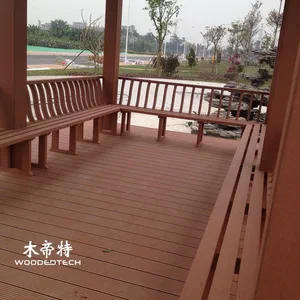 3D Embossed Decking with Realistic Wood Grain and Long Lasting Performance
 Wood Plastic Deck Boards Combine Natural Appearance with Durable Outdoor Performance
Related Products
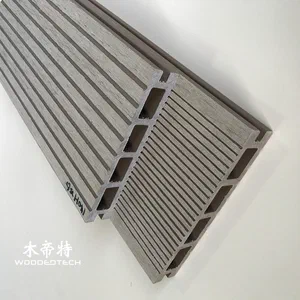 D14025-3 Composite Lumber for Decks Features a Classic Double Sided Groove Design with Excellent Value for Outdoor Projects
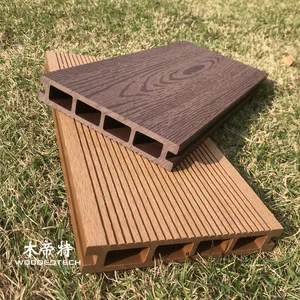 D14025-4 Composite for Decking Provides Stable Performance and Reliable Quality as a Popular Choice for Outdoor Projects
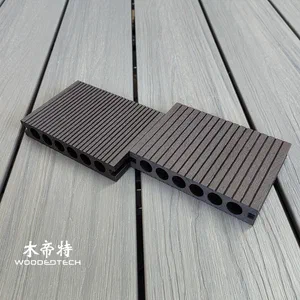 D14025-5 Composite Lumber for Decks Features a Dark Chocolate Color Round Hole Design and High Strength for Outdoor Decking