
Replacing composite deck boards becomes easier with reliable outdoor WPC decking solutions
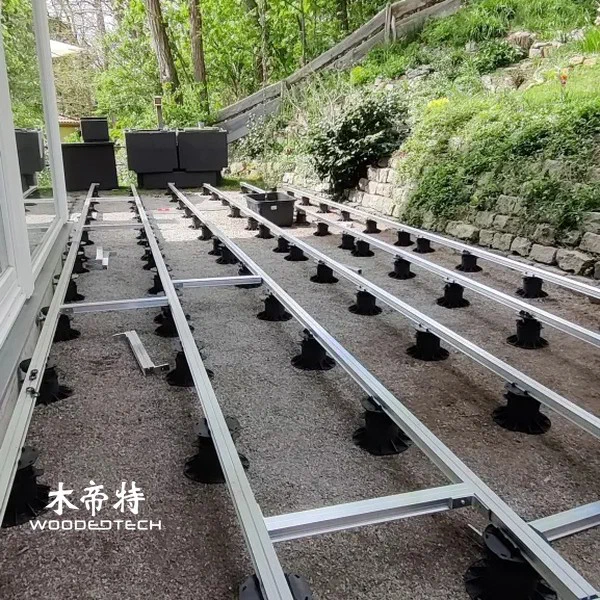
Replacing composite deck boards becomes easier when the deck is built on a reliable WPC system from the start. With the right subframe, fixings, and clear expansion gaps, both decking and wall cladding can be installed cleanly, repaired faster, and kept looking consistent for years.
Prepare the subframe first
A good installation starts with a flat, dry, and well-spaced subframe. Use treated timber or composite joists suitable for outdoor use, and make sure the base has drainage so water cannot sit under the boards. Check the frame for level and alignment before fixing anything; small errors at this stage usually show up later as loose boards, noise, or uneven joints.
For wpc decking, joist spacing should follow the board manufacturer’s guidance, especially on commercial or high-traffic areas. Keep the frame rigid with proper perimeter support, and add extra joists at board ends, corners, steps, and any place where a cut board will be fixed.
Fix boards with the right method

Before installation, acclimate the boards on site and sort them by shade and length. Start from a straight edge and use starter clips, hidden clips, or stainless-steel screws depending on the profile. Hidden fixing gives a cleaner finish and makes future board replacement simpler, while face fixing may be preferred for trims, edges, or special details.
For wall cladding, install the battens vertically or horizontally according to the panel direction, then confirm that the surface is square and ventilated. Leave enough airflow behind the cladding to reduce heat buildup and moisture trapping. If you are installing wpc wall cladding outdoors, use corrosion-resistant fasteners and seal cut edges where required by the system.
Allow for expansion and clean cutting
WPC moves slightly with temperature, so expansion gaps are essential. Leave gaps at board ends, around posts, at walls, and between long runs of material. Do not force boards tight against fixed structures, and avoid over-tightening screws, which can restrict movement and cause buckling.
Cut boards with fine-tooth blades for a cleaner edge and less chipping. Measure twice, support the board fully during cutting, and keep cut ends neat for better fit and appearance. On replacement jobs, remove damaged boards carefully so the neighboring boards and clips can stay intact whenever possible.
Maintenance that keeps replacement easy
Routine care makes future repairs much easier. Sweep off grit, wash with mild soap and water, and clear drainage paths so dirt does not pack into joints. Inspect fixings seasonally, especially in exposed coastal, sunny, or high-rainfall sites. If a board is damaged, swap it early before movement spreads to adjacent sections.
FAQ
Q: Can individual WPC deck boards be replaced without removing the whole deck? A: Yes, if the deck uses hidden clips or a modular fixing system. Keep spare boards from the same batch for the best color match.
Q: What subframe is best for outdoor WPC decking? A: A stable, level frame made from treated timber or composite joists works well. It must allow drainage and follow the board manufacturer’s spacing rules.
Q: Do WPC wall cladding panels need ventilation behind them? A: Yes, ventilation helps prevent trapped moisture and heat buildup. A battened cavity also improves stability and long-term appearance.
Related Articles
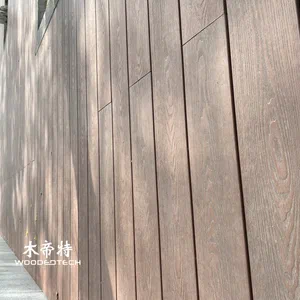 How to put plastic decking down with simple installation methods for outdoor applications
 Composite decking 3.6 m lengths support efficient installation for large outdoor decking projects
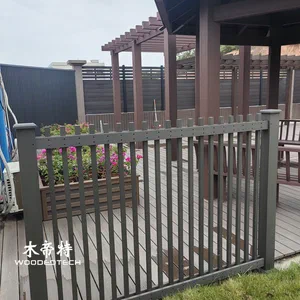 Composite decking spacing guidelines ensure proper installation and long term outdoor performance
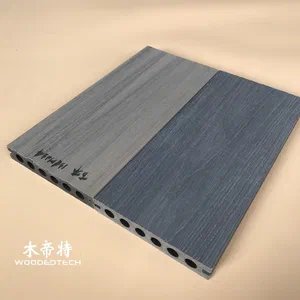 Joists for composite decking provide stable support systems for outdoor deck installation
Related Products
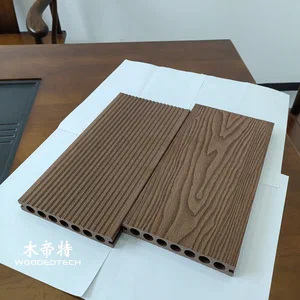 3D15023 First Generation 3D Embossed Composite Deck Boards With Stable Quality And High Performance For Premium Outdoor Projects
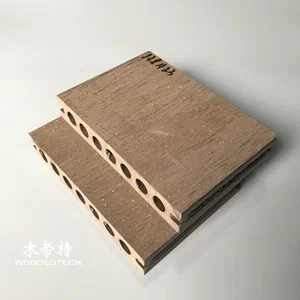 D13823 Round Hole Double Sided Flat WPC Bamboo Decking Boards With Strong Quality And Various Wood Grain Surface Treatments
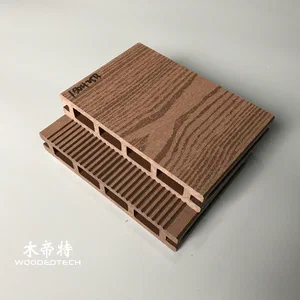 D15025-2 Classic Waterproof Insect Resistant Corrosion Resistant And Termite Resistant Composite Decking Types With Twenty Years Of Sales Experience