
Recycled Material Composite: Industrial Applications, Benefits, and Market Trends
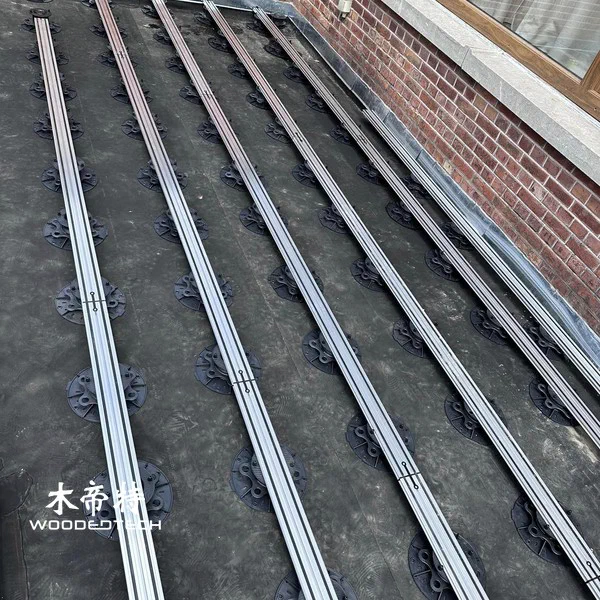
Recycled material composites are increasingly used across construction, landscaping, infrastructure, and outdoor product manufacturing as businesses look for more sustainable alternatives to traditional materials. Wood plastic composite (WPC) is a practical example, combining recycled plastics and wood fibers to create durable products that reduce demand for virgin resources while offering reliable performance in outdoor environments.
What Are Recycled Material Composites?
Recycled material composites are engineered materials made by combining recovered resources with other components to achieve specific physical and mechanical properties. In the building materials industry, wood plastic composite is one of the most widely recognized examples. It typically combines recycled plastic, such as polyethylene or polypropylene, with wood flour, wood fibers, and selected additives.

The manufacturing process transforms these materials into profiles, boards, panels, and other finished products. Depending on the formulation and intended application, manufacturers can adjust density, surface texture, color, strength, and weather resistance.
Unlike conventional timber products, WPC does not rely entirely on newly harvested wood. It also provides an alternative use for suitable recycled plastic, helping manufacturers incorporate recovered materials into products with a longer service life.
Environmental Benefits of Recycled WPC Materials
One major environmental advantage of outdoor WPC is its ability to make productive use of recycled raw materials. Recycled plastic can come from post-consumer packaging, household waste, and industrial plastic scrap, while wood components may be sourced from sawdust, wood processing residues, and other suitable by-products.
Using these resources reduces dependence on virgin plastic and helps divert waste from disposal. However, the environmental benefits depend on the actual recycled content, material sourcing, production energy, and end-of-life management. Buyers should request technical documentation rather than assume every WPC product contains the same proportion of recycled materials.
Reduced wood consumption is another important benefit. Traditional outdoor decking, fencing, and landscaping products often require substantial quantities of natural timber. WPC replaces part of that wood requirement with recycled polymer, reducing pressure on forests and making better use of existing wood-processing resources.
For commercial construction projects, this material combination offers an opportunity to support resource efficiency without giving up the familiar appearance of wood.
Industrial Applications Across Different Sectors
Recycled material composites have expanded beyond residential decking into several industrial and commercial applications. Their combination of workability, durability, and design flexibility makes them suitable for outdoor environments where traditional wood may require frequent treatment or replacement.
Common applications include:
- Outdoor decking: WPC decking boards are used for residential terraces, hotel pool areas, commercial walkways, and public recreation spaces.
- Exterior cladding: Composite wall panels provide decorative finishes for commercial buildings, residential developments, and landscape structures.
- Fencing and screening: WPC fence panels offer privacy and visual consistency for gardens, parks, hospitality properties, and commercial facilities.
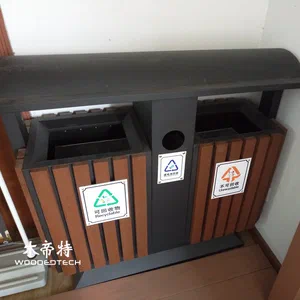
- Outdoor furniture: Recycled wood plastic composite is used to manufacture benches, seating systems, planters, and landscape furniture.
- Pergolas and gazebos: Composite profiles provide weather-resistant components for outdoor structures.
- Infrastructure and public spaces: Composite boards and profiles can be used in selected pedestrian areas, waterfront facilities, and landscaping projects.
These applications demonstrate why composite materials are becoming relevant to manufacturers, distributors, contractors, and international building material suppliers.
Durability and Low-Maintenance Performance
Material longevity is an important part of environmental performance. A product that needs frequent replacement can consume more raw materials, energy, and transportation resources throughout its service life.
Outdoor WPC is designed to withstand common environmental conditions, including moisture exposure, temperature fluctuations, and everyday outdoor use. Unlike untreated timber, it does not require routine painting, staining, or preservative treatment. Its resistance to moisture also helps reduce problems associated with swelling, splintering, and decay.
Maintenance is generally straightforward. Regular cleaning with water and a suitable cleaning solution is often sufficient to remove surface dirt and ordinary outdoor stains. This can reduce the ongoing use of chemical coatings and maintenance products.
Performance still depends on product formulation and manufacturing quality. UV exposure, prolonged standing water, installation errors, and extreme temperatures can affect long-term results. For demanding commercial projects, buyers should evaluate weathering tests, load ratings, slip resistance, and applicable product certifications.
Market Trends and Growing Industrial Demand
Demand for recycled composite materials is supported by several developments in the global construction and building products markets. Sustainability requirements, resource efficiency targets, and growing interest in lower-maintenance outdoor spaces are encouraging manufacturers to develop more advanced WPC products.
One notable trend is the development of co-extrusion technology. Capped WPC products feature a protective outer layer designed to improve resistance to moisture, staining, fading, and surface wear. This technology is particularly relevant for premium outdoor decking and commercial installations where appearance and durability are important.
Another trend is product customization. Manufacturers are offering more colors, wood-grain finishes, embossed textures, board dimensions, and specialized profiles to meet different architectural and regional market requirements. Recycled composites are also gaining attention in exterior wall systems, decorative screens, fencing, and outdoor furniture.
For international buyers, recycled content, product consistency, manufacturing capacity, and compliance documentation are becoming important supplier evaluation criteria. A competitive manufacturer must demonstrate not only attractive product designs but also reliable production standards and clear material specifications.
Choosing Sustainable Composite Materials for Long-Term Projects
Selecting recycled material composites requires more than comparing initial purchase prices. Buyers should consider recycled content, expected service life, installation requirements, maintenance costs, environmental documentation, and the availability of replacement components.
It is also important to distinguish between products with verified recycled content and those marketed primarily through general sustainability claims. Environmental product declarations, recycled-content statements, relevant test reports, and manufacturing information can help procurement teams assess the actual environmental value of a product.
For outdoor construction and landscaping projects, WPC offers a practical balance of material efficiency, design flexibility, durability, and reduced maintenance. When manufacturers use responsibly sourced recycled inputs and maintain consistent quality control, these composites can help reduce reliance on virgin resources while supporting the development of more resource-efficient building products.
Related Articles
Related Products
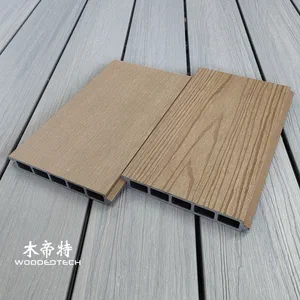
 GD13823-3 Composite Boards for Decking Are Available in Multiple Stock Colors with 3 Meter Lengths and Single Piece Delivery
 3DGL18024 WPC Longboard Fence Features Premium Co Extruded 3D Embossed Teak Wood Grain Texture with Realistic Natural Wood Fibers
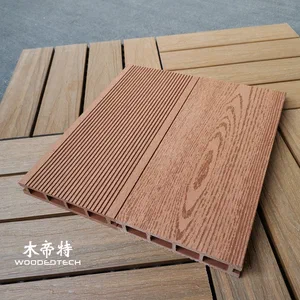 The Classic D14025-4 Red Wood WPC Wood Sheet Features a Timeless 2D Flat Wood Grain Design That Remains Popular After Twenty Years