
Quickcap Composite Deck Resurfacing - Fast and Reliable Deck Renewal
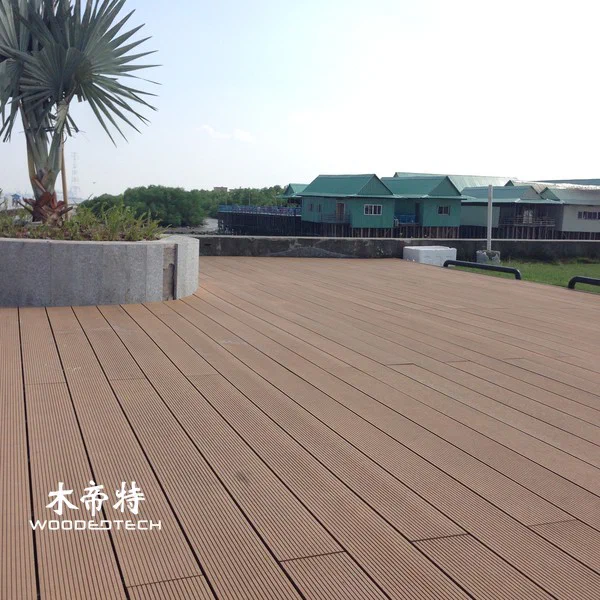
Quickcap composite deck resurfacing is a fast way to renew worn commercial decks without a full tear-out. For B2B buyers, it offers a practical upgrade that improves appearance, safety, and service life while reducing downtime.
Why Resurfacing Makes Sense
In hotels, residential complexes, resorts, and public facilities, deck surfaces often fail before the structure does. Fading, splintering, stains, and surface movement can make an otherwise solid subframe look outdated and unsafe. Quickcap composite deck resurfacing solves that problem by installing new composite boards over a suitable existing base, which helps project teams control cost and schedule.
Compared with full replacement, resurfacing reduces demolition waste, labor hours, and site disruption. That matters when access is limited, guests are present, or operations cannot pause for long. It also gives contractors a cleaner procurement path because the upgrade focuses on the visible wear layer rather than the entire platform.
What Buyers Should Look For
A reliable resurfacing project depends on more than just the board profile. The existing framing must be inspected for rot, corrosion, spacing, and load integrity before any new material is installed. When the base is sound, composite decking boards can deliver a stable, low-maintenance finish with better resistance to moisture and surface wear than traditional timber.
Key purchase considerations include:
- Board thickness and span compatibility
- Slip resistance for wet or high-traffic areas
- Color consistency across batches
- UV stability for long outdoor exposure
- Fixing system availability for faster installation
For distributors and contractors, sourcing from an experienced composite decking manufacturer also helps ensure consistent dimensions, reliable lead times, and support for project specifications.
Applications in Commercial Projects
Quickcap resurfacing is especially useful in settings where presentation and uptime matter. It works well for hotel terraces, apartment balconies, rooftop decks, restaurant patios, marina walkways, and community amenity areas. The finished surface can align with modern design requirements while meeting durability expectations for outdoor use.
Composite materials also support long-term asset planning. Because they are engineered for weather resistance and easier maintenance, owners can reduce repainting, sanding, and replacement cycles. That makes resurfacing an attractive option for property managers and trade buyers looking for predictable lifecycle value.

Installation and Supply Advantages
A good resurfacing system should be simple for crews to handle and efficient to install. Standardized profiles, concealed fasteners, and accurate board lengths help reduce labor time and improve finish quality. For bulk buyers, factory-direct supply can also improve pricing control and project scheduling, especially on repeat or multi-site work.
FAQ
Q: Can every existing deck be resurfaced with composite boards? A: No. The substructure must be checked first for strength, spacing, and moisture damage. If the frame is compromised, replacement may be the safer option.
Q: How long does a composite resurfacing project usually take? A: Timing depends on deck size and site conditions, but resurfacing is generally faster than full reconstruction. Many commercial jobs can be completed with less disruption than a tear-out.
Q: Is composite resurfacing suitable for wet outdoor environments? A: Yes, provided the product has proper slip resistance and the installation follows the manufacturer’s spacing and drainage requirements. It is commonly used in exposed exterior spaces.
Related Articles
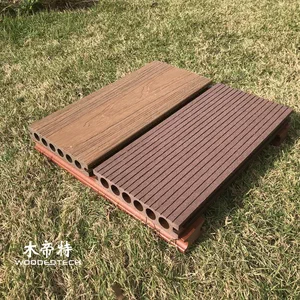
Related Products
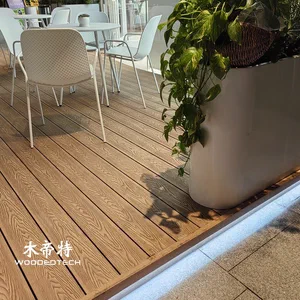
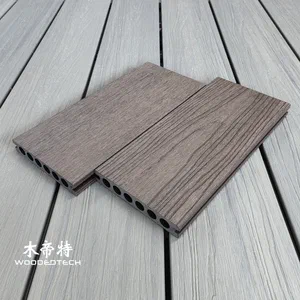 3DGD13823 Second Generation 3D Embossed Rosewood Composite Balcony Decking Delivers Ultra Realistic Wood Grain Texture and a Premium Natural Wood Experience
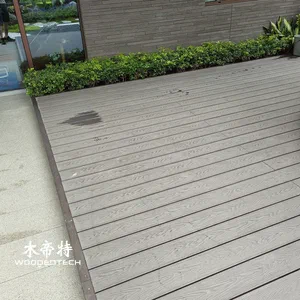
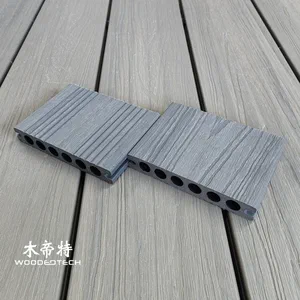 GD13823-3 Light Grey Premium Co Extrusion WPC Composite Decking Offers LG Texture and Excellent UV Resistance for Outdoor Spaces
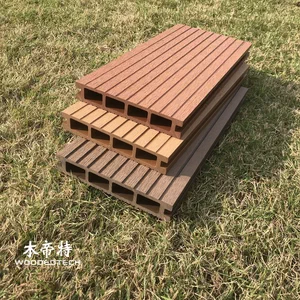 D14025-3 Square Hole Double Sided Grooved WPC Board Factory Producing Outdoor Decking Boards With Good Slip Resistance