
quality composite decking delivers reliable outdoor flooring solutions with long lasting performance
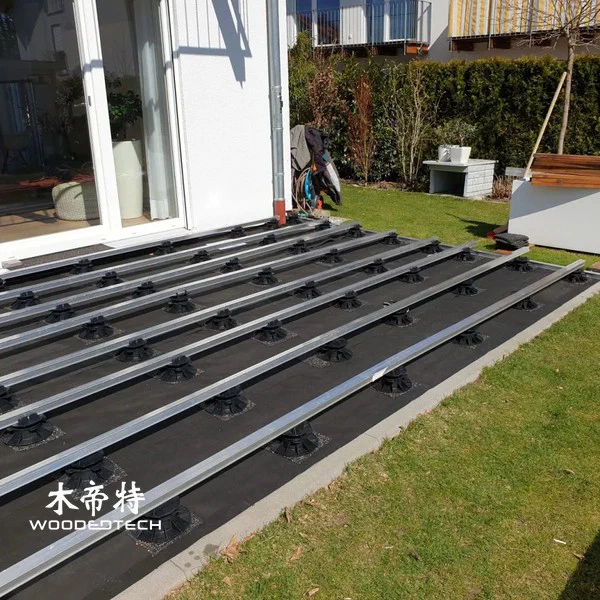
Quality composite decking delivers reliable outdoor flooring solutions because it balances appearance, durability, and low maintenance better than many traditional exterior materials. For projects where long service life and stable running costs matter, outdoor WPC is often the most practical choice.
How outdoor WPC compares with common exterior materials
Natural wood is still valued for its authentic grain and warm feel, but it needs regular sealing, staining, and inspection for rot, splitting, and insect damage. In harsh sun or wet climates, maintenance becomes a real cost driver, and the surface can age unevenly.
Traditional timber can perform well when properly selected and maintained, yet it is more vulnerable to moisture movement, warping, and surface wear. By contrast, quality composite decking keeps a more consistent shape and finish, which is useful for terraces, pool decks, walkways, and rooftop flooring where stability matters.
Aluminum offers excellent weather resistance and does not rot, but it can feel harder underfoot and may heat up quickly in direct sun. It is also less natural in appearance, so it suits modern commercial settings more than residential outdoor living areas. Stone, porcelain, and concrete are strong alternatives, but they usually require heavier substructures, higher installation effort, and careful attention to slip resistance and drainage.
Outdoor WPC sits between wood and engineered materials. It provides a wood-like look, better moisture resistance than timber, and a more predictable maintenance cycle than natural wood. For buyers comparing outdoor flooring options, that balance is often the deciding factor.
Advantages, limits, and maintenance
The main strengths of WPC decking are straightforward:
- Low routine maintenance
- Resistance to moisture, cracking, and many common outdoor wear issues
- Uniform appearance and color options
- Comfortable underfoot compared with stone or metal
- Strong value for long-term use
Its limitations are worth noting too. WPC is not as hard as some dense hardwoods or aluminum systems, so heavy impact can still leave marks. Color may soften slightly over time, and low-grade products can show performance problems faster than premium boards. Choosing quality composite decking boards matters more than choosing the lowest price.

Maintenance is simple: sweep debris, rinse periodically, and clean stains early. Unlike timber, WPC does not usually need painting, oiling, or frequent resealing. That lowers labor time and reduces disruption for both homeowners and commercial facilities.
Lifecycle cost and project value
Lifecycle cost is where outdoor WPC often wins. Natural wood may look cheaper upfront, but recurring sanding, coating, repairs, and replacement of damaged boards add up. Aluminum and stone can carry higher initial material and installation costs, while premium WPC usually stays in a mid-range position with lower upkeep over its service life.
For developers, contractors, and distributors, this means fewer maintenance complaints, better long-term appearance, and more predictable total cost of ownership. That is why many buyers now compare composite deck cost not only by square meter, but by full lifecycle performance.
FAQ
Q: Is outdoor WPC better than natural wood for decking? A: For most low-maintenance projects, yes. WPC resists moisture and wear better, while natural wood needs more regular care.
Q: How often does composite decking need maintenance? A: Usually only basic cleaning with water and mild detergent. There is no need for regular sealing or staining like timber.
Q: Is WPC decking worth the higher upfront price? A: It often is, because the lower maintenance and longer usable life can reduce total cost over time.
Related Articles
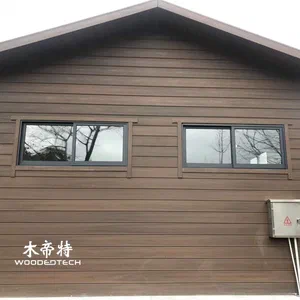 10 x 16 composite deck cost depends on design materials and installation requirements
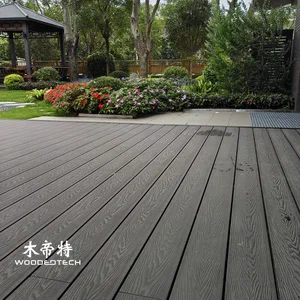 WPC Decking Materials for Strong Low Maintenance Outdoor Decking Solutions
 8x12 Composite Deck Design Ideas and Cost Guide
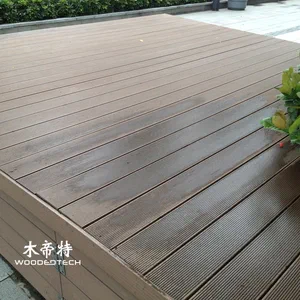 ground level composite deck provides a comfortable outdoor space with easy maintenance benefits
Related Products
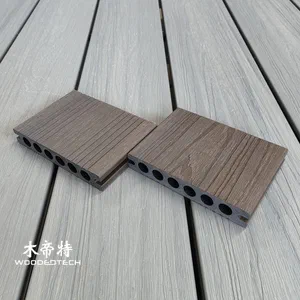 Purple Sandalwood GD13823-3 Co Extruded WPC Outdoor Decks with Round Holes Are Available in Stock in 3 Meter Lengths Year Round
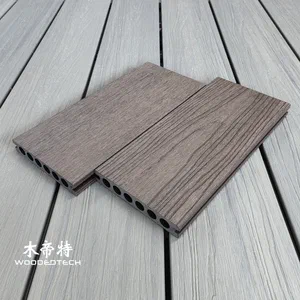 3DGD13823 Second Generation 3D Embossed Rosewood Composite Balcony Decking Delivers Ultra Realistic Wood Grain Texture and a Premium Natural Wood Experience
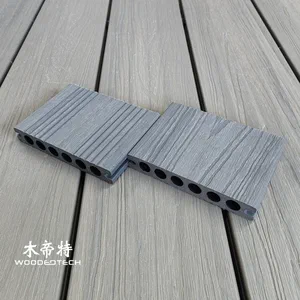 GD13823-3 Light Grey Premium Co Extrusion WPC Composite Decking Offers LG Texture and Excellent UV Resistance for Outdoor Spaces