Pros and Cons of WPC Flooring: The Complete Homeowner’s Review
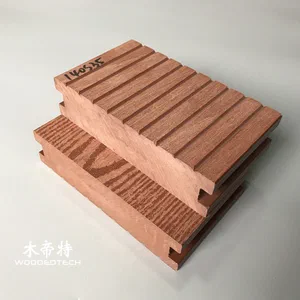
WPC flooring offers a practical middle ground between natural wood and fully synthetic surfaces. For homeowners and project buyers, it combines a wood-like appearance with better moisture resistance, easier upkeep, and more stable performance in busy indoor spaces.
What WPC Flooring Does Well
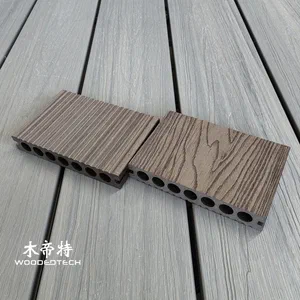
WPC, or wood plastic composite, is designed to handle everyday wear without the same sensitivity to spills and humidity as traditional timber. That makes it a strong option for kitchens, living areas, and light commercial interiors where appearance and maintenance both matter. It is also available in a wide range of finishes, so buyers can match different design standards without sacrificing consistency across large orders.
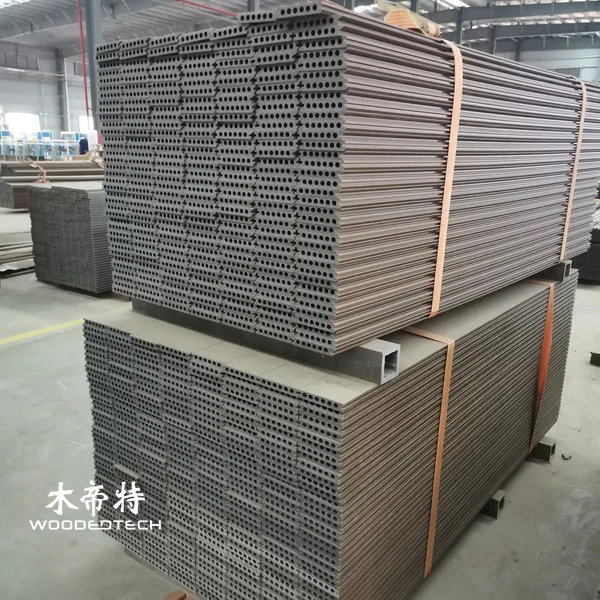
Another advantage is installation efficiency. Many WPC systems use click-lock or similar floating methods, which can reduce labor time compared with glued-down or nailed wood floors. For contractors and distributors, that can mean faster project turnover and fewer site issues caused by warped boards or uneven subfloors. In procurement terms, the predictability of supply and the repeatable product quality are also important commercial advantages.
Where the Trade-Offs Appear

Cost is another factor. WPC typically sits above basic laminate or low-end vinyl in price, especially once buyers factor in surface finish, wear layer quality, and backing density. For B2B buyers, the real question is not just unit cost but lifecycle value: how long the floor will last, how often it needs replacement, and whether the finish remains acceptable under sustained use.
How to Evaluate It for a Project
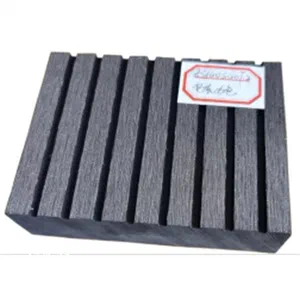
The best WPC flooring choices usually balance thickness, wear layer, core density, and surface texture. Buyers should ask for product test data, warranty terms, and installation guidance before placing bulk orders. For multi-site developments, color consistency and stock availability matter as much as technical performance.
WPC flooring works best when the specification is matched to the environment. A premium residential project, rental unit, or showroom may benefit from its realistic look and low maintenance, while industrial wet zones or heavy-duty facilities may need a different material entirely.
FAQ
Q: Is WPC flooring waterproof? A: It is highly moisture-resistant, but not all WPC flooring is fully waterproof under severe flooding or standing water. Always confirm the product rating before specifying it.
Q: Is WPC flooring better than laminate? A: WPC usually performs better in humid spaces and feels more stable underfoot. Laminate may still be the lower-cost choice for dry areas with lighter traffic.
Q: What should B2B buyers check before ordering? A: Review wear layer thickness, core density, warranty coverage, and installation method. Request samples to verify color, texture, and dimensional consistency.