
Pros and Cons Of Composite Decking Help Customers Understand Performance and Applications Before Choosing

Composite decking, or wood-plastic composite (WPC), combines the benefits of natural wood with advanced synthetic materials, making it a popular choice for outdoor spaces. This article compares WPC with other exterior materials such as natural wood, traditional timber, and aluminum, focusing on their advantages, disadvantages, maintenance needs, and lifecycle costs.
Advantages of Composite Decking
Composite decking offers several benefits that make it appealing for outdoor applications. Firstly, it is highly resistant to moisture, rot, and insects, which helps extend its lifespan compared to natural wood. Its surface is also designed to be slip-resistant, making it safer for areas prone to water exposure. Additionally, WPC does not require regular staining or sealing, which saves time and maintenance costs in the long run.
Disadvantages of Composite Decking
While composite decking has its advantages, it also comes with some drawbacks. One of the primary concerns is its initial cost, which can be higher than that of traditional timber. Some consumers also report that WPC can become hot under direct sunlight, making it uncomfortable for bare feet. Additionally, while many brands offer a variety of colors and textures, the aesthetic appeal may not fully replicate the warmth and natural grain of wood.

Maintenance Requirements
Maintenance for composite decking is relatively straightforward. Unlike natural wood, WPC does not need to be sanded, stained, or sealed regularly. A simple wash with soap and water is usually sufficient to keep it looking fresh. However, it is essential to remove debris like leaves or dirt to prevent mold and mildew buildup. In contrast, traditional timber requires regular upkeep, including refinishing to maintain its appearance and durability.
Lifecycle Costs
When considering lifecycle costs, composite decking often proves to be more economical over time. Although the upfront investment may be higher, the reduced maintenance and replacement needs can lead to lower total costs. Natural wood, while initially cheaper, may require more frequent repairs and replacements due to exposure to the elements. Aluminum, on the other hand, has a long lifespan and is low-maintenance, but its initial costs can be significant as well.
Comparison with Other Materials
- Natural Wood: Offers aesthetic appeal but requires high maintenance and has a shorter lifespan due to susceptibility to rot and insects.
- Traditional Timber: Similar to natural wood in maintenance needs and longevity, often needing refinishing and repairs.
- Aluminum: Highly durable and low-maintenance, but can be more expensive upfront and lacks the warmth of wood.
FAQ
Q: How does composite decking perform in extreme weather conditions?
A: Composite decking is designed to withstand various weather conditions, resisting warping and cracking better than natural wood.
Q: Is composite decking environmentally friendly?
A: Many composite decking products are made from recycled materials, making them a more sustainable choice compared to virgin timber.
Q: What is the lifespan of composite decking compared to wood?
A: Composite decking typically lasts 25-30 years, significantly longer than most natural wood options, which may need replacement every 10-15 years.
Related Articles
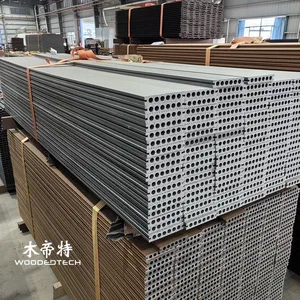 what is the best composite wood decking
 HDPE Composite Lumber Offers Strong and Durable Material Solutions for Outdoor Construction Projects
 What Is The Best Composite Deck Material for Durable and Beautiful Outdoor Flooring Applications
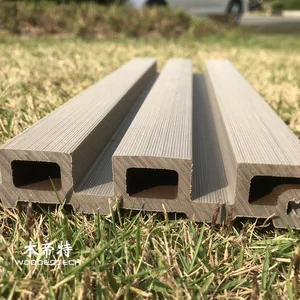 plastic wood flooring price depends on material quality design options and project requirements
Related Products
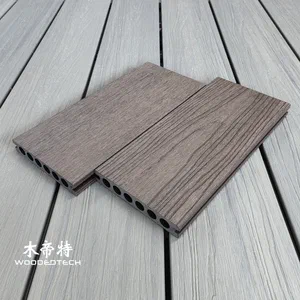 3DGD13823 Second Generation 3D Embossed Rosewood Composite Balcony Decking Delivers Ultra Realistic Wood Grain Texture and a Premium Natural Wood Experience
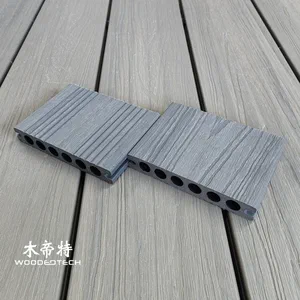 GD13823-3 Light Grey Premium Co Extrusion WPC Composite Decking Offers LG Texture and Excellent UV Resistance for Outdoor Spaces
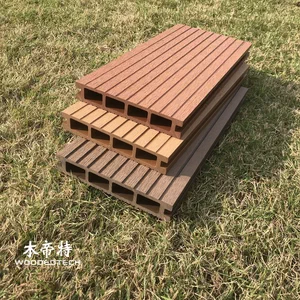 D14025-3 Square Hole Double Sided Grooved WPC Board Factory Producing Outdoor Decking Boards With Good Slip Resistance