
Prices For Composite Decking Material
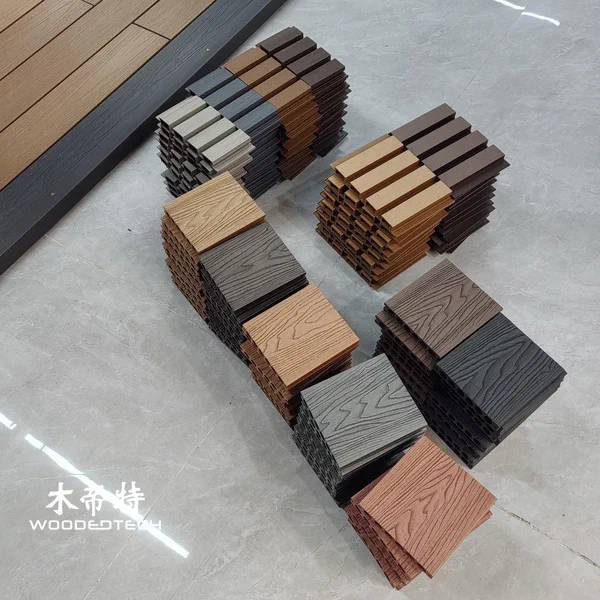
The quality and type of materials used in wood-plastic composite (WPC) products directly influence their durability, weather resistance, and overall performance. This article explores how wood powder, HDPE/PVC polymers, additives, pigments, and modifiers contribute to the properties of outdoor WPC products, while also outlining effective factory inspection methods and quality standards to ensure product excellence.
Material Composition and Its Impact

Wood Powder
Wood powder is a primary component in the formulation of WPCs, providing natural aesthetics and enhancing mechanical properties. The particle size and quality of the wood powder affect the composite’s density and strength. Finer particles can improve surface finish and reduce porosity, leading to better weather resistance. It’s essential to ensure that wood powder is free from contaminants, such as dirt or mold, as these can compromise durability.
HDPE/PVC Polymers
The choice between high-density polyethylene (HDPE) and polyvinyl chloride (PVC) significantly impacts the performance of WPC. HDPE is known for its excellent resistance to moisture and UV rays, making it ideal for outdoor applications. PVC, on the other hand, offers better impact resistance and stiffness. The ratio of wood powder to polymer also affects the composite’s flexibility and strength, necessitating precise formulation for optimal performance.
Additives
Various additives are utilized to enhance specific properties of WPCs, including UV stabilizers, anti-oxidants, and flame retardants. UV stabilizers protect the material from sun damage, helping to maintain color and structural integrity over time. Anti-oxidants prevent degradation from environmental exposure, while flame retardants improve safety in residential and commercial settings. Rigorous testing is required to ensure these additives are used in appropriate concentrations to achieve desired performance without compromising health and safety standards.
Pigments
Pigments are added to enhance the aesthetic appeal of WPC products. However, they also play a role in weather resistance. Lightfast pigments resist fading due to UV exposure, ensuring that the colors remain vibrant over time. The selection of high-quality pigments is vital, as inferior options can lead to discoloration and a decrease in perceived value. Consistency in pigmentation must be monitored during production to ensure uniformity across batches.
Modifiers
Modifiers such as coupling agents can improve the bonding between wood powder and polymers, enhancing the mechanical properties of the composite. This results in better strength and durability. The type and amount of modifier used can vary depending on the specific application of the WPC. It is crucial to evaluate their effectiveness through standardized testing methods to guarantee that the desired enhancements are achieved.
Inspection Methods and Quality Standards
To ensure that WPC products meet industry standards, a range of inspection methods should be employed throughout the manufacturing process.
Raw Material Inspection: Before production, incoming wood powder and polymers should be tested for moisture content, particle size distribution, and purity. This helps identify any quality issues before they affect the final product.
In-Process Monitoring: During production, parameters such as temperature, pressure, and mixing times must be closely monitored. Regular checks can prevent inconsistencies that lead to defects.
Mechanical Testing: Finished products should undergo mechanical testing for tensile strength, flexural strength, and impact resistance. These tests help assess the durability and performance characteristics of the WPC.
Weathering Tests: Accelerated weathering tests simulate environmental conditions to evaluate the performance of WPCs under UV exposure, moisture, and temperature variations. This ensures that the products will withstand outdoor conditions over time.
Aesthetic Evaluation: Visual inspections for color consistency, surface finish, and overall appearance are essential to meet consumer expectations. Any deviations from the established standards should be addressed promptly.
Adhering to these rigorous quality control measures ensures that WPC products not only meet but exceed industry benchmarks, delivering durable, weather-resistant solutions for outdoor applications.
Related Articles
 Essential Buying Criteria for Decking Composite Boards: A 2023 Guide for Businesses
 Essential Considerations for Choosing Composite Deck Railing Posts in 2023
 Optimizing Composite Decking Layout: Best Practices for Industrial Applications in 2023
 Plastic Wood Deck Floor Offers Low Maintenance And Natural Looking Outdoor Flooring Performance
Related Products
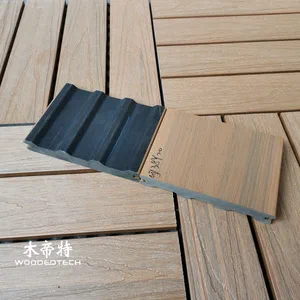 GD13820 M Shape Co Extruded Composite Deck Planks Feature a Special Profile Design for Distinctive Outdoor Decking Applications
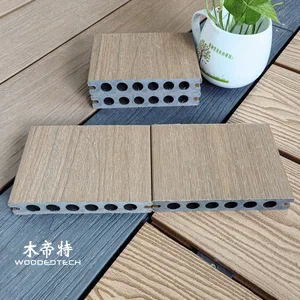 GD13823 Double Sided Flat Surface Co Extruded WPC Decking Features a Popular Width and Thickness with Round Hollow Structure
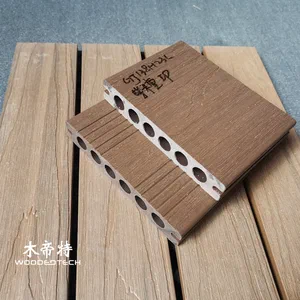 GD13823-3 Composite Boards for Decking Are Available in Multiple Stock Colors with 3 Meter Lengths and Single Piece Delivery