Price of WPC Decking Floor: Complete Cost Guide for Wholesale Buyers
The price of WPC decking floor depends on material grade, surface treatment, board structure, and order volume. For wholesale buyers, the real cost is not just the unit price but the full landed cost, including accessories, freight, and installation efficiency. Understanding these factors helps you compare suppliers on value, not just on the lowest quote.
What Drives WPC Decking Floor Price
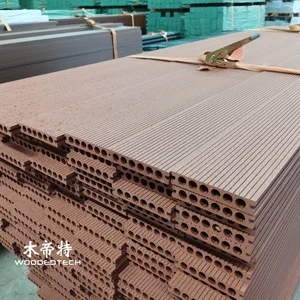
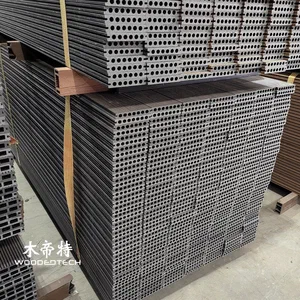
WPC decking floor is usually priced by board type and project specification. Hollow boards are generally more economical, while solid boards and capped surfaces cost more because they offer better strength, stain resistance, and weather performance. Embossed finishes, deeper wood grain, and co-extrusion technology can also raise the price, but they often improve long-term marketability.
Raw material mix matters as well. A higher wood-fiber content may reduce cost, while more polymer resin can improve durability and stability. Additives for UV resistance, anti-slip performance, and color retention also influence pricing, especially for outdoor projects where appearance and service life are critical.
Wholesale Cost Ranges and Buying Strategy

Typical wholesale buyers compare:
- Board profile: hollow, solid, or capped
- Surface finish: brushed, grooved, or embossed
- Length and width: standard or custom
- Order size: sample, pallet, or full container
- Incoterms: EXW, FOB, or CIF
If you are sourcing for a distributor, contractor, or private-label program, consistency is often more important than the absolute lowest price. A stable supply of matching colors, accessories, and replacement stock can reduce project risk and improve customer satisfaction.
How to Evaluate Supplier Quotes
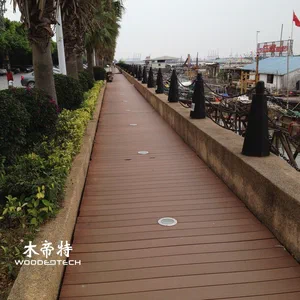
A useful quote should include density, wear layer details, tolerance, warranty, and available color options. Ask for test data on slip resistance, water absorption, and fade resistance if the decking will be used in commercial or coastal environments. These details help you judge whether the quoted price reflects real product quality.
It is also smart to compare installation costs. Many WPC decking floor systems use clips and joists that can speed up labor, reduce waste, and lower total project cost. A slightly higher board price can still win on overall economics if the system installs faster and lasts longer.
Buying Advice for Importers
When negotiating with a WPC factory, focus on repeatability, lead time, and packaging quality. For wholesale supply, a stable manufacturing process and clear specification control are worth more than a short-term discount. Request samples, confirm color consistency, and lock in technical details before placing a bulk order.
FAQ
Q: What is the main factor affecting WPC decking floor price? A: Material structure is the biggest driver, especially whether the board is hollow, solid, or capped. Surface treatment and order volume also have a major impact.
Q: Is cheaper WPC decking always better for wholesale buyers? A: Not usually. Lower-priced boards may save money upfront but can cost more in claims, replacements, and project delays if quality is unstable.
Q: How can buyers reduce total purchasing cost? A: Buy in larger volumes, standardize board sizes, and compare full landed costs instead of only unit prices. Factory-direct sourcing usually offers the strongest overall value.