
Premium WPC Decking Colors: Vibrant and UV-Resistant Options
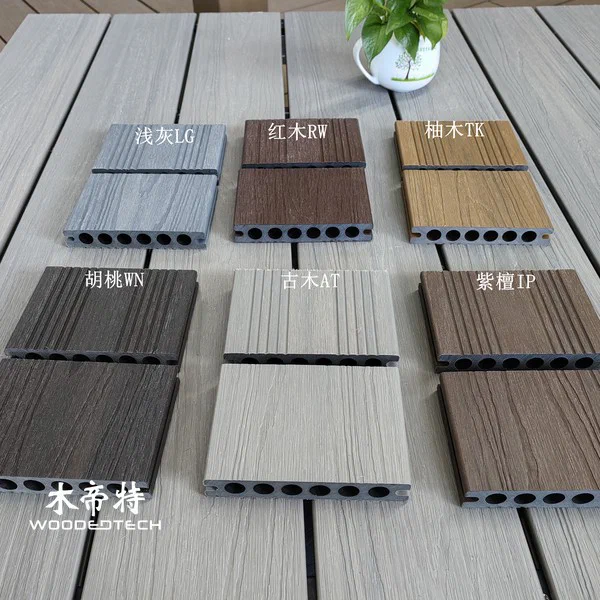
Premium WPC decking colors help buyers balance visual impact, brand consistency, and long-term performance. For commercial projects, the right color range also supports UV resistance, lower maintenance, and reliable outdoor appearance across seasons.
Why color matters in B2B decking projects
In wholesale and project supply, color is not just a design choice. It affects product positioning, site coordination, and customer satisfaction after installation. A well-planned palette can match modern architectural styles, hospitality spaces, retail exteriors, and public walkways without the fading and patchy aging common in untreated materials.
WPC decking colors are typically developed to reproduce natural wood tones while offering more consistency across batches. Popular shades include teak, walnut, coffee, grey, and charcoal, plus custom tones for brand-specific projects. For distributors and contractors, this makes it easier to meet varied market demand while keeping inventory practical.
UV resistance and surface stability
UV-resistant WPC decking is designed to hold color better under strong sunlight. Instead of relying only on surface paint, quality boards use co-extrusion or capped layers that protect the core and reduce color loss. This is especially important for resorts, rooftops, pool decks, and commercial terraces where exposure is constant.

- UV testing standards
- Fade resistance ratings
- Surface treatment type
- Color consistency between production runs
- Performance in hot and humid climates
A good UV-resistant finish does more than preserve appearance. It also helps the deck look cleaner for longer, reducing complaints from end users and lowering replacement pressure for contractors and resellers.
Choosing colors for commercial supply
The best color range depends on the target market. Warm wood tones often work well for residential export projects and hospitality venues, while grey and dark finishes suit contemporary architecture, public spaces, and high-traffic commercial settings. Neutral options are usually safer for bulk orders because they appeal to a broader customer base.
For B2B buyers, it is smart to request physical samples before placing large orders. Lighting, texture, and grain pattern can change how a color appears in real projects. If you supply multiple regions, confirming color stability under local weather conditions is also essential.
Partnering with the right manufacturer
A reliable WPC decking supplier should offer more than a standard catalog. Look for stable color formulations, OEM/ODM support, and clear technical data for outdoor use. The ability to match custom colors, maintain production consistency, and provide export-ready packaging can make a major difference in project delivery.
High-quality WPC decking colors are a commercial advantage when they combine attractive appearance with long-term weather resistance. That is what buyers expect from a product line built for outdoor performance and repeat business.
FAQ
Q: Which WPC decking colors are most popular for export markets? A: Teak, walnut, grey, and charcoal are the most common choices because they suit a wide range of project styles. Neutral shades also help distributors reduce inventory risk.
Q: How does UV resistance affect WPC decking color? A: UV resistance slows fading and helps the surface keep its original tone longer under direct sunlight. This is important for outdoor commercial projects with heavy exposure.
Q: Can WPC decking colors be customized for OEM orders? A: Yes, many manufacturers offer custom colors for large or recurring orders. Buyers should confirm minimum order quantities and color matching requirements in advance.
Related Articles
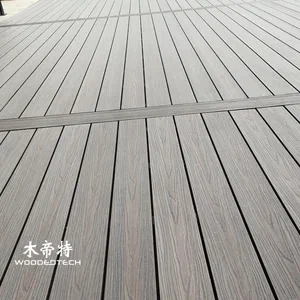
Related Products
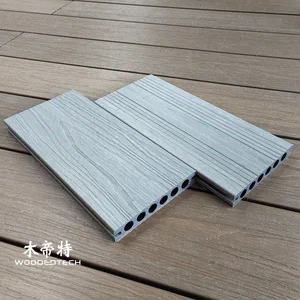 Antique Wood GD13823-3 Co Extruded Composite Wood Decking Boards with Round Holes Are Available in Stock in 3 Meter Lengths Year Round
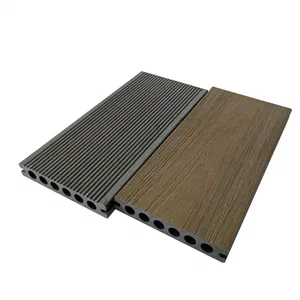 GD14023 Composite Decking Versus Wood Decking Features a Round Hole Structure with Semi Capped Co Extrusion
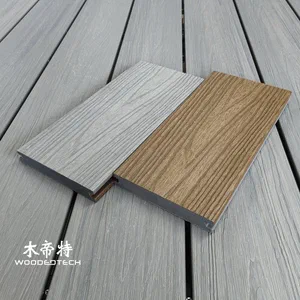 Second Generation Two Color Co Extruded 3D Embossed 3DGD14023S Composite Wood Deck Boards Feature an Extremely Realistic Antique Wood and Teak Grain Texture